
In brief
In La Guajira, Colombia, the installation of wind farms heralds a green energy shift, but the Wayuu indigenous community faces environmental, cultural, and social dilemmas as they navigate the impacts of these developments on their sacred lands and traditions.
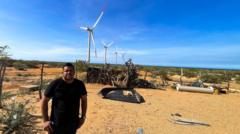
As José Luis Iguarán steps outside his home in La Guajira, Colombia, he is confronted by the striking sight of wind turbines reaching toward the Caribbean Sea. The Wayuu indigenous community, to which he belongs, has inhabited this region for centuries, engaging in traditional practices like goat herding and fishing. Colombia’s efforts to transition from fossil fuels to renewable energy have made La Guajira the focal point of this shift. However, this ambition comes with cultural and environmental challenges that divide local opinions."I wake up, and it's no longer trees I see, but turbines," expresses Mr. Iguarán. His community shares the landscape with Guajira 1, one of the nation’s operational wind farms. While the wind farms symbolize progress, they also disturb the Wayuu’s sacred connection to dreams—believed to connect them to their ancestors. Despite these grievances, the local community acknowledges benefits brought by wind projects, such as improved infrastructure and access to clean drinking water thanks to the energy company Isagen.But not everyone shares the enthusiasm. Aaron Laguna, a Wayuu fisherman from Cabo de la Vela, articulates how this green venture creates rifts within the community due to insufficient transparency and poor compensation mechanisms. Many community members feel minimally consulted and underserved by the energy companies, reflecting a broader pattern of mismanaged agreements and dissatisfaction.Joanna Barney, a director at a Colombian think tank, underscores the inadequacy of legal frameworks to assess the true impact of these energy projects—both environmental and social. Tensions escalated when Spanish company EDP Renováveis abandoned plans for two wind farms, attributing the decision to rising demands for compensation from affected communities.As development persists, locals have protested, using roadblocks to voice their concerns. Reports from the think tank indicate heightened conflict, with cases of violence surfacing among differing community opinions on the projects.“The disconnect is glaring,” remarks anthropologist Wieldler Guerra, pointing to the opposing worldviews about the wind. In Wayuu culture, the winds are cherished as living entities, while companies view them purely as a resource for profit-driven energy production. Despite nearly two-thirds of Colombia's electricity coming from hydroelectric sources, wind energy contributes a mere 0.1%.Energy firms like AES Colombia are wary of potential conflicts but maintain that genuine community dialogue and equitable compensation are vital. While they pledge to enhance facilities and services for the locals, the pressing issue remains that communities like Laguna's still lack access to the very electricity produced in their backyards.The paradox lies in the fact that while clean energy projects may symbolize progress, many Wayuu remain concerned about remaining largely disconnected from its benefits. As they continue to gather water from local reservoirs and face healthcare and educational shortcomings, the promise of renewal may still leave them in the shadows.

