In brief
Hong Kong, once a bastion of pro-democracy activism, witnesses the fading spirit of resistance following a decade of protests. As many dissenters face jail time and surveillance increases, former activists reflect on their lost freedoms and the city's evolving identity, while emphasizing their enduring memories of a freer Hong Kong.
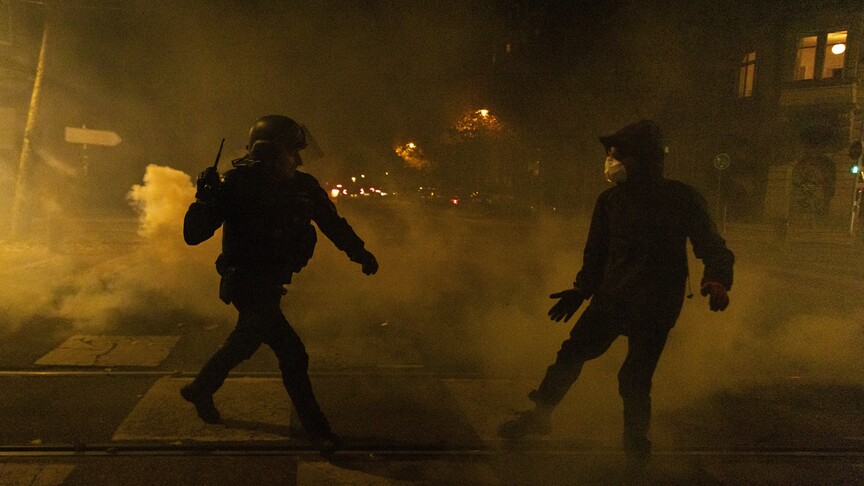
Kenneth walks through Hong Kong's Victoria Park, a once-vibrant site of pro-democracy protests that shaped the city's recent history. Childhood memories flood back, from purchasing calligraphy posters during the Lunar New Year fair to participating in vigils for the Tiananmen Square massacre. But with protests now silenced and activists imprisoned, the character of his city feels as if it's vanishing.Outwardly, Hong Kong retains its bustling vibrancy, yet the reality diverges sharply. Signs of change, such as skyscrapers flaunting patriotic messages and the prevalence of Mandarin over Cantonese, reveal the city’s drift from its historical roots. In the last decade, hundreds of thousands joined protests amidst rising tensions with Beijing since 2014, with hopes of democracy growing fragile under the weight of a stringent national security law that has led to mass arrests and self-imposed exile for many activists.When Britain handed Hong Kong over to China in 1997, it was promised a unique status that included the preservation of freedoms. Nevertheless, as Beijing consolidated its influence, discontent among the pro-democracy contingent surged. The pivotal Occupy Central movement in 2014 and subsequent protests in 2019 highlighted growing demands for democratic reforms, clashing starkly with Beijing’s tightening grip.Activists such as Benny Tai and Joshua Wong emerged during this turbulent time, igniting a fervent quest for change that has now been met with formidable suppression. Reports indicate that many of these leaders now find themselves incarcerated under accusations of subversion, while others, like Chan Kin-man, now reside in exile, lamenting the loss of their city’s freedom.Despite the grim reality, activists remain determined to fight the narrative of defeat. Kenneth insists that the essence of Hong Kong persists, even as he navigates a landscape where expressions of dissent are fraught with risk. He illustrates this stark reality by recalling a day when he choked on tear gas during protests, symbolizing the dangers faced by those who dared to challenge authority.On the other side of the world, former resident Kasumi Law reflects on her decision to leave Hong Kong due to the escalating unease as Beijing's control tightened. Settling in the UK, she battles homesickness yet strives to instill a strong sense of identity in her daughter, emphasizing their Cantonese heritage. The struggle between nostalgia for the past and adapting to a new life permeates her thoughts as she ponders their future trips back to a home that feels increasingly alien.Despite the ongoing oppression, those who remember the spirit of the protests continue to confront the narrative that speaks of a "dead" Hong Kong. Kenneth's secret collection of protest memorabilia and Kasumi’s commitment to nurturing her cultural roots are testaments to the resilience of those who cherish the defiant memory of their city’s fight for freedom. They refuse to believe that the past is truly erased; as Kenneth puts it, "Forgetting the past is a form of betrayal."