
In brief
Trudeau’s visit aims to strengthen Canada-US relations as both countries seek to negotiate trade terms and avoid economic repercussions from tariff threats.
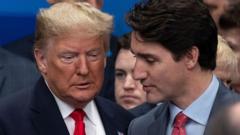
Canadian Prime Minister Justin Trudeau has landed in Palm Beach, Florida, for a crucial meeting with President-elect Donald Trump, as tensions arise over Trump's announcement of a potential 25% tariff on Canadian imports. The meeting, confirmed by a source to the BBC, marks a concerted effort by Canada to mitigate the economic impact of these proposed tariffs, which could threaten numerous jobs and businesses across both nations.Trudeau arrived at Palm Beach International Airport on Friday and is reportedly the first leader from the G7 to visit Trump since the election. The two leaders previously discussed trade issues over the phone earlier in the week, following Trump's announcement that he would impose tariffs on all goods entering the United States from Canada and Mexico when he takes office in January.While neither Trudeau's office nor Trump's team has publicly commented on this visit, it is anticipated that the two leaders will discuss key trade negotiations over dinner. This trip was not outlined in Trudeau's official schedule, indicating the urgency of the situation. Trump's transition team has been strategizing at Mar-a-Lago, and this meeting serves as a continuation of their complicated relationship that included past renegotiations of significant trade agreements.At a public event in Prince Edward Island before his trip, Trudeau expressed optimism that a constructive dialogue could help both nations create jobs and bolster their economies. He remains focused on illustrating how the tariffs would not only adversely affect Canadians but also drive up prices for American consumers.Accompanying Trudeau is Dominic LeBlanc, the minister responsible for border security. During the dinner, they are expected to be joined by Trump's commerce nominee, Howard Lutnick, and other key advisors. Trudeau has conducted an emergency meeting with Canadian provincial leaders to present a unified "Team Canada" front against the proposed tariff changes, emphasizing the potential devastating effects on vital sectors such as oil, gas, and automotive industries.In a broader context, the visit highlights the ongoing discussions surrounding border security and trade partnerships as Canada strives to maintain its significant economic ties with the US, which accounts for approximately 75% of its exports. Recent statistics reveal the stark contrast in border activity between Canada and Mexico, with far fewer crossings noted at the Canadian border compared to its southern counterpart, indicating differing regional dynamics.As Trudeau and Trump engage in dialogue, the stakes remain high for both nations, with Canadian officials advocating for a collaborative approach to address border security while also pushing back against tariff threats. The outcome of these discussions could lay the foundation for the future economic relationship between Canada and the United States.
