
In brief
Sri Lanka's snap parliamentary elections present significant challenges for the newly elected leadership as citizens face persistent economic difficulties stemmed from recent crises.
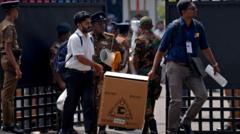
On Thursday, Sri Lankan citizens will once again exercise their democratic right to vote in snap parliamentary elections that follow closely behind the election of a new president just seven weeks prior. With 17.1 million voters eligible, the election features more than 8,800 candidates representing various political parties and independent groups. Voting will kick off at 07:00 local time (01:30 GMT) and wrap up by 16:00 (10:30 GMT), with vote counting commencing that evening, and results anticipated on Friday. A total of 225 seats are up for grabs in parliament, of which 196 will be directly elected while the remaining seats will be nominated by political parties according to the proportional representation system.Despite the abundance of candidates, only around 1,000 have engaged in active campaigning, according to Rohana Hettiarachchi, the executive director of a local poll monitoring organization. A high inflation rate, alongside food and fuel shortages, has exacerbated the political challenges since 2022 that led to the ousting of former President Gotabaya Rajapaksa. His successor, Ranil Wickremesinghe, successfully negotiated a $3 billion bailout package with the International Monetary Fund, yet many Sri Lankans still experience significant economic hardship.Reports indicate that around 25.9% of the population lives below the poverty line, with the World Bank estimating only a 2.2% economic growth in 2024, highlighting the enduring consequences of last year's financial crisis. Citizens, like 26-year-old garment factory worker Manjula Devi, voice ongoing struggles over daily necessities.Experts analyze that the upcoming elections hold uncertainties for President Anura Kumara Dissanayake’s party, Janatha Vimukthi Peramuna, as observers predict a competitive environment that may impede the administration's ability to implement substantial reforms. Raisa Wickrematunge, a deputy editor at Himal Southasian magazine, mentions that achieving a two-thirds majority could prove challenging without reliance on coalition support.Fortunately, the election campaign has maintained a peaceful atmosphere, marked by minimal incidents of violence or misuse of resources. "It will be peaceful elections," Hettiarachchi emphasizes as optimism remains for a smooth voting process amid the prevailing crises that the nation continues to face.

