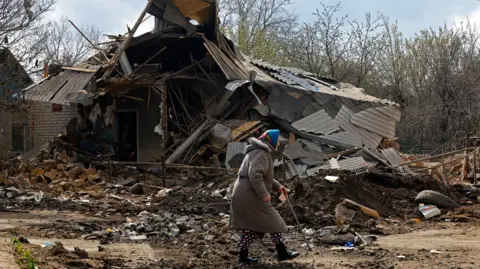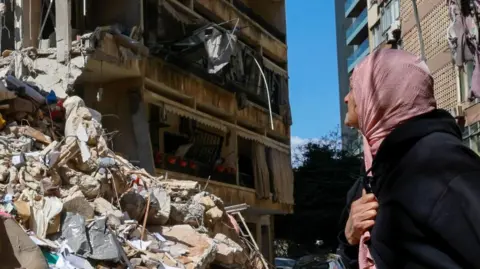
The Sudan National Museum, once a beacon of cultural pride, has been ravaged by the ongoing conflict in the country. Statues of magnificent rams and lions, symbols of ancient Nubian civilizations, have been replaced by the remnants of destruction, while exquisite wall paintings stand damaged beyond repair. Prior to the war that erupted two years ago, the museum was a vibrant hub for locals and tourists, rich in historical significance and artistic beauty.
As the Sudanese military regains control over the capital, Khartoum, the extent of the museum's devastation has come into sharp focus. Reports indicate that tens of thousands of artifacts have either been lost to looting or illegally trafficked, particularly during the period the rival Rapid Support Forces (RSF) retained control of the city. "They destroyed our identity and our history," lamented Ikhlas Abdel Latif Ahmed, the director of museums at the National Corporation for Antiquities and Museums, highlighting the significant cultural loss.
Once an architectural gem nestled close to the Presidential Palace, the museum served as a testament to Sudan’s rich civilizations that thrived over millennia. Now, following an inspection, officials found shattered glass, bullet casings strewn across the floor, and indications that looters had ransacked the premises. "The militia took so many of the unique collections and destroyed and damaged the rest," Ahmed explained.
UNESCO has echoed fears regarding the threat to Sudan’s cultural identity, urging global art dealers to refrain from engaging with smuggled artifacts. Many treasures were already boxed due to rehabilitation efforts prior to the war, potentially enabling easier removal during the chaos. While officials suspect that precious items, including gold artifacts dating back to the 5th Century BC, may have been transported to the United Arab Emirates for sale, concrete evidence remains elusive.
The Sudanese government vows to engage with international agencies, including Interpol and UNESCO, in hopes of recovering looted artifacts. However, the task appears daunting amid the prevailing violence. Experts say the attacks on museums and cultural properties are not merely acts of criminality; they signify a calculated effort to dismantle Sudan's historic identity.
Amgad Farid, an analyst, condemned the RSF's actions as malicious, asserting that this destruction aims to sever the connection between Sudan's people and their rich cultural past. "This loss is not incidental; it is a calculated endeavor," he warned.
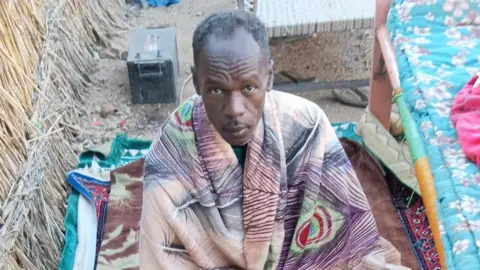
The ongoing conflict has also led to widespread suffering among civilians, with nearly 13 million displaced and an estimated 150,000 lives lost since the violence began. Ahmed reflects on the personal toll, including the loss of her own home and heritage, but retains hope for restoration. "Inshallah [God willing], we will see our collections returned and rebuild our institutions more beautifully than before," she concluded, embodying the resilient spirit of those fighting to preserve Sudan's rich history for future generations.