In brief
In the wake of a youth-led revolution in 2024 that ended Sheikh Hasina's longstanding rule, Bangladesh's political scene is witnessing a tension between the emergent National Citizen Party (NCP) and historical political powers like the Jamaat-e-Islami and the Bangladesh Nationalist Party (BNP). With allegations of sidelining women leaders and a ban on Hasina's Awami League, the election environment is fraught with challenges as younger voters seek to establish a politically accountable future.
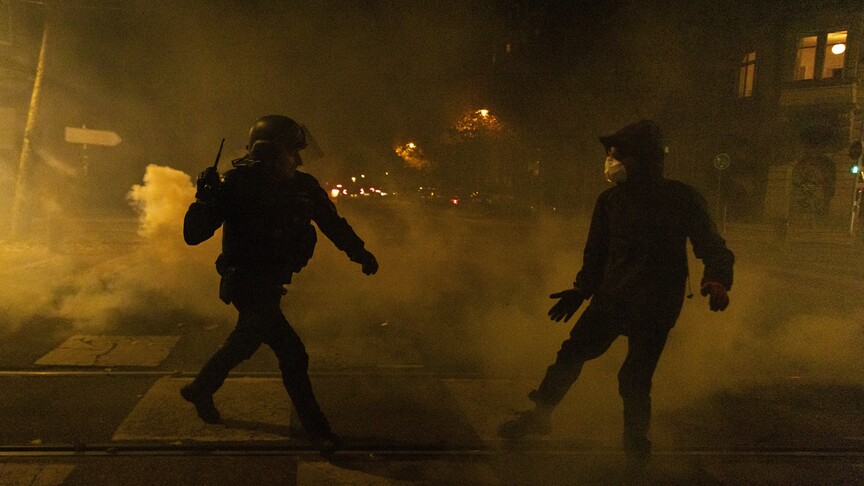
Rahat Hossain was almost killed trying to save his friend during a youth uprising that became one of the bloodiest episodes in Bangladesh's history. Footage of his attempt to rescue Emam Hasan Taim Bhuiyan, who had been shot by police, went viral during a revolution that toppled the country's leader. Violence on July 20, 2024, turned student-led protests into mass demonstrations, leading to the government’s ousting.The ensuing political landscape saw students hoping to capitalize on their success through the formation of the National Citizen Party (NCP). However, as the general elections approach, fissures in this new party and the sidelining of women in the movement seem to give weight to older, established parties like Jamaat-e-Islami.The NCP’s lack of faith among voters reflects the party’s inexperience against established political forces, as well as issues such as a lack of women candidates. Rahat Hossain now questions whether the new government will deliver on promises made during the uprising. The upcoming elections could determine if the sacrifices made during the protests will yield a reformist government that truly represents Bangladesh's youth.}