
In brief
A snow sheet slammed into the base camp of Himlung Himal, killing several climbers and leaving about a dozen missing. Two bodies have been recovered by rescuers, who are still combing the site amid heavy snowfall. The incident underscores the peril of climbing in Nepal’s rugged terrain, where recent weather has hampered rescue operations. The crisis comes against a backdrop of widespread flooding and avalanche threats across the region.
Rescuers have recovered two bodies from the site of an avalanche that struck a climbing group camping in the Nepalese part of the Himalayas.
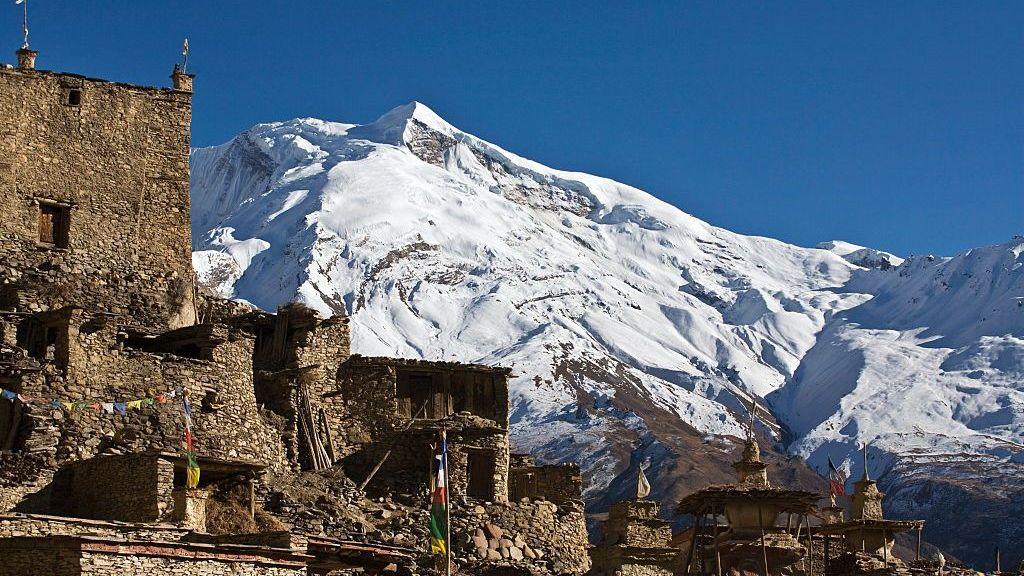
Around a dozen people are still thought to be missing after a sheet of snow fell on the base camp of Himlung Himal peak in Manang district on Sunday morning.
The group, composed of Nepalese nationals – climbers and support staff – had been sent ahead of foreign climbers to prepare the camp and fix ropes.
Recent forecasts showed heavy snowfall around the 7,126‑meter peak, which straddles Nepal’s border with Tibet, creating treacherous conditions.
Poor weather has hampered rescue efforts, with helicopters and ground teams unable to reach the site early on.
Bibhuti Chand Thakur, of Himalaya Holidays Trekking, told AFP that at least eight members of his expedition team had been reported missing, though the exact number of unaccounted‑for climbers remains unclear.
An experienced mountaineering rescue team was flown in from Kathmandu by helicopter, yet the operation is expected to continue on Monday as thick snow and bad weather persist.
The incident comes less than two months after six Nepali climbers lost their lives on Broad Peak in Pakistan, including renowned mountaineer Nirmal Purja.
It also is part of a broader pattern of natural disasters in the region, with more than 6,000 people still missing after a massive flood and landslide in August along the Nepal‑Tibet border.
In the wider Himalayan area, a glacial collapse sent vast amounts of water and debris down the Trishuli River valley, killing over 1,400 people in a single event.
Extreme weather has also struck neighbouring parts of Asia this week. In Uttar Pradesh, India, storms killed more than 50 people, while Bangkok has declared a flood emergency due to heavy rainfall.
A deadly typhoon that battered Tokyo triggered landslides in neighbouring prefectures, killing four people.
These series of events highlight the heightened risk of severe weather in the region, exacerbated by the super El Niño phenomenon that intensifies storms in the Pacific.
