Bombs, Drones and Fear: Zaporizhzhia Faces Unrelenting Attacks
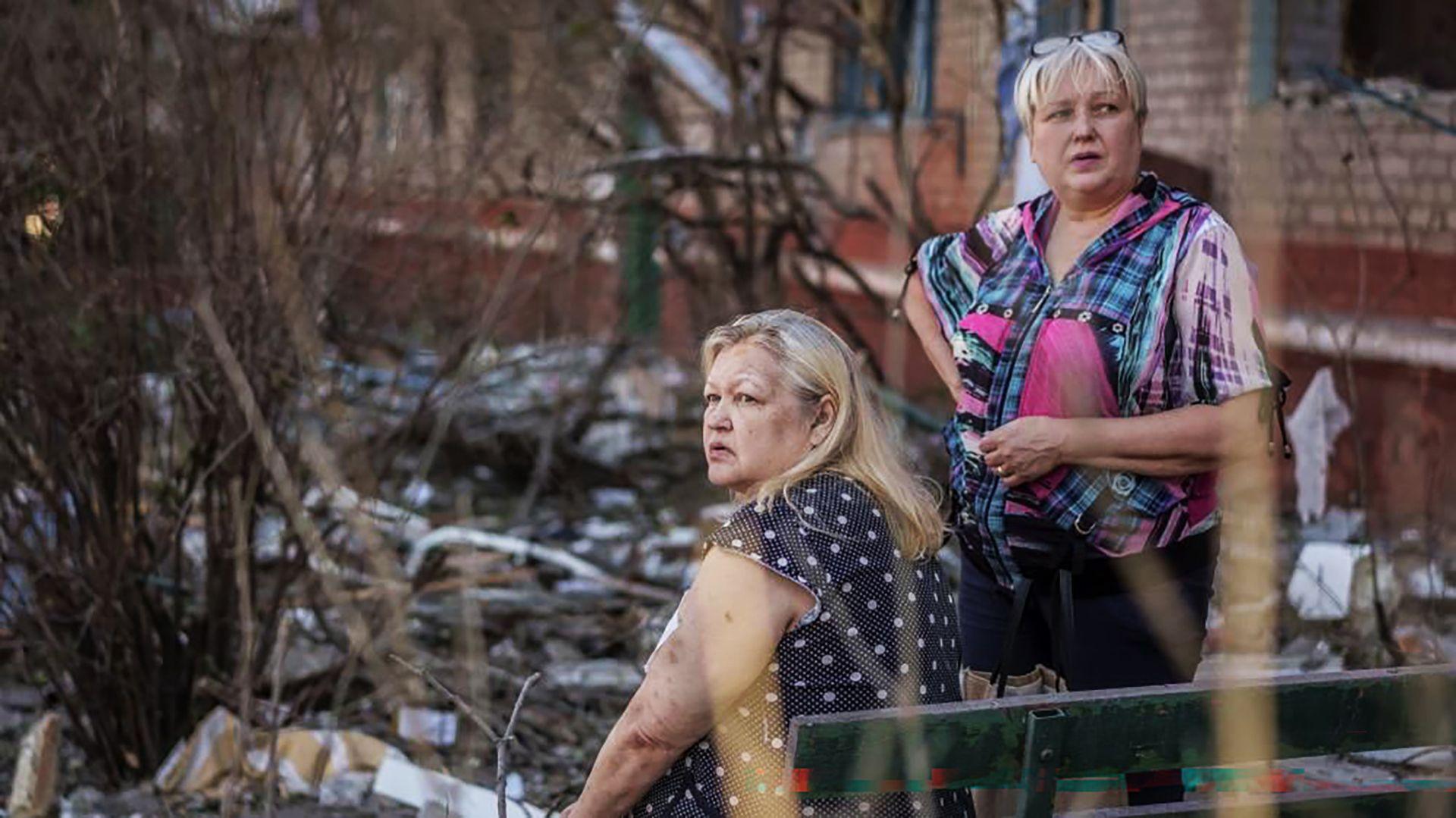
When the sunrise broke on 5:00 a.m., Anna Holovchenko of Zaporizhzhia heard glide‑bombs crash in the suburbs of her hometown. The city, a mere 24km from the front line, has seen security fall away dramatically in weeks. With a population of 750,000, everyday life is now cut short by war’s relentless pulse.
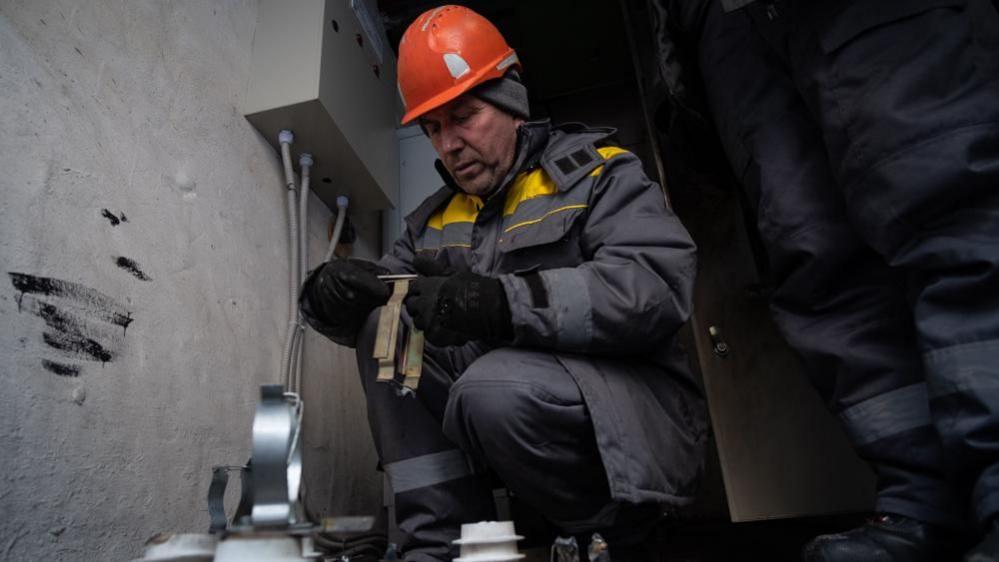
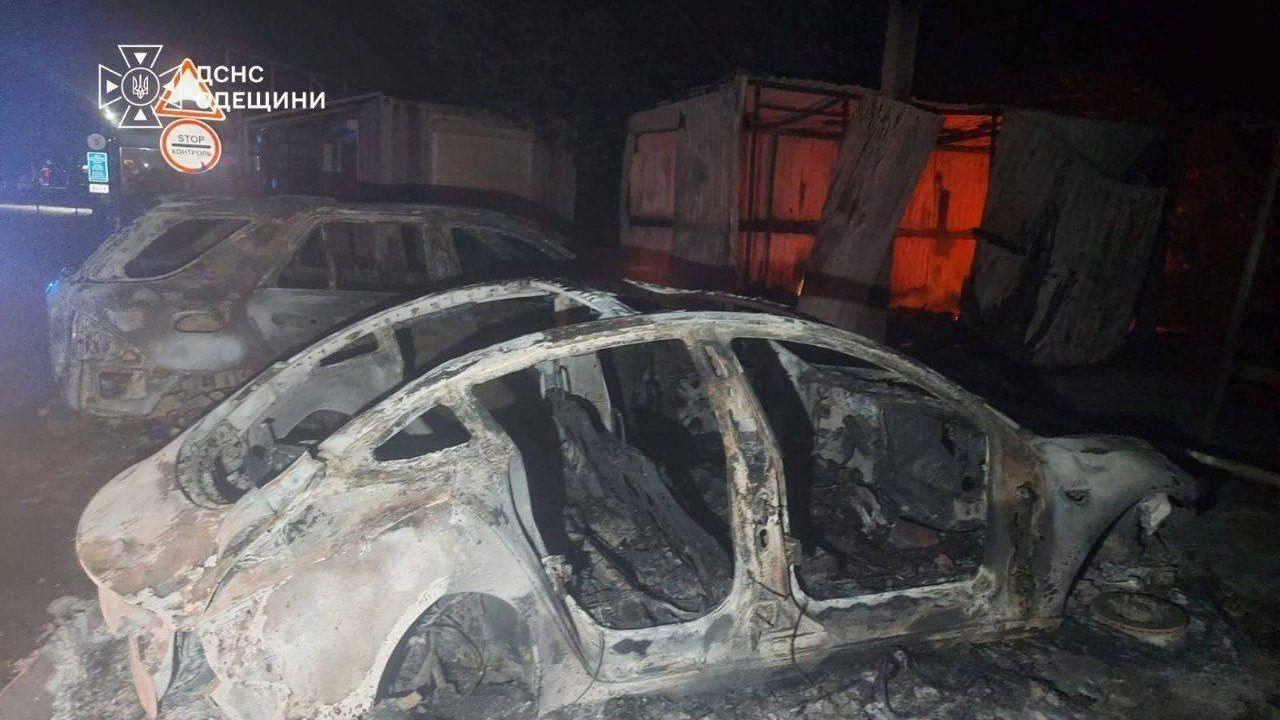
Soon after, drones hovered over Anna’s house in a second wave, and Ukrainian air defence attempted to intercept them. The attacks extended to buses, petrol stations, schools, government offices and residential towers, underscoring the wide‑spectrum reach of the assaults.
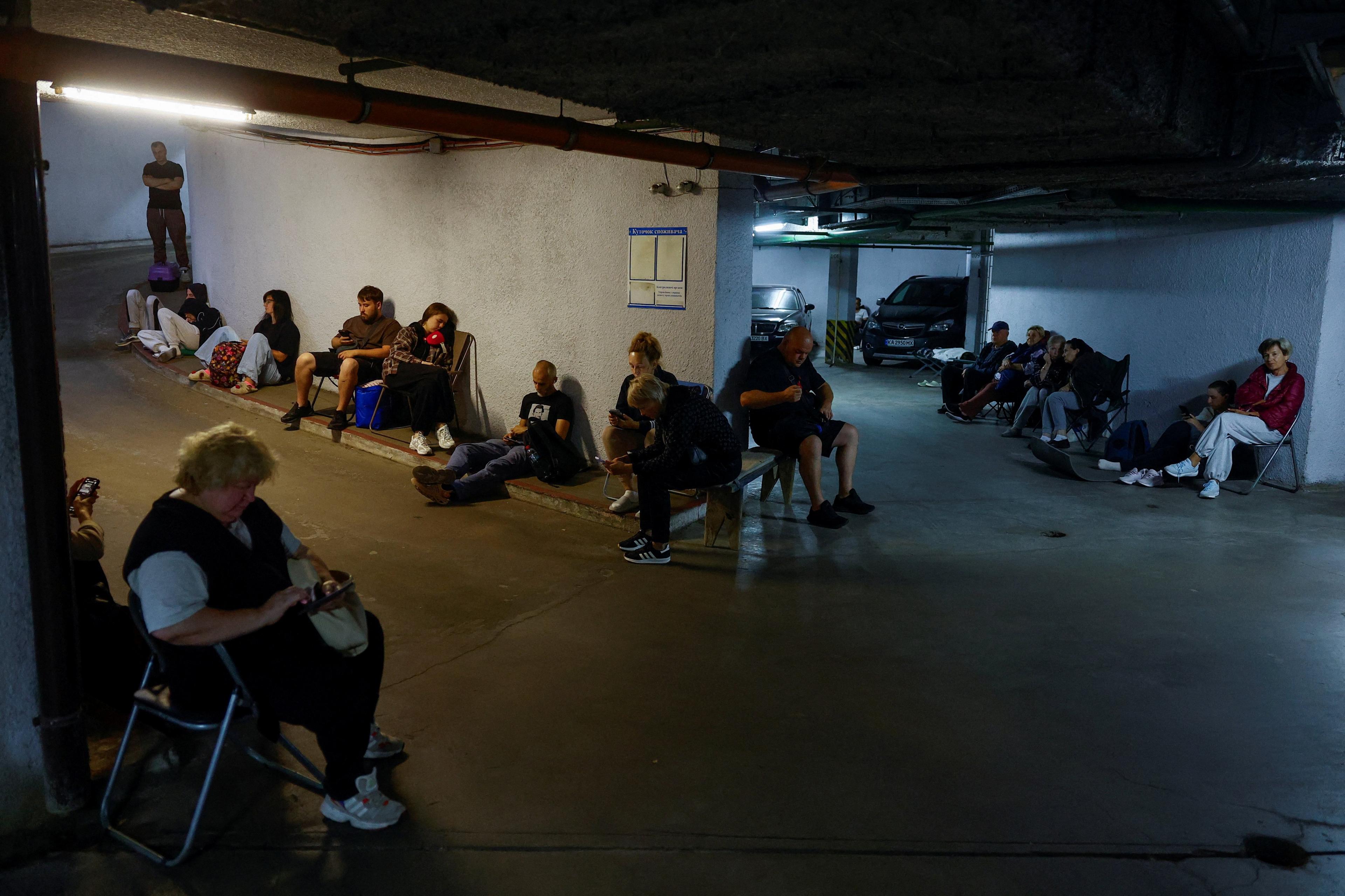
Acting mayor Regina Kharchenko admitted that her only refuge during a barrage was the toilet of a city building. She described a Shahed drone striking a cable, severing internet connectivity and a bus carrying civilians that exploded, claiming three lives.
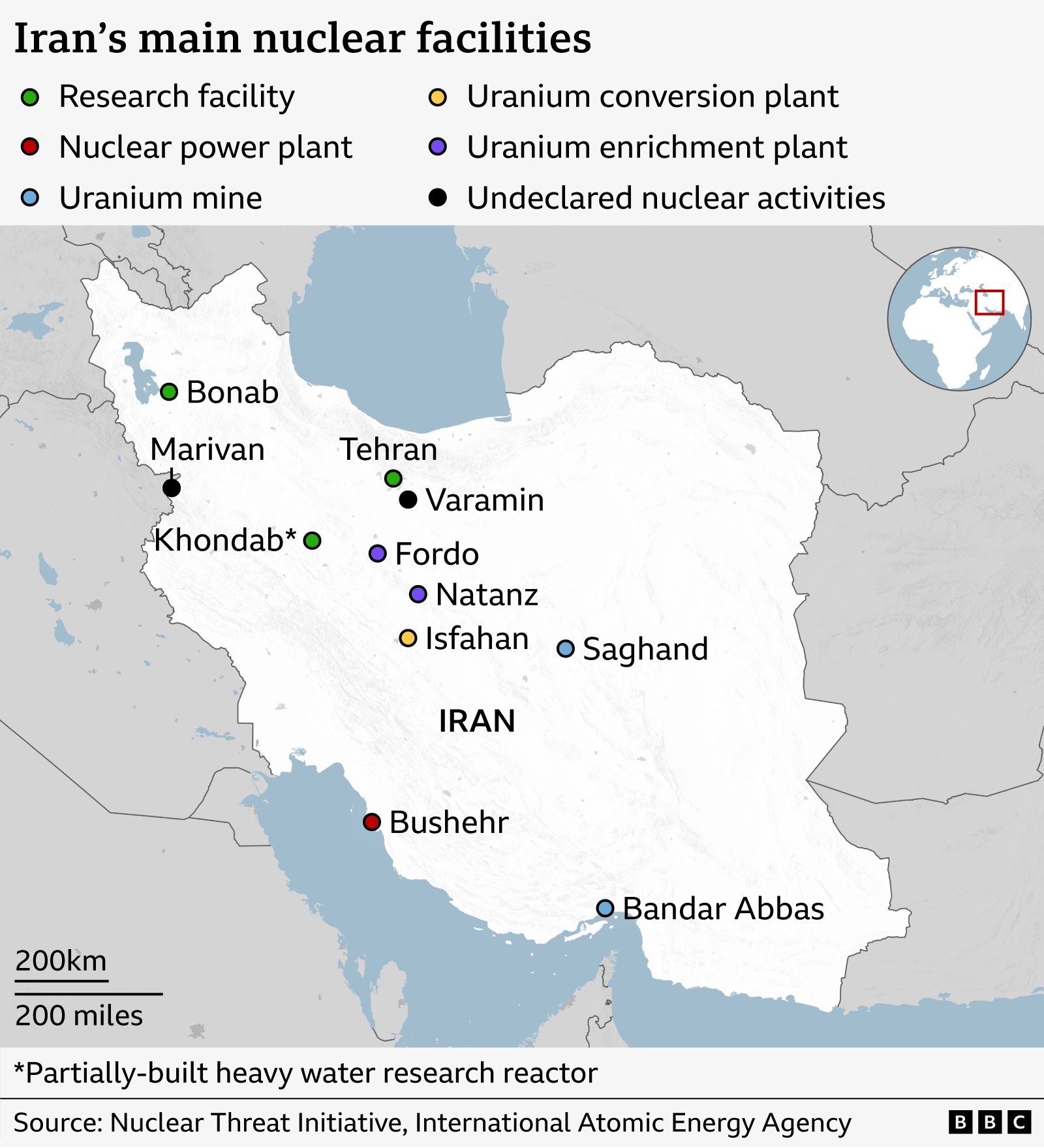
The north‑east region’s capital is noted for the Zaporizhzhia nuclear power plant, Europe's biggest, situated 50km southwest in occupation. As Ukrainian forces advance for a few kilometres, Russian strike tactics have shifted to small first‑person‑view drones, enabling attacks that once could not reach the city.
Experts point to Russian use of mothership drones that deploy smaller ones, coupled with mesh networking that resists jamming, expanding coverage. While the Ukrainian defence system intercepts hundreds of drones, the focus has moved elsewhere, contributing to heightened attacks in Zaporizhzhia.
Local authorities report interception of 884 drones in the week ending 30 June. Despite outflanking Russian troops, the city remains under threat, as fighters push gradually further south.
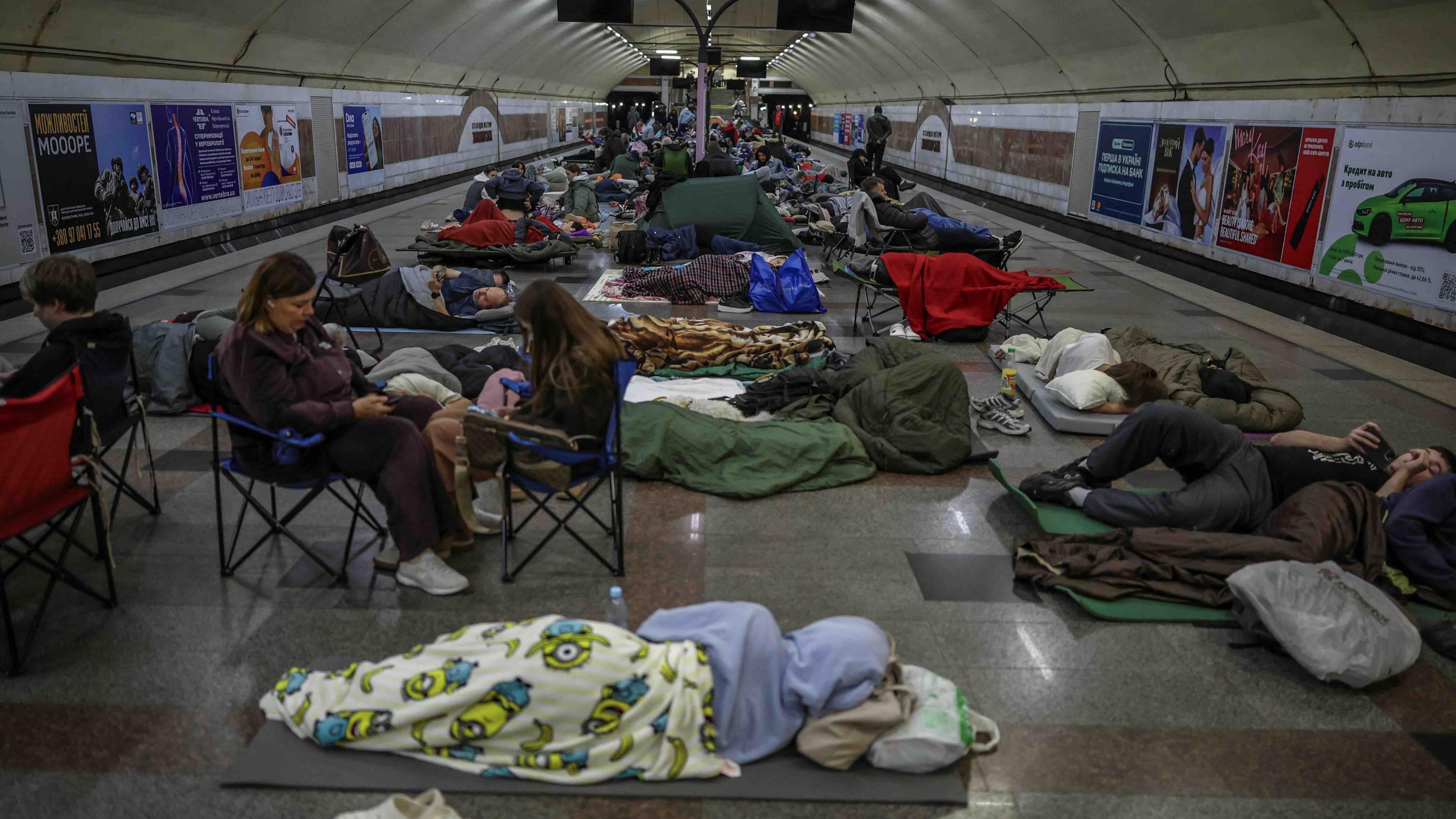
For the people of Zaporizhzhia, staying in the city is a trade‑off between hunger, safety and hope. Anna admits contemplation of leaving, yet she refuses to let the city fall to destruction. “We keep vigilant and survive until victory,” she states, demonstrating resilience amid sustained danger.
While espionage of Russian Electronic Warfare declines, Ukraine monitors within occupied territories continue to mount counter‑attacks, illuminating an ongoing front where home stands at risk yet holds sights on future stability.