In brief
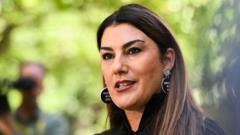
Thorpe, a prominent Indigenous activist, asserted that King Charles does not represent her or the land, invoking a dialogue on the historical injustices faced by First Nations people in Australia.
Lidia Thorpe, the outspoken senator representing Victoria, garnered attention once again when she openly heckled King Charles during his recent visit to Australia. The Gunnai, Gunditjmara, and Djab Wurrung woman, who has been serving in the Australian Senate since 2020, is recognized as the first Aboriginal senator from the state. Her controversial remarks echo her long-standing criticism of the British monarchy, particularly emphasizing the impact of colonialism on Indigenous communities.During an oath-taking ceremony last year, she referred to the late Queen as a colonizer, a statement that already positioned her at the crossroads of political debate. Thorpe’s latest intervention highlighted her discontent with colonial legacies, pointing out the devastating events that followed British settlement in Australia, including the mass killings of Indigenous peoples. After being escorted out of the Great Hall following her interruption of King Charles, Thorpe made her sentiments clear, stating, “He’s not the King of this country, he’s not my king, he’s not sovereign.” Her declaration ridiculed the notion of royal authority in Australia, questioning how the King could claim kingship over a land he has not contributed to directly. Thorpe emphasized the ongoing implications of colonization on First Nations people, citing the significant disparities in health, education, and life expectancy compared to non-Indigenous Australians. She asserted that the King has a responsibility to address past injustices and called for conversations about peace treaties and reparations for Indigenous Australians.While her views resonate with a significant segment of the Indigenous community, not all First Nations leaders share her perspective. Some, like Allira Davis of the Uluru Youth Dialogue, expressed a contrasting opinion, seeing the royal visit as less significant and stressing Australia's multi-cultural identity. Davis highlighted the need for active recognition and involvement of Indigenous voices in discussions about Australia's future.Despite diverging opinions within Indigenous communities, Thorpe’s commitment to her cause remains unwavering. She has recently transitioned to an independent role after departing from the Greens party over their support of the “Yes” vote in a referendum aimed at granting an Indigenous voice in Parliament. While she continues to advocate for a treaty with Indigenous Australians, Thorpe’s heckling is just one moment in a broader dialogue about reconciliation and the role of the monarchy in a post-colonial Australia.