
In brief
As Trump outlines his vision for the next administration, a significant focus on immigration enforcement and foreign policy emerges.
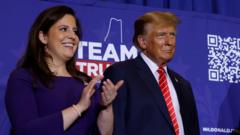
In a decisive move following his reelection, Donald Trump is shaping his administration with a series of key appointments, highlighting an emphasis on immigration and foreign policy. Eager to lay the groundwork for a second term, Trump has selected Congresswoman Elise Stefanik as the US ambassador to the United Nations, known for her prior criticism of China. A noticeable change from his initial term, Trump's approach now seems more structured and deliberate. Appointing Stephen Miller as White House deputy chief of staff for policy indicates a reinforcing of hardline immigration policies. Miller's historical influence guided some of the strictest immigration measures during Trump's first term. Furthermore, Thomas Homan returns as "immigration tsar," vowing to enforce one of the largest deportation efforts in US history, echoing Trump’s campaign promises. Homan asserts financial considerations take a back seat when dealing with crime and drug-related issues related to undocumented immigrants. In the realm of foreign policy, Trump is surrounding himself with officials who take a tough stance against China. Appointees like Congressman Mike Waltz, who views the US's relationship with China as a "cold war," and the vocal Stefanik reflect a bipartisan momentum against what is perceived as China's threat to US interests. Speculation surrounds Florida Senator Marco Rubio as a potential Secretary of State, well-known for his past sanctions against China during tumultuous events in Hong Kong. Trump’s administration looks poised to continue a combative stance towards China, suggesting little change from previous policies.Elon Musk, long established in tech and business circles, is also entering the fray—assigned to a "department of government efficiency." His involvement raises eyebrows as speculation grows around his influence in cabinet choices and potential budget revisions. Meanwhile, other figures such as Robert F. Kennedy Jr. are likely to play significant roles, especially in promoting health initiatives, further illustrating Trump’s strategy of leveraging high-profile supporters.Remarkably, as Republicans hold a majority in the Senate, Trump appears more focused on unilateral power than collaboration. His recent suggestion for increased recess appointments signals a desire to bypass traditional legislative hurdles, potentially challenging Congress's constitutional role. This approach hints at a prioritization of executive power over bipartisan governance, perhaps aiming to sidestep contentious negotiations.As appointments continue to materialize, Trump’s knack for distancing himself from traditional GOP alliances is evident, favoring loyal supporters with proven track records in his administration. Figures like South Dakota Governor Kristi Noem have become key players, reflecting Trump's inclination to solidify his base rather than appease moderates. In conclusion, while Trump’s appointees underscore a dedication to federal authority and an aggressive immigration strategy, the future dynamics of his administration and Congress remain to be fully seen. For now, the focus remains on rallying his loyalists and setting up a “Trump 2.0” that may reinforce ideals from his previous term.
