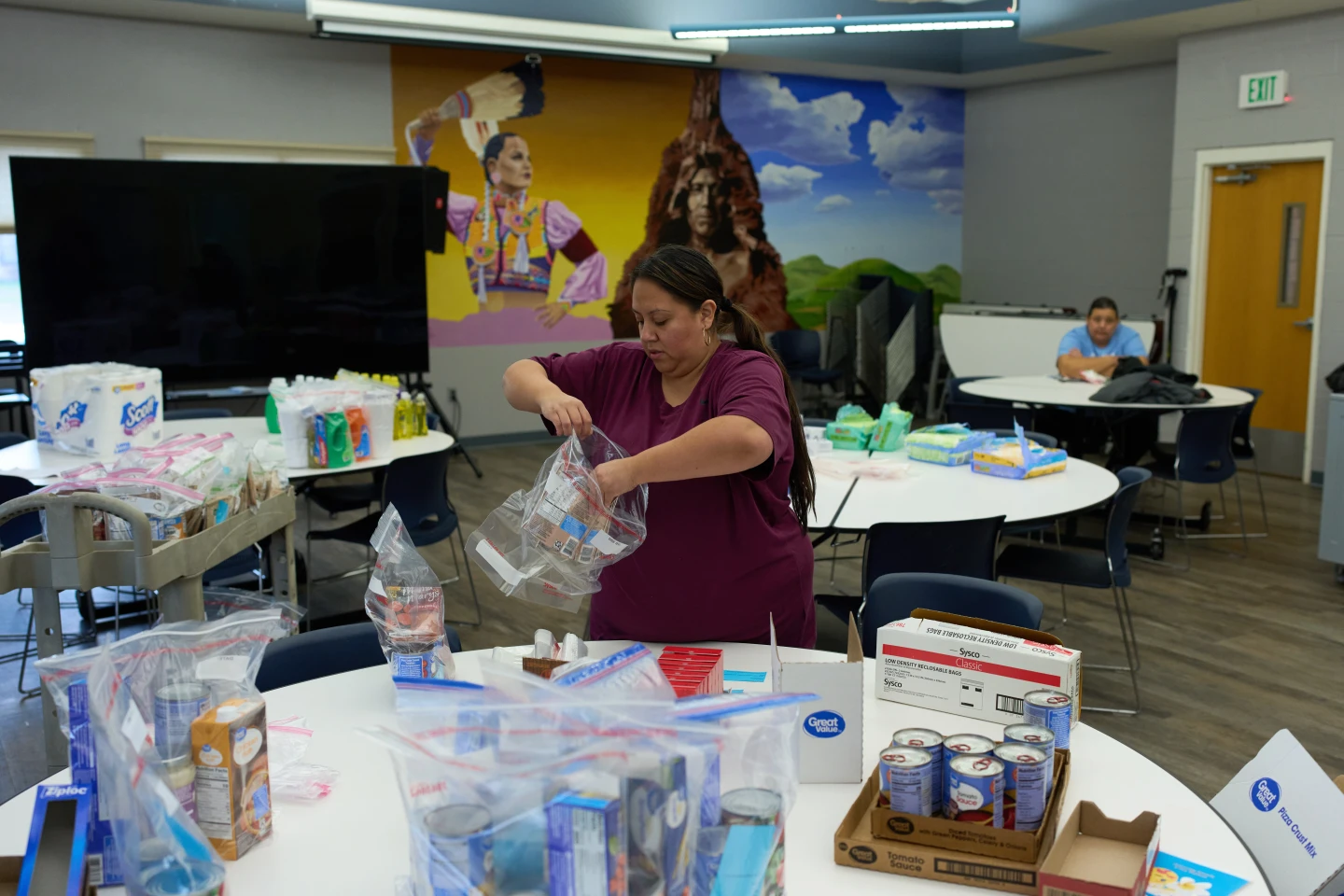
SACRAMENTO, Calif. (AP) — The shelves of a college food pantry in Sacramento brimmed with acorn squash, Spam, and baby food, reflecting the grim reality that students may increasingly rely on these resources due to the government shutdown which has left federal food assistance in disarray.
At California State University, Sacramento, known as Sac State, the Basic Needs Resource Center is a weekly stop for hundreds of students who receive federal aid through the Supplemental Nutrition Assistance Program (SNAP), formerly food stamps. They can select up to a dozen items per visit, from fresh produce to toiletries.
Junior Antonette Duff, a psychology student and SNAP recipient, described it as a “big blessing.” With over 3,600 of the 31,000 students on campus relying on SNAP, the need for assistance is clear. In California, more than 200,000 college students use SNAP, contributing to a national figure of about 1.1 million.
Many students juggle tuition, housing, and part-time jobs that barely cover living costs, now made more strenuous with rising prices for basic goods. This perfect storm has resulted in an alarming increase in food insecurity among college students.
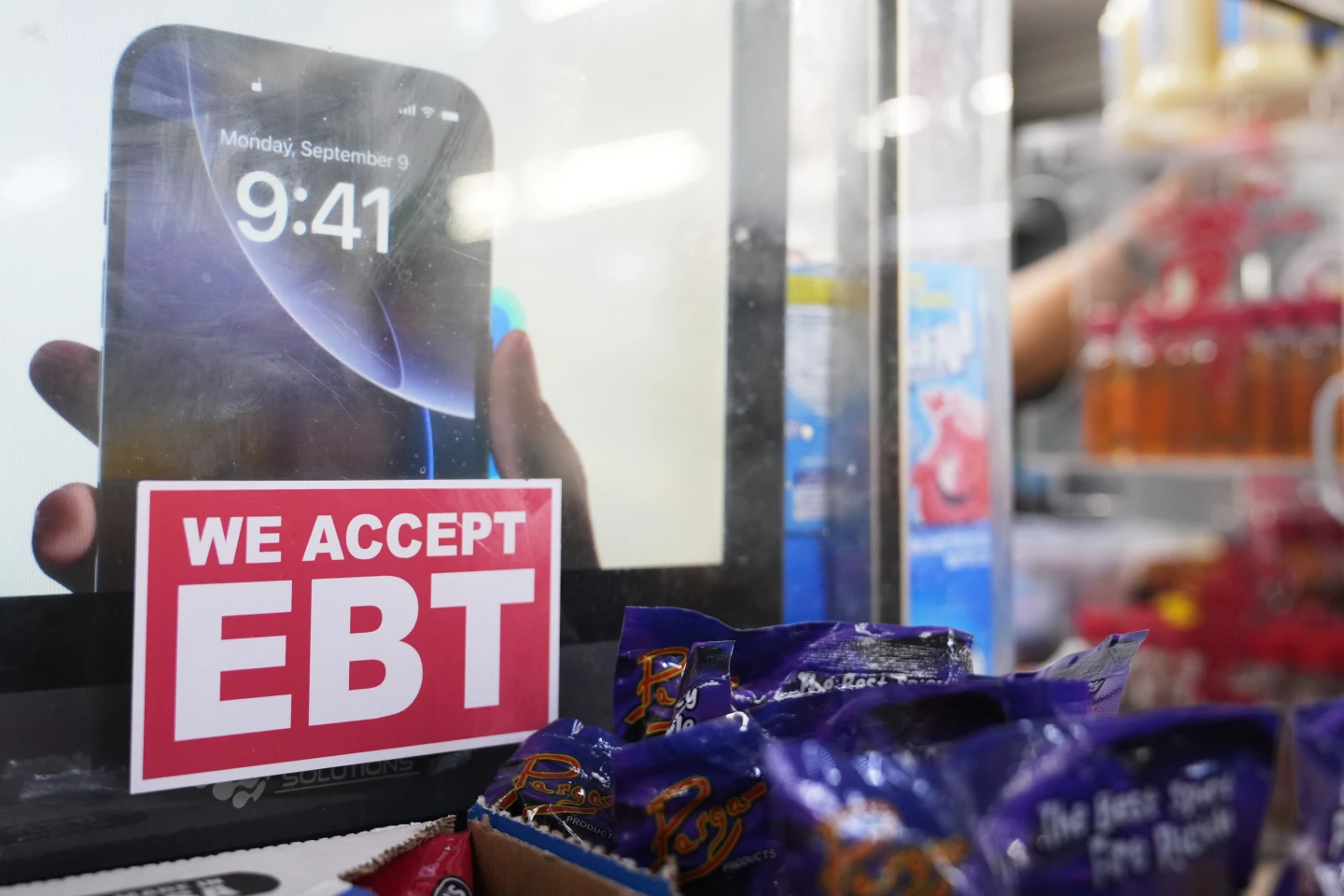
As SNAP benefits for nearly 42 million Americans were halted early in November due to the shutdown, a federal judge mandated the Trump administration to resume funding, only for the U.S. Supreme Court to block this order temporarily, creating further confusion and despair for reliant students.
“It just puts students in a really horrible position,” said Mike Hannigan, a student advocate from Greenfield Community College in Massachusetts, where many face similar dilemmas. Limited funds mean tough choices between attending classes or picking up additional shifts to earn enough to eat.
Campus food pantries, local farmers markets, and community efforts attempt to bridge the gap. Sac State, for instance, frequently organizes grocery giveaways. Similar initiatives are seen at the University of New Mexico, where a campus food pantry serves between 100 to 150 students daily.
However, as students like July Star Medina face dwindling SNAP benefits—they've dropped from $290 to $120 a month—the stress mounts. Medina voices concerns about how she will manage week-to-week expenses if the assistance disappears entirely.
According to UCLA’s AJ Scheitler, the uncertainty surrounding food aid could severely impact students’ academic performance and mental health, highlighting an urgent need to resolve these issues swiftly. Addressing student hunger is not just about food; it’s about supporting their ability to succeed in their studies.
As colleges continue to adapt their responses to growing food insecurity, the impacts of this political turmoil on vulnerable student populations remain a pressing concern, underscoring the need for sustainable solutions to meet their basic needs.