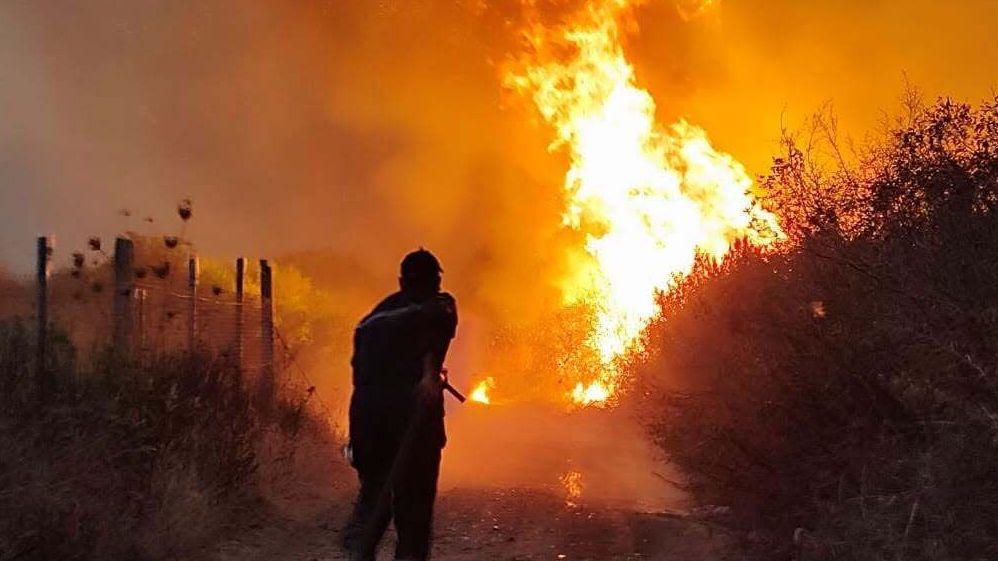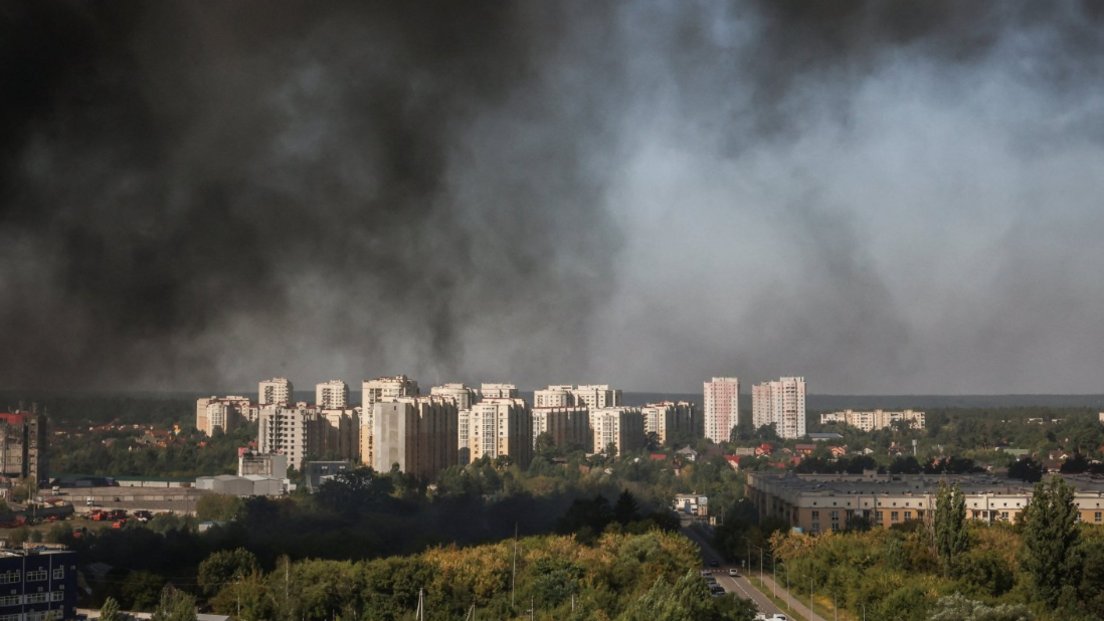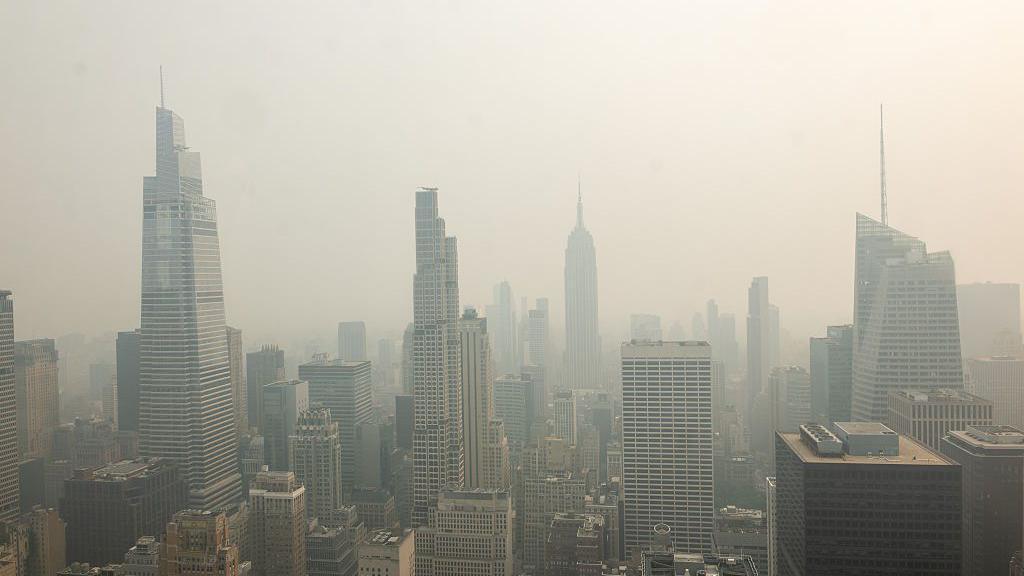
More than 800 wildfires are blistering across Canada, and the smoke that follows has set new air‑quality alerts in motion for cities throughout the United States. Large plumes of soot and fine particles have spread from Toronto and Detroit across the Great Lakes, smudging skylines in New York, New England and the Midwest.
Officials in cities such as Chicago, Denver, Portland and Toronto have issued “hazardous” alerts, warning residents that breathing polluted air may harm sensitive lungs, people over 65, children and anyone with pre‑existing health conditions. Event organisers have cancelled summer camps, beach activities and concerts, and New York Governor Kathy Hochul has extended the state’s heat‑emergency plan to provide air‑quality cooling centres and free masks.
The Canadian Wildland Fire Information System reports 858 active fires, 30 of them new this week, with most out of control. A large cluster in north‑western Ontario is pushing smoke over the Great Lakes, while fires in Quebec and the Atlantic provinces are affecting Toronto and New York’s skyline. The storms that are forecast for Ontario may bring rain, but the haze is unlikely to lift entirely on short notice.
The smoke has forced the evacuation of dozens of First Nations residents, with a chief from the Namaygoosisagagun community describing her town as “burnt to ashes.” Canberra uses emergency alerts, and Ontario Premier Doug Ford pledges resources, stating that the government will spend whatever is needed to fight the fires.
Politically, several Michigan lawmakers have written an open letter to Prime Minister Mark Carney, demanding better wildfire management. In response, the U.S. ambassador to Canada, Pete Hoekstra, praised joint outdoor fire‑fighting efforts while both nations emphasize shared responsibility for climate action. Climate scientists note that the intense fires correlate with a drying, warming surface that has made the boreal forest more prone to blaze.
The widespread smoke and associated health risks underscore the escalating wildfire season in Canada and the trans‑border fallout for the United States, reminding residents that a clear sky may be a relief that must wait.