Canada’s Dairy Powerhouse Faces Trump’s Tariff Threat
In August 2026 a U.S. executive order will slap a 50% tariff on $20 billion of Canadian dairy—milk, eggs and poultry—moving the country’s trade talks onto a high‑stakes bargaining table.
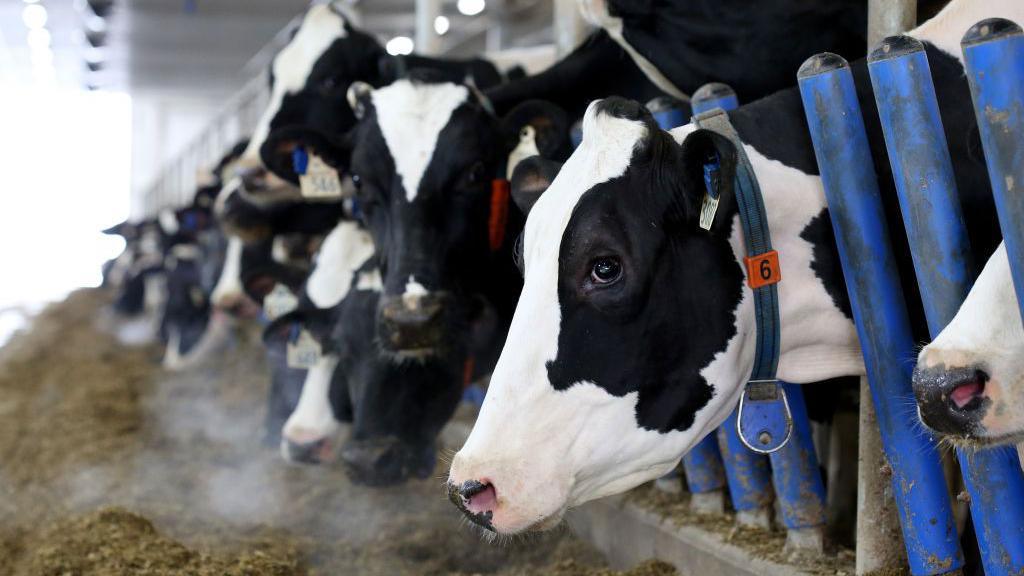
The Canadian dairy system, established in the early 1970s, is a supply‑management model that sets quotas, prices and import caps to guarantee high incomes for farmers and price stability for consumers. Nearly 77% of Canadians back the policy, as a recent poll shows, and the government sees it as a cornerstone of food sovereignty.
But U.S. officials argue the system disadvantages American farmers who want to export north of the border. In a statement last week, trade minister Dominic LeBlanc offered that the model is “a huge advantage to Canadian farmers” while the U.S. demands equal footing.
Quebec premier Christine Fréchette has been clear that supply‑management is non‑negotiable. “We do not let our farmers see their price policy crumble,” she said, when asked whether Ottawa might consider easing the rules. The dispute has revived memories of past U.S.–Canada trade battles and sparked fresh debate among Canadian economists, who argue that reform could lower consumer costs.
Dairy farmers like David Wiens, president of the Dairy Farmers of Canada in Manitoba, see the system as a stabilising force. He argues that the policy keeps Canadian dairy prices competitive internationally and shields families from sudden price spikes that other countries have experienced due to bird flu crises or other shocks.
Conversely, trade lobbyists such as David Clement of the Consumer Choice Center claim the system “inflates prices” and stifles choice in supermarket aisles. He urges Canada to “forget supply‑management” to win better trade terms and reduce cost of living for Canadians.
The United States has already faced backlash when it set a 200–300% levy on foreign dairy that exceeds a small market‑entry quota. Currently only 3.5 percent of the Canadian market is open to U.S. producers without tariffs, even as Canada imports $1.3 billion of U.S. dairy in 2025.
At the heart of the controversy lie the simple numbers: Canadians pay an average of C$3.19, or US$2.26, for a litre of milk, while Americans pay C$1.95 a litre. Is the price premium worth protecting Canada’s dairy farms, or is it a barrier to a more open market?
For Canada, any move toward liberalising the dairy industry risks huge compensation costs—a billion‑dollar outlay that could sway the political balance in Parliament. Australia’s 2012 deregulation was financed by a temporary consumer levy and the EU simply increased quotas by one per cent annually before fully abandoning the system. The Canadian consensus, however, seems to be that supply‑management is here to stay.
As the U.S. sets the tariff deadline, Canadian leaders are forced to answer whether to keep the “powerful” dairy lobby in its corner or risk public anger. The next weeks will therefore be telling, as Ottawa wrestles with diplomatic pressure, economic realities and the long‑held traditions of Canadian agriculture.