In brief
This article explores the life of Jevona Anderson, a stopout student who faced significant challenges after encountering personal loss and financial difficulties. Despite these setbacks, initiatives from colleges and local governments are aimed at assisting students like Anderson to re-enroll and complete their degrees. With over 38 million stopouts in the U.S., addressing the barriers many face is crucial for their educational and economic future.
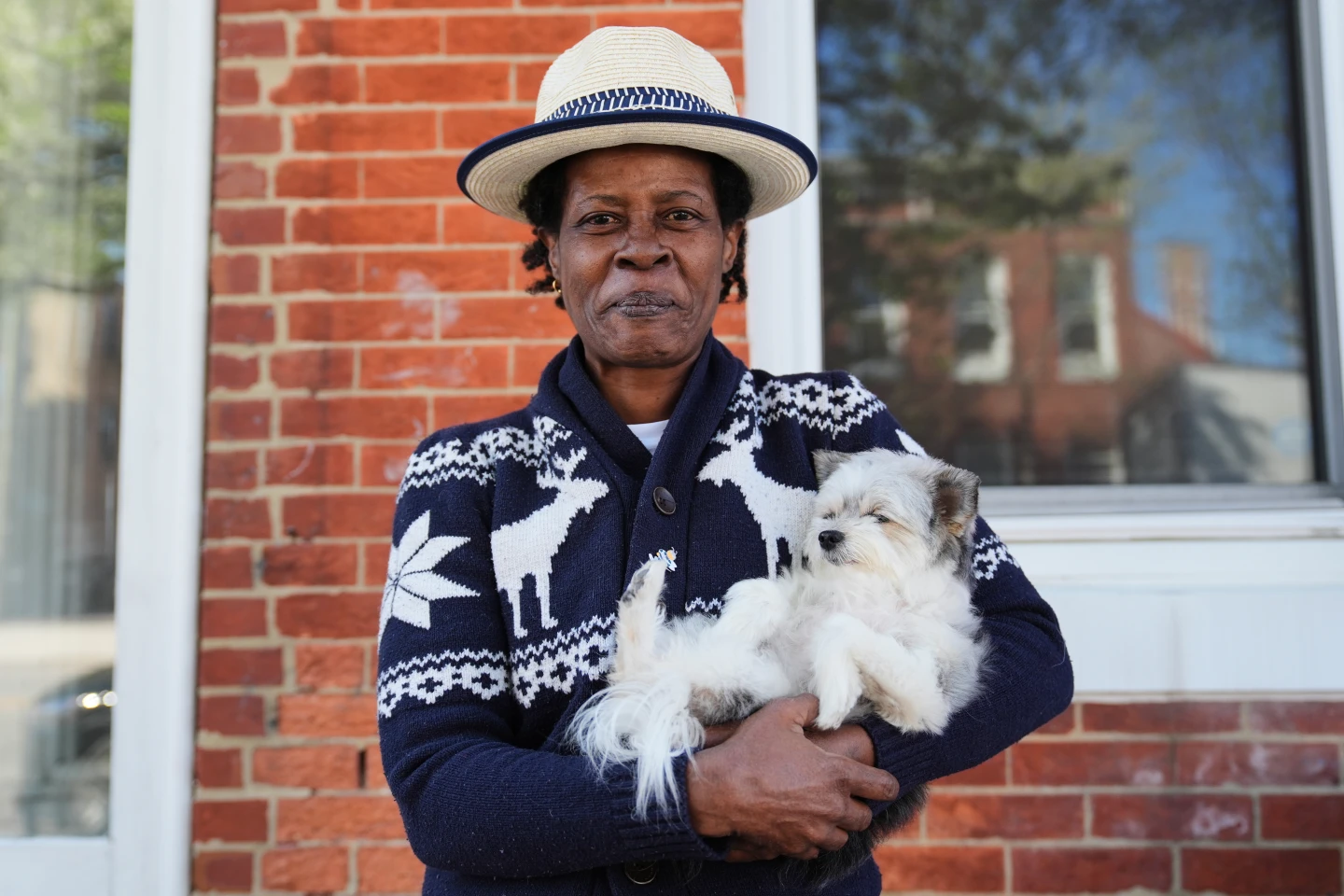
After a series of family tragedies and an eviction, Jevona Anderson found herself at a crossroads. At 59 years old and having initially enrolled at the University of Baltimore to pursue a degree in environmental sustainability, life challenges led her to pause her education, part of a larger trend of stopouts among U.S. students.
Currently, about 38 million adults in the U.S. fall into the category of stopouts—those who left college without completing their degrees. Many bear the burden of student loans, yet lack the earning potential that a degree could offer.
While the desire to return is common, the reality often makes it difficult. Only in recent years have colleges and local governments enhanced their support structures, helping over a million stopouts to re-enroll in the 2023-2024 school year, a rise from previous years.
Anderson's story took a turn when a scholarship made her return to the University of Baltimore feasible, enabling her to finish her remaining credits. She expressed the significance of obtaining her degree to not only benefit herself but also to influence future generations through education.
Research indicates that small obstacles—ranging from confusing administration procedures to personal responsibilities—often deter students from completing their studies. Factoring in economic constraints adds another layer to these challenges.
The landscape is shifting, however, as numerous states enhance efforts to mitigate these issues by providing financial assistance and simplifying the reenrollment process. In Maryland alone, outreach programs have successfully helped thousands of former students return to education.
Ultimately, the path to re-engagement requires a collaborative effort among educational institutions, governmental agencies, and community organizations to remove barriers and promote inclusivity.
As Anderson aims for graduation soon, her determination encapsulates the aspirations of many stopouts who are close to the finish line, signaling a potential shift in educational equity and opportunity.