When you hit buy on an online order and then sit down to watch the shopping screen fill with numbers, you’re seeing the very real pace of modern commerce – weeks behind in the past, now minutes behind.
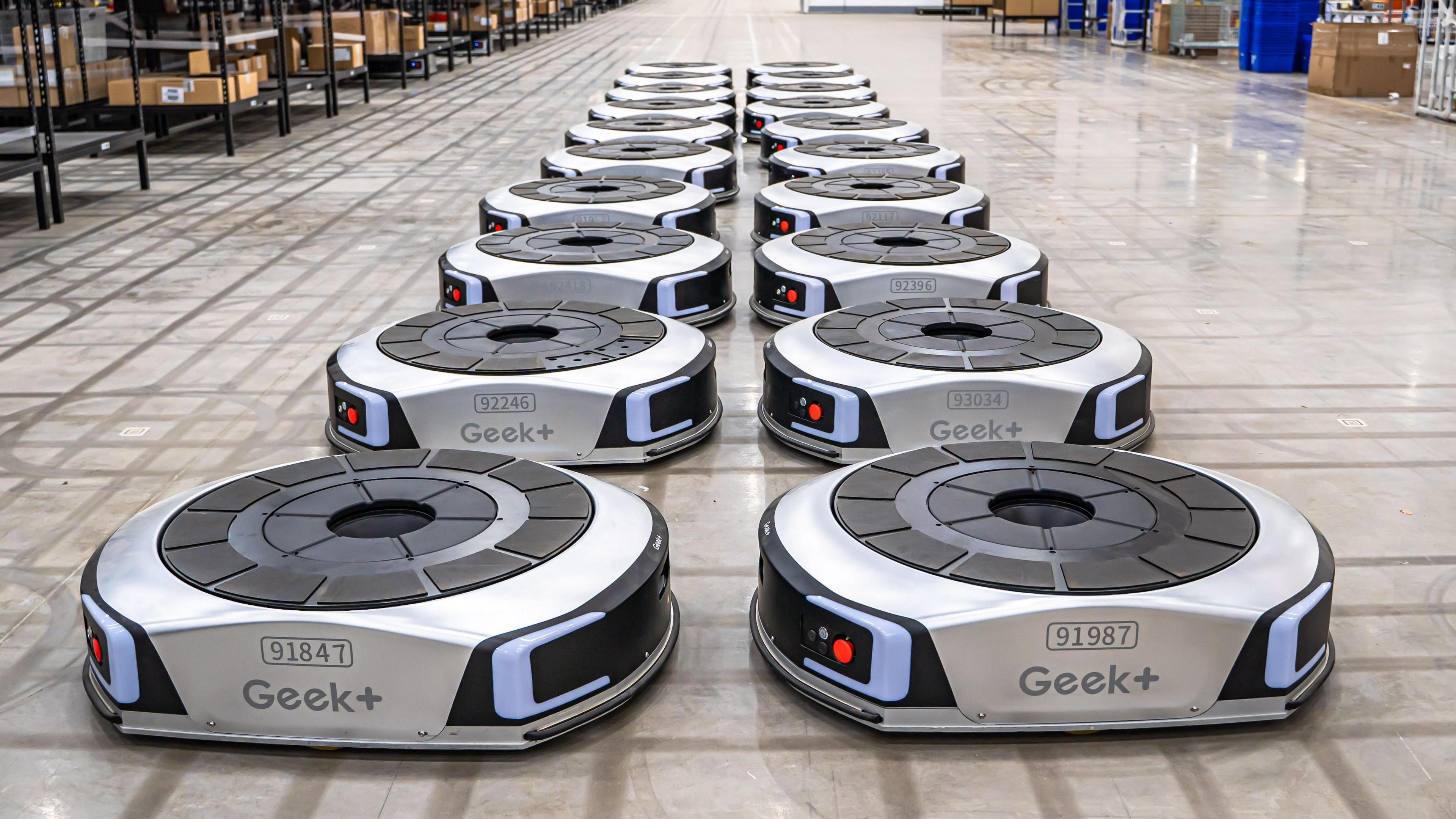
High above the aisles of UK warehouses, a silver‑coloured floor robot, no bigger than a small fridge, glides beneath a shelf. It lifts the whole rack and carries it across the floor to a waiting worker. This everyday ballet is the result of one company, Geek+, that built and tests fleets of autonomous mobile robots in Hefei, China before shipping them to the world.
The scale is eye‑catching: two thousand Geek+ units are already active in ten UK sites, handling everything from picking to moving entire pallets. Big names like Tesco, Asda and Next are already riding the wave, reporting faster pick times, reduced errors and the ability to store more goods in narrow racks that humans cannot reach.
Unlike older fixed‑system solutions, Geek+ robots need only QR‑code floor markers and safety fencing – no permanent conveyors or rewiring. This plug‑and‑play approach has allowed UK logistics giants to scale up quickly without huge upfront investment.
When the Organisation for Economic Co‑operation and Development (OECD) flagged in its 2026 “SME Technology Adoption” report that the UK’s robotics uptake was “surprising” given its manufacturing heritage, the country already had a clear answer: imports from China. With one of Europe’s biggest e‑commerce markets in its backyard, Britain is now becoming a prime testing ground for next‑generation automation, according to MotionTech’s senior account director Barry Pemberton.
Pemberton explains that UK warehouses want high‑volume, high storage and fast picking solutions to cut headcount. Workers are concerned, though: the Trades Union Congress has urged ministers to involve employees in decisions about automation and to fund retraining programmes.
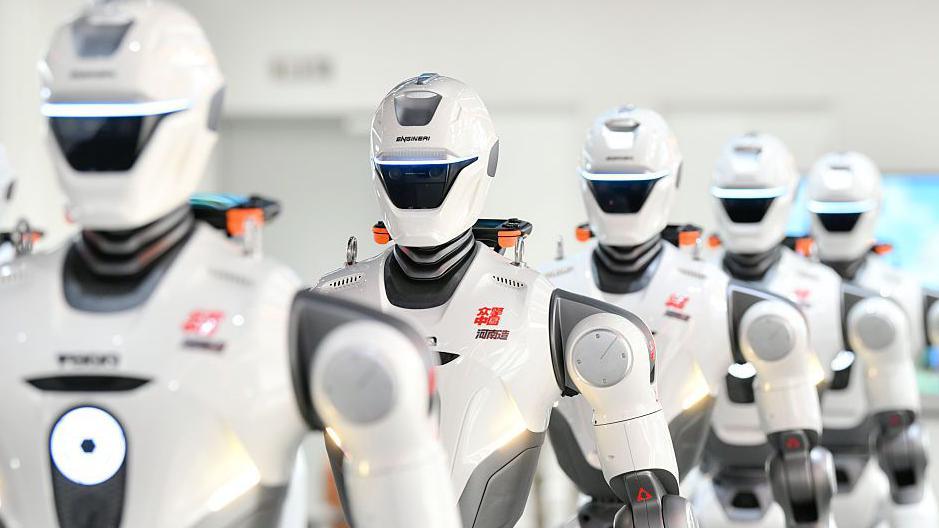
In China, robotics now sits on the same strategic ladder as the electric‑vehicle industry. Since its fabrication of batteries, motors and semiconductors, the country has fed those technologies into robot design. XPeng, the EV maker, unveiled a humanoid robot, Iron, in 2025, signaling a move towards a future where cars become robots too.
Chinese analysts claim that, armed with robust manufacturing, dense supplier networks and agile development, China’s robotics dominance will mirror its EV success. Tesla is already chasing this with its Optimus robot; however, the US recently banned the import of new foreign-made advanced robots citing national security, sparking diplomatic friction with China.
Looking ahead, Geek+ is already working on end‑to‑end unmanned warehouse solutions, planning to automate picking, handling and packing. While wheeled robots could already handle goods, true humanoid robots are still in the infancy stage – mostly tested in factories and hospitals. Experts say they will be complementary, not disruptive, but they could eventually work in environments designed for humans without needing a full redesign of workplaces.
For the UK, an urgent combination of labour shortages and productivity pressure means it is ripe to adopt this new wave of automation. The next frontier of robotics, whether it is practical warehouse bots or future humanoid helpers, will likely continue to be from China – pushing the UK suppliers and shoppers onto the cutting edge of a technologically reshaped marketplace.