In brief
In Minneapolis, local clergy from various faiths are advocating for the right to provide pastoral care to immigrants held in a federal detention facility. A lawsuit filed in U.S. District Court seeks an injunction to compel officials to allow timely access for clergy visits, highlighting issues of religious freedom and detainee rights. The case comes amidst ongoing debates about immigration enforcement practices and the conditions within detention facilities.
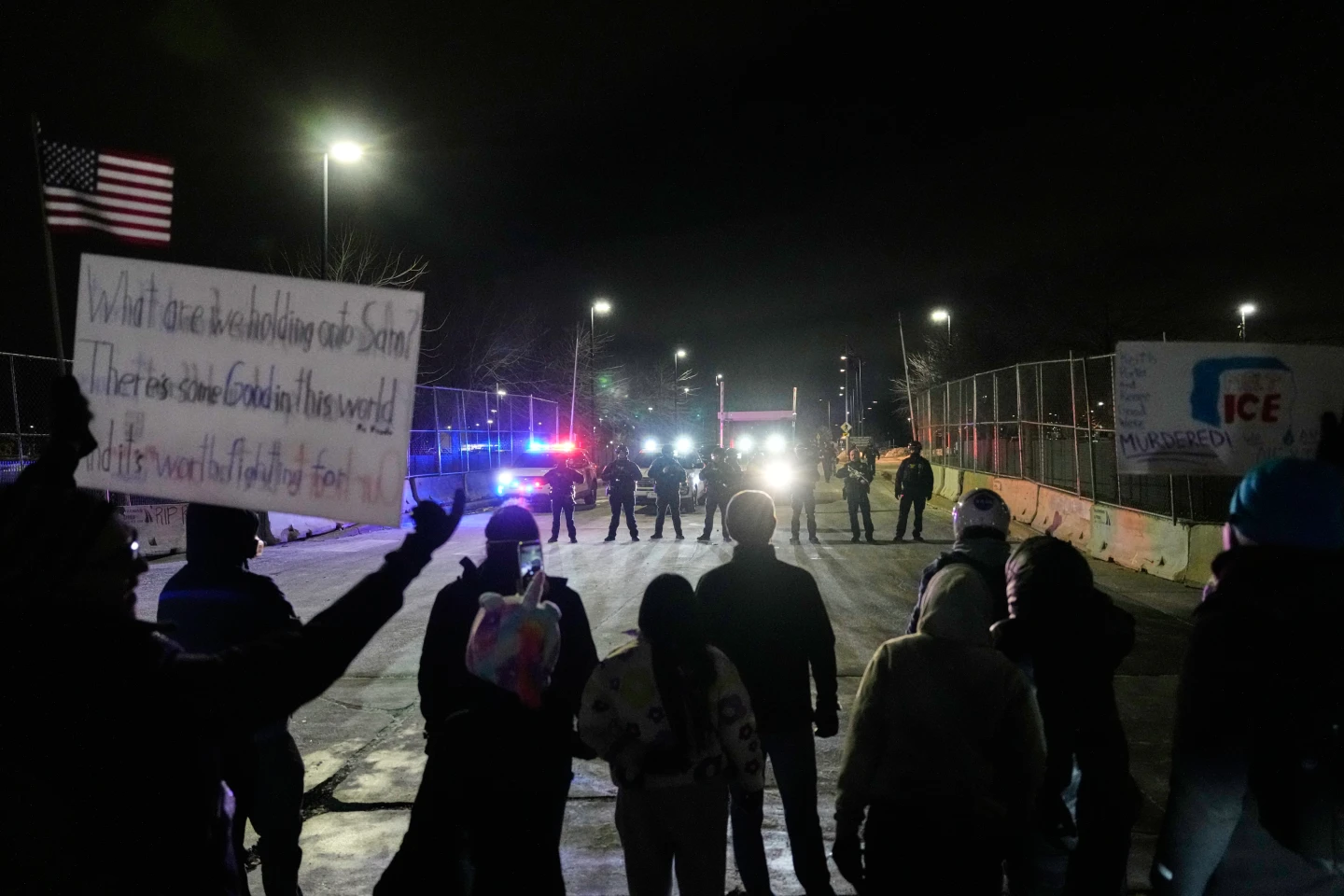
MINNEAPOLIS (AP) — A coalition of Protestant and Catholic clergy is calling on a federal judge to grant them the right to minister to immigrants being held at the Bishop Henry Whipple Federal Building in Minneapolis. This facility has come under scrutiny following the Trump administration’s enforcement surge in Minnesota which saw a significant increase in the presence of federal officers.U.S. District Judge Jerry Blackwell will soon hear arguments from attorneys representing various Christian denominations, including the Evangelical Lutheran Church in America and the United Church of Christ. They assert that the federal government is violating the rights of detainees by restricting access for clergy visits, particularly during crucial religious observances. The building, named after a 19th-century human rights advocate, has become a focal point of allegations regarding the deprivation of detainees' constitutional rights.Although government lawyers argue that the request for clergy access may be moot since the controversial Operation Metro Surge officially ended on February 12, clergy members maintain that the restrictions remain in effect. Recent filings indicate that while initial visitation privileges have somewhat improved, access prior to this has been heavily limited amid rising tensions.This lawsuit points to broader issues concerning access to immigration facilities, with clergy nationwide advocating for the ability to provide spiritual support to detainees, especially during significant religious periods such as Lent and Ramadan. The implications of this case could resonate with ongoing debates about immigration enforcement and detainee rights in the U.S. landscape.The movement for greater access also highlights a history of resistance faced by faith leaders trying to reach ICE detainees, an issue complicating the intersection of religious freedom and immigration policies in the current political climate.