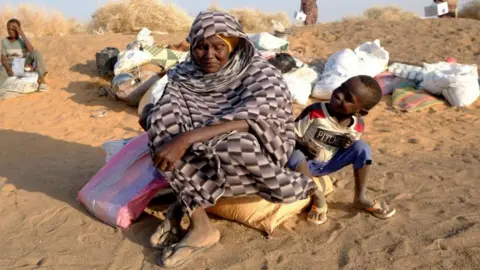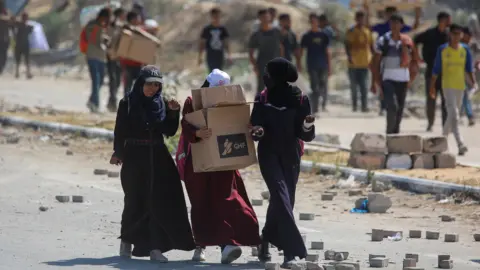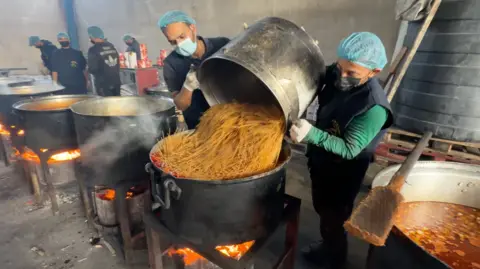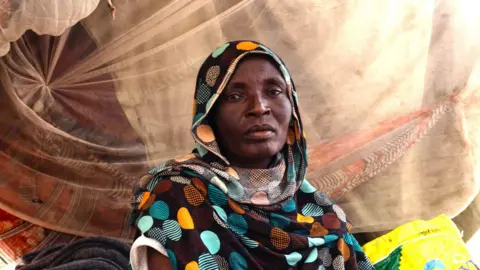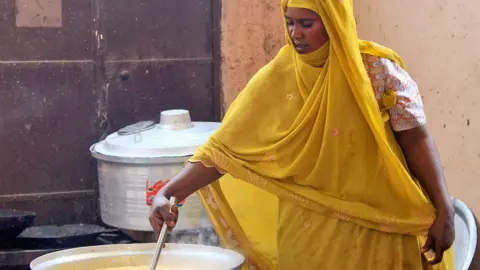
A network of community kitchens in Sudan - a crucial lifeline for millions of people caught up in civil war - is on the verge of collapse, a report says.
The warning from aid organization Islamic Relief comes after a UN-backed global hunger monitor confirmed that famine conditions were spreading in conflict zones.
The locally run kitchens have operated in areas that are difficult for international humanitarian groups to access but are facing closure due to neglect, shortages, and volunteer exhaustion.
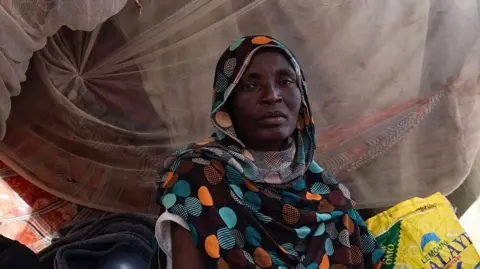
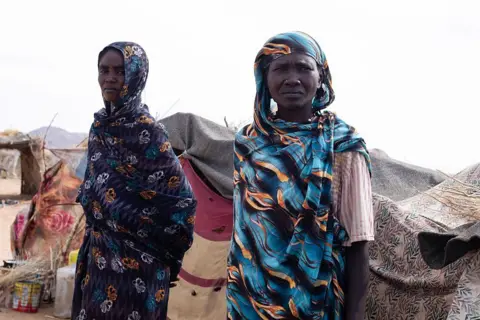
Sudan's people have been brutalized by more than two years of war after fighting broke out between the army and the paramilitary Rapid Support Forces (RSF). According to the UN, more than 24 million people are facing acute food shortages, making this the world's largest humanitarian crisis.
Most kitchens are projected to shut down if immediate changes do not occur, with perhaps only one or two surviving in each area. These local initiatives often work alongside social networks known as Emergency Response Rooms, which have attempted to fill the void left by the failing government services and limited international aid.
Financial fragility is the most pressing issue as kitchens are funded primarily through donations from the Sudanese diaspora, especially after USAID cuts earlier this year.
Operational challenges also include severe shortages of safe water and firewood, while ongoing violence and bureaucratic obstacles further hinder humanitarian aid deliveries.
Significantly, cities like el-Fasher and Kadugli are facing dire conditions and are largely severed from essential supplies and humanitarian assistance, exacerbating the food crisis.
In these desperate times, community kitchens remain a crucial source of hope, but they desperately need support and resources to continue their life-saving work.
The warning from aid organization Islamic Relief comes after a UN-backed global hunger monitor confirmed that famine conditions were spreading in conflict zones.
The locally run kitchens have operated in areas that are difficult for international humanitarian groups to access but are facing closure due to neglect, shortages, and volunteer exhaustion.
Sudan's people have been brutalized by more than two years of war after fighting broke out between the army and the paramilitary Rapid Support Forces (RSF). According to the UN, more than 24 million people are facing acute food shortages, making this the world's largest humanitarian crisis.
Most kitchens are projected to shut down if immediate changes do not occur, with perhaps only one or two surviving in each area. These local initiatives often work alongside social networks known as Emergency Response Rooms, which have attempted to fill the void left by the failing government services and limited international aid.
Financial fragility is the most pressing issue as kitchens are funded primarily through donations from the Sudanese diaspora, especially after USAID cuts earlier this year.
Operational challenges also include severe shortages of safe water and firewood, while ongoing violence and bureaucratic obstacles further hinder humanitarian aid deliveries.
Significantly, cities like el-Fasher and Kadugli are facing dire conditions and are largely severed from essential supplies and humanitarian assistance, exacerbating the food crisis.
In these desperate times, community kitchens remain a crucial source of hope, but they desperately need support and resources to continue their life-saving work.