In brief
Summary: The trial of two renowned figures in the French antique world reveals a sophisticated scheme to forge and sell fake royal furniture, shaking the foundations of trust in art dealings and prompting calls for stricter regulations.
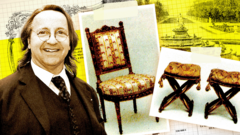
The realm of antiques has been rocked by revelations surrounding a high-profile fraud case involving fake royal furniture purportedly linked to the Palace of Versailles. In the early 2010s, two intricate chairs, claimed to be the most extravagant pieces made for Marie Antoinette, surfaced on the market, leading to a series of events that would culminate in scandal.The chairs, which bore the seal of esteemed Parisian cabinetmaker Nicolas-Quinibert Foliot from the 1700s, were declared national treasures by the French government in 2013, igniting interest from Versailles. However, the chairs were sold instead to Qatari Prince Mohammed bin Hamad Al Thani for €2 million, raising eyebrows in the antiques community.The intrigue deepened as multiple items from the 18th Century royal collection emerged, including other chairs supposedly belonging to notable figures such as Madame du Barry and Princess Élisabeth. While many of these pieces were acquired by Versailles for display, a scandal erupted in 2016 when it was discovered that these prized items were in fact forgeries.Antiques expert Georges "Bill" Pallot and acclaimed cabinetmaker Bruno Desnoues found themselves in the spotlight after a nine-year investigation unveiled their fraudulent operation. Both men faced charges tied to fraud and money laundering; Pallot had previously been a trusted advisor to Versailles, lending credence to their deceptive practices.The scheme began in 2007 when Pallot and Desnoues jokingly attempted to replicate an armchair from Madame du Barry. Their success encouraged them to create a series of fakes, including adding intricate designs and stamps from furniture artisans of the 18th Century. They sold these counterfeits to galleries such as Kraemer and Didier Aaron, which later funneled the pieces to auction houses.The profits, estimated by prosecutors at over €3 million, were allegedly deposited in offshore accounts. The elaborate ruse came to light when investigators noted the extravagant lifestyle of a Portuguese man linked to the pair, prompting a deeper inquiry into the antiques market.Prosecutors implicated Kraemer and his gallery in charges of gross negligence for selling the fakes, arguing they did not adequately verify the authenticity before endorsing high-price sales. The gallery's lawyers contend their client was misled and should not be deemed an accomplice to the forgery operation.The trial has raised critical discussions around the need for more rigorous regulations in the art market and standards for dealers, as the shadow of this scandal looms over esteemed institutions like Versailles. The fraud highlights how even distinguished figures can exploit their credentials and networks, shaking the very trust placed in the art and antiques trade. This unfolding saga continues to captivate attention as court proceedings advance, marking a significant chapter in the world of art authentication and antique sales.