Ecuador has released the survivor of a US strike on a submarine alleged to have been smuggling drugs in the Caribbean.
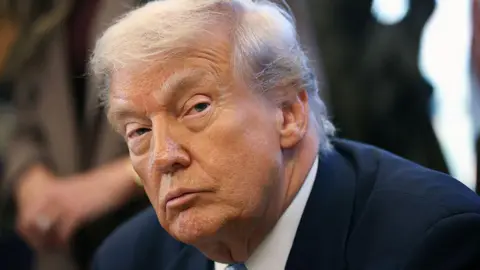
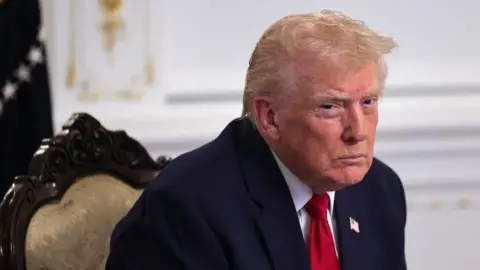
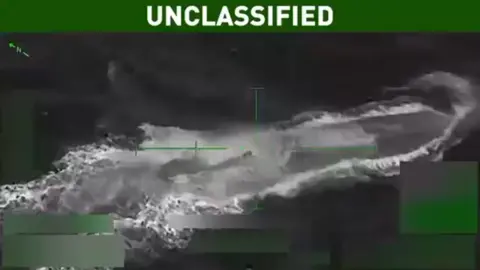
US military forces captured the Ecuadorean national along with a Colombian citizen after they attacked the submarine the two were on. US President Donald Trump said they would be returned to their countries of origin 'for detention and prosecution'.
However, the Ecuadorean Attorney General's office stated that the Ecuadorean survivor 'could not be detained' due to the absence of any crime report.
The US military has conducted numerous strikes on purported drug-smuggling vessels in the region, with a total of at least 32 fatalities reported across seven operations since early September.
Echoing legal concerns, experts argue that these strikes could infringe international law. Nonetheless, the Trump administration defends the actions as necessary to combat 'narco-terrorism'.
Reports indicate that both survivors, identified as Andrés Fernando Tufiño and 34-year-old Jeison Obando Pérez, are the first known to survive such US operations. Moreover, two other individuals aboard the submarine were reportedly killed in the assault.
Trump characterized the two men as participants in a drug trafficking operation, asserting that the submarine was designed for drug transportation. Although he suggested the vessel was carrying 'mostly fentanyl,' experts note that drug trafficking routes to the US emphasize Mexico rather than the Caribbean.
A significant U.S. military presence, including around 10,000 troops, is currently deployed in the Caribbean to combat drug trafficking, mainly targeting boats leaving Venezuela. The region has become a focal point due to accusations against Venezuelan leader Nicolás Maduro, whom Trump has linked to drug trafficking groups.
The aftermath of the strike has raised questions surrounding diplomatic relations—with Colombian officials alleging that some strikes occurred within their territorial waters. The region's leaders are considering how best to navigate the complex dynamics of US interventions amid rising tensions over drug trafficking.
The US's intensified focus on the Caribbean implies ongoing strategic operations that might further complicate international relations in the fight against narcotics.