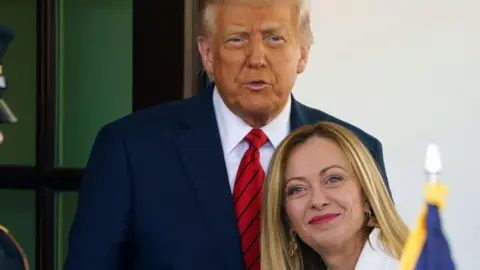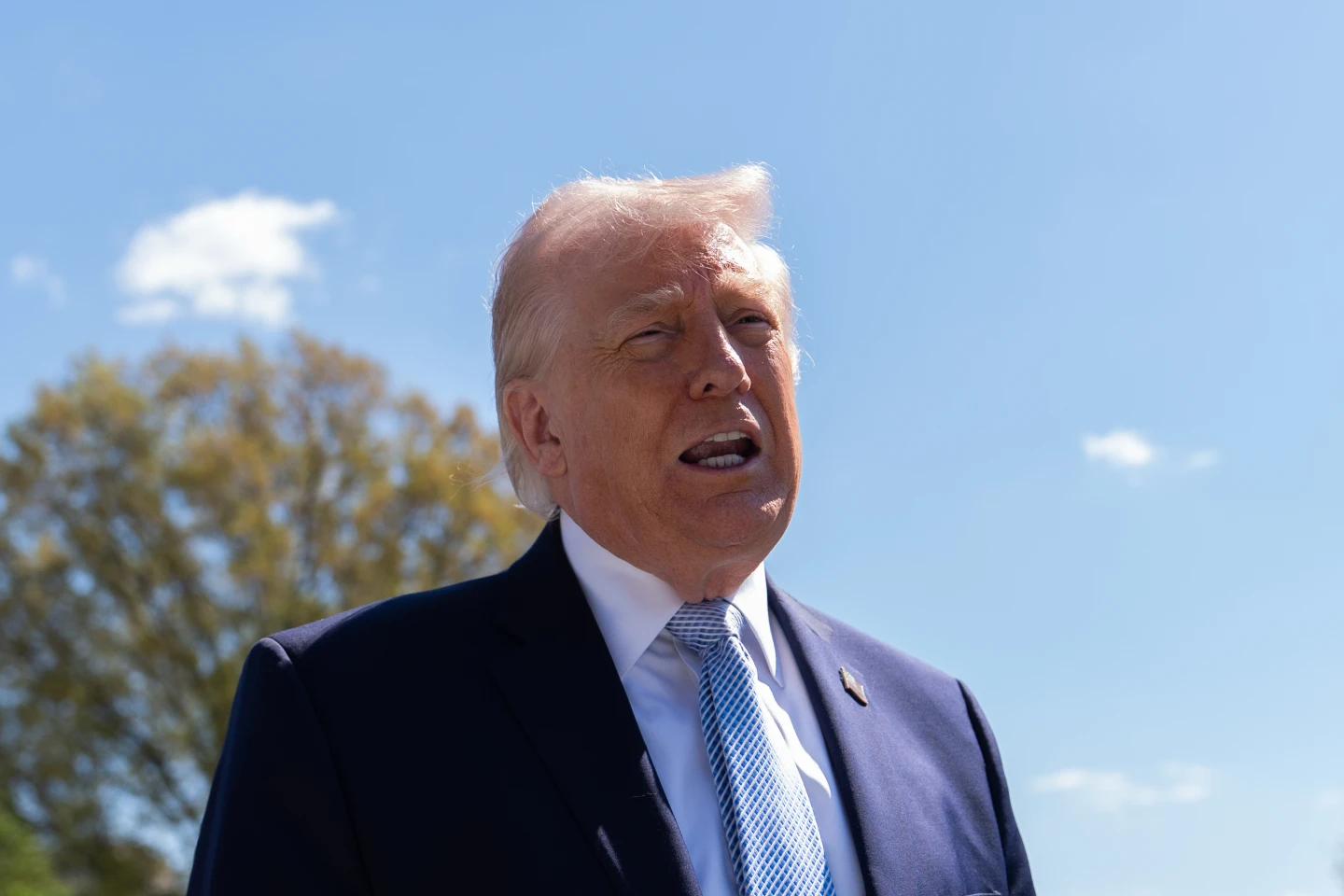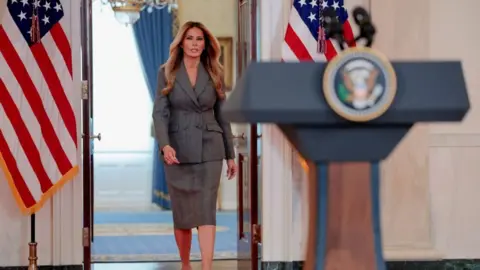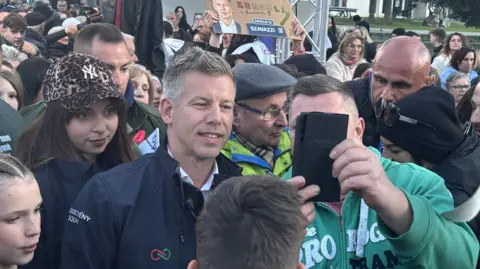
WASHINGTON (AP) — Tuesday marks the nation’s first major Election Day since President Donald Trump returned to the White House, with discussions surrounding his leadership and policies resonating across numerous races — despite his physical absence from the campaign trail. Major contests are set in Virginia and New Jersey, the only states electing governors this year. Trump previously lost both states but has continued to shape the Republican narrative.
GOP candidates are strategically aligning themselves with Trump, hoping that his previous electoral successes will translate into local victories this time around, even though off-year elections typically challenge the party in power.
Conversely, strong Democratic performances could signal a revival for the party, especially as they navigate various strategies ranging from moderate stances to embracing expansive government spending aimed at improving voters’ lives.
In New York City, a notable figure, self-identified democratic socialist Zohran Mamdani, is standing out in the mayoral race. His candidacy could either invigorate a progressive movement or draw critique from establishment political spheres.
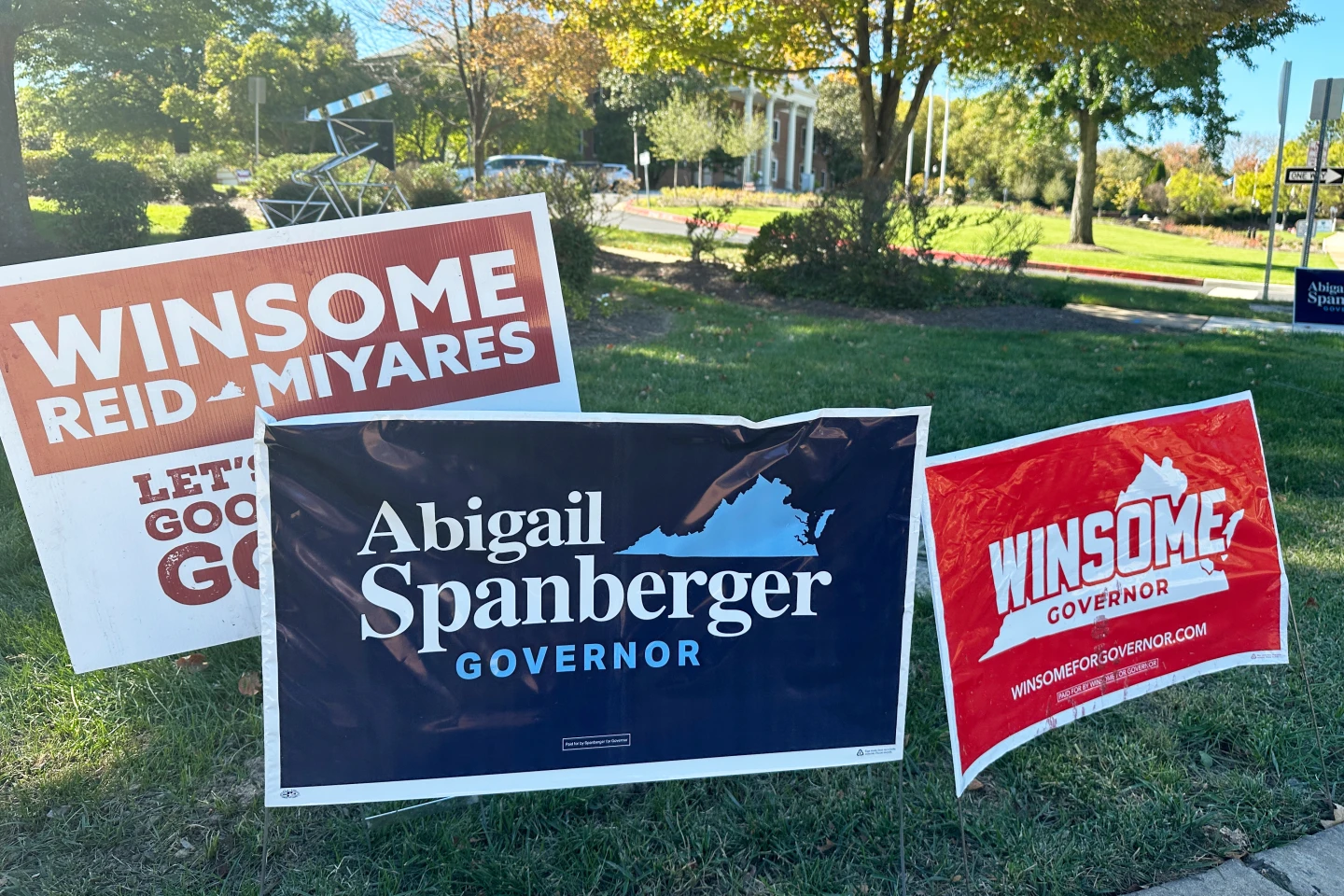
A critical lens is being placed on the races in Virginia and New Jersey, as they are likely seen as a reflection of Trump's presidency. His policies, from economic tariffs to cuts in federal activities, are under scrutiny, particularly as candidates such as Winsome Earle-Sears and Jack Ciattarelli navigate their affiliations with Trump.
Meanwhile, Democrats like Mikie Sherrill and Abigail Spanberger are adopting a more moderate approach, focusing on conventional issues like the economy and public health while intentionally distancing themselves from more progressive tenets of their party. This balanced strategy aims at appealing to centrist and swing voters amid a turbulent political landscape.
Election Day also arrives amid a federal government shutdown impacting many voters, creating heightened urgency around economic issues that could sway results.
As Pennsylvania and California also hold impactful votes regarding judicial seats and congressional redistricting respectively, the implications of these elections could stretch all the way to the presidential race in 2028, framing the future political landscape in America.
GOP candidates are strategically aligning themselves with Trump, hoping that his previous electoral successes will translate into local victories this time around, even though off-year elections typically challenge the party in power.
Conversely, strong Democratic performances could signal a revival for the party, especially as they navigate various strategies ranging from moderate stances to embracing expansive government spending aimed at improving voters’ lives.
In New York City, a notable figure, self-identified democratic socialist Zohran Mamdani, is standing out in the mayoral race. His candidacy could either invigorate a progressive movement or draw critique from establishment political spheres.
A critical lens is being placed on the races in Virginia and New Jersey, as they are likely seen as a reflection of Trump's presidency. His policies, from economic tariffs to cuts in federal activities, are under scrutiny, particularly as candidates such as Winsome Earle-Sears and Jack Ciattarelli navigate their affiliations with Trump.
Meanwhile, Democrats like Mikie Sherrill and Abigail Spanberger are adopting a more moderate approach, focusing on conventional issues like the economy and public health while intentionally distancing themselves from more progressive tenets of their party. This balanced strategy aims at appealing to centrist and swing voters amid a turbulent political landscape.
Election Day also arrives amid a federal government shutdown impacting many voters, creating heightened urgency around economic issues that could sway results.
As Pennsylvania and California also hold impactful votes regarding judicial seats and congressional redistricting respectively, the implications of these elections could stretch all the way to the presidential race in 2028, framing the future political landscape in America.