In brief
Recent studies show that while the number of fast chargers has grown significantly, nearly 40% of Americans still hesitate to purchase electric vehicles due to concerns over range and charging times. Influential advocates are working to change this perception, but price remains the primary barrier for potential buyers.
For many Americans, concerns about finding chargers for electric vehicles (EVs) are diminishing, particularly with more than 12,000 quick chargers added near highways this year alone. However, this expansion hasn't quelled fears, as a recent poll revealed that nearly 40% of adults still consider range and charging time significant barriers to purchasing an EV.
Fast chargers, which refill a fully electric vehicle in 20 minutes to an hour, are becoming increasingly common. Yet, economic factors remain a top concern with consumers, as only 20% felt that sticker shock was not a reason for avoiding EV purchases, despite projections suggesting long-term savings through lower maintenance and energy costs.
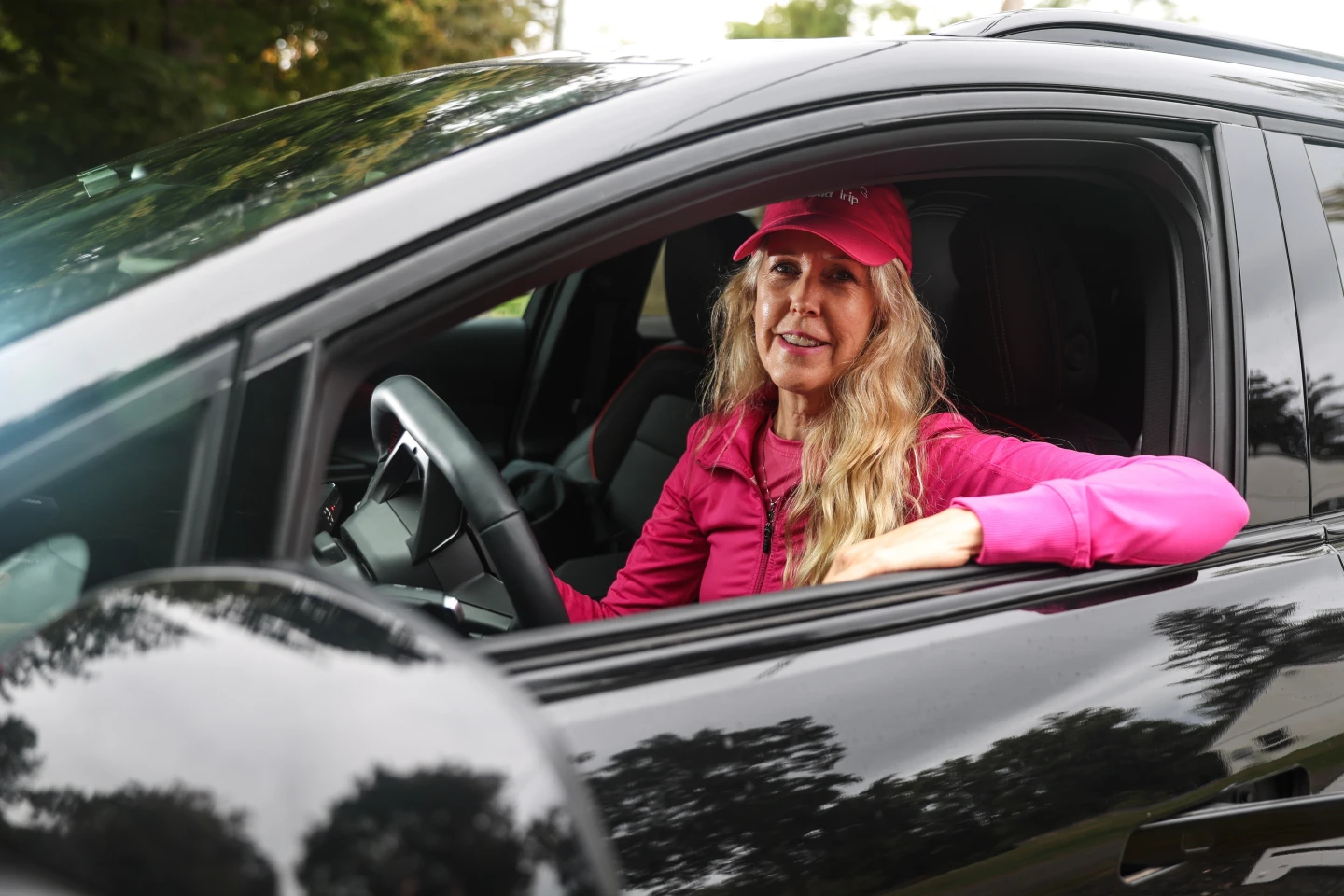
Advocates like Daphne Dixon are actively trying to change public perception, highlighting that the options for charging are growing daily. She emphasizes that range anxiety is largely a misconception, urging consumers to reassess their hesitations about switching to electric.
Even as policymakers work to improve infrastructure, many rural areas continue to lack sufficient charging stations. The challenge is not only establishing more chargers but also modifying the public's perception about the reliability and convenience of electric vehicles. As Dixon put it, many people still fear a lack of chargers despite the growing network.
Dixon’s own experiences on her coast-to-coast road trips serve as testimonials against these fears, showcasing the viable options available for EV drivers today. Each state visit also highlights ongoing efforts to advance EV technology and availability.