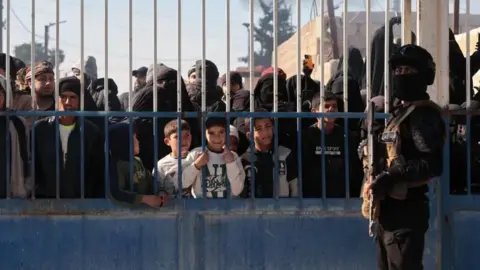
Syria's government has reached a deal with the Kurdish-led Syrian Democratic Forces (SDF) militia alliance that would see the gradual integration of Kurdish forces and institutions into the state. This comes after weeks of clashes which saw Syrian troops reclaim large swathes of territory in the north-east that had been under SDF control for more than a decade.
U.S. envoy Tom Barrack called it 'a profound and historic milestone in Syria's journey toward national reconciliation, unity, and enduring stability.' Earlier this month, following major territorial losses, the SDF agreed to a ceasefire that saw much of its hold brought under government control, but reports of clashes continued.
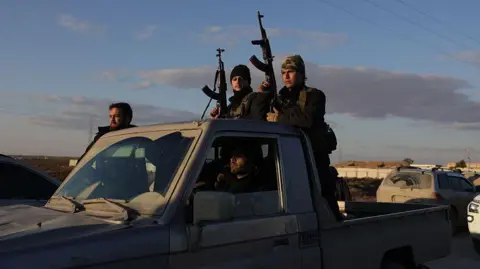
Much like the 14-point agreement, Friday's deal includes SDF withdrawal from points of contact, the integration of its members into the Syrian army, and the merging of its administrative and civil bodies into those of the state. The agreement also stipulates the formation of a military division made up of three brigades consisting of SDF members.
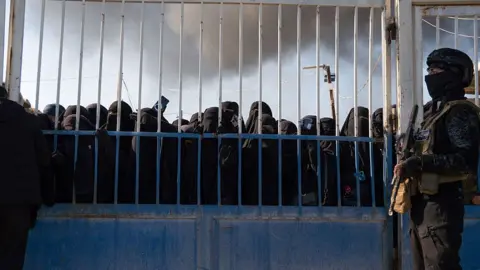
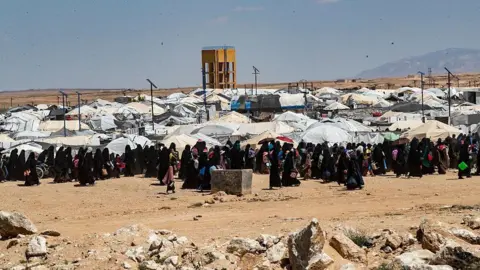
Additionally, a range of civil and educational rights for Kurdish people were recognized, ensuring the return of displaced individuals to their homes. Control over key resources such as prisons and oil fields was transferred to Damascus, marking a significant shift in control dynamics. Syrian troops have already taken control of the Omar oilfield and the strategic Tabqa dam.
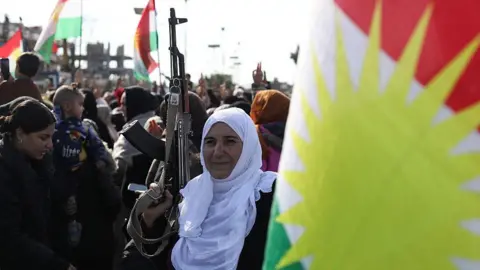
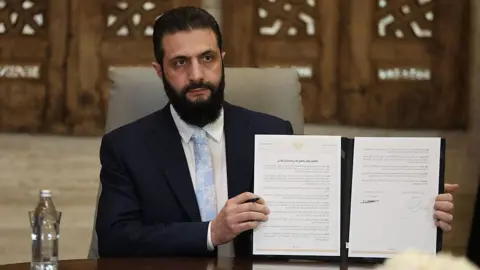
The Kurdish-led forces had previously controlled nearly a third of Syria's territory with U.S. support during the fight against the Islamic State (IS) group. The recent losses signify the most substantial control transition in Syria since the downfall of former leader Bashar al-Assad in December 2024, ultimately concluding a lengthy civil war. Following the ceasefire, Syrian President Ahmed al-Sharaa expressed hopes for a unified Syria moving forward, alongside a decree recognizing Kurdish cultural and linguistic rights.
U.S. envoy Tom Barrack called it 'a profound and historic milestone in Syria's journey toward national reconciliation, unity, and enduring stability.' Earlier this month, following major territorial losses, the SDF agreed to a ceasefire that saw much of its hold brought under government control, but reports of clashes continued.
Much like the 14-point agreement, Friday's deal includes SDF withdrawal from points of contact, the integration of its members into the Syrian army, and the merging of its administrative and civil bodies into those of the state. The agreement also stipulates the formation of a military division made up of three brigades consisting of SDF members.
Additionally, a range of civil and educational rights for Kurdish people were recognized, ensuring the return of displaced individuals to their homes. Control over key resources such as prisons and oil fields was transferred to Damascus, marking a significant shift in control dynamics. Syrian troops have already taken control of the Omar oilfield and the strategic Tabqa dam.
The Kurdish-led forces had previously controlled nearly a third of Syria's territory with U.S. support during the fight against the Islamic State (IS) group. The recent losses signify the most substantial control transition in Syria since the downfall of former leader Bashar al-Assad in December 2024, ultimately concluding a lengthy civil war. Following the ceasefire, Syrian President Ahmed al-Sharaa expressed hopes for a unified Syria moving forward, alongside a decree recognizing Kurdish cultural and linguistic rights.