Hollywood’s Young Stars Let Go of Their Father’s Surname
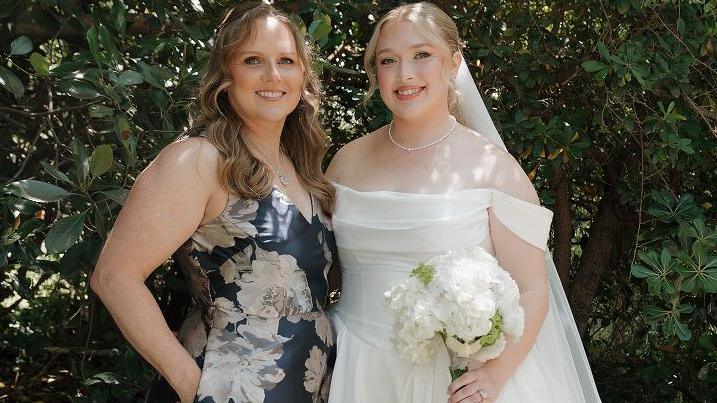
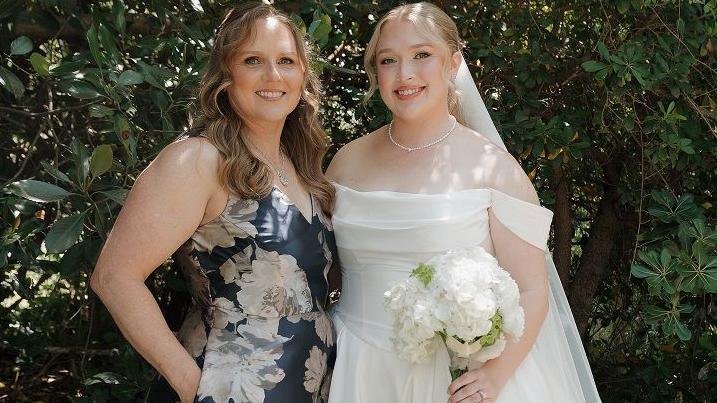
For more than a decade, Hannah Leonard had been known by two surnames. On social media, in sports rosters, and in everyday life she was Hannah Leonard—sharing her mother’s maiden name. Legally, however, she carried her father’s last name.
Having grown up estranged from her dad since their divorce when she was a toddler, she often said she hadn’t seen him in seven years. The name reminded her of a relationship that had largely vanished. In May, the 25‑year‑old California resident legally changed her surname to Leonard‑Ripley, combining her mother’s maiden name and her newly‑wedded husband’s surname.
The name change saga came to light the same month when the adopted children of Angelina Jolie and Brad Pitt—Zahara Marley Jolie‑Pitt (21) and Maddox Chivan Jolie‑Pitt (24)—filed documents to remove their father’s surname from their own. Both have already used the surname Jolie, with Zahara during her graduation ceremony and Maddox in professional credits.
Their court hearings to finalize the change are scheduled for September, after a publication period in a local paper of four weeks required in California.
These actions underline a broader trend: young adults who have been estranged from a parent are using legal name changes as a way to disassociate and reclaim identities that feel more authentic to them. Psychologists note that a name can be a powerful symbol of belonging or alienation.
The costs vary. In California, for example, the filing fee was $400, with an additional $130 for newspaper adverts—a requirement the applicants found oddly outdated. In England, Wales, and Scotland, the price ranges from a few hundred pounds for a deed poll to over £50 via the High Court if a public record is desired.
Both legal processes involve updating all documents—from passports and driving licences to bank accounts and GP records—to reflect the new surname.
While Hannah publicly said she had no emotional tie to the former surname and found it confusing to juggle two names, the broader narrative highlights how naming can be tied to identity, love, and the desire for psychological release. “I want my name to reflect the love that surrounds my life—my mother’s and my husband’s,” she said.
The story of the Jolie‑Pitt family continues as their youngest daughter, Shiloh, had already changed her surname to Jolie in 2024. The family, their divorce in 2016, and the impact on their children are now a newly examined public record.
No matter the reason, the decision to drop a surname carries both emotional resonance and administrative work—illustrating the personal and legal intersections of identity in the modern age.