
In brief
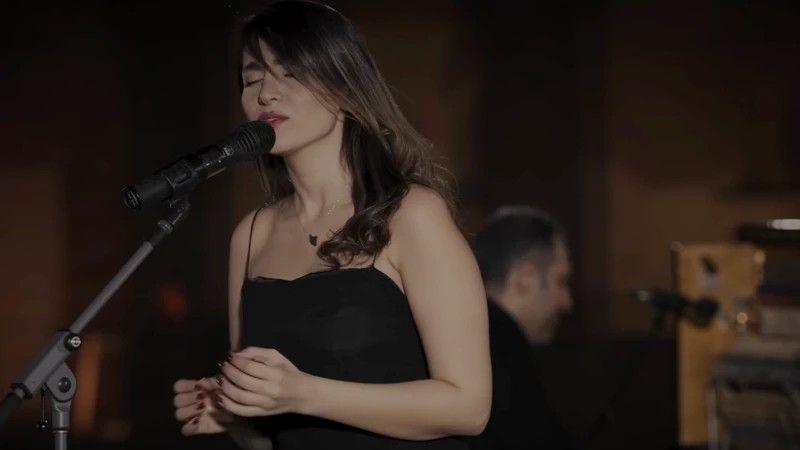
An Iranian appeals court has ratified a sentence of 74 lashes for 29‑year‑old singer Parastoo Ahmadi after she performed in a sleeveless dress without a hijab during a December livestream. The ruling, following a criminal court judgement that also barred Ahmadi and her team from leaving the country, was rejected by the defendant’s lawyers who argued the crime was merely a performance. The case inflamed hate over Iran’s stringent dress code and has been seen as a stark reminder of the country’s harsh penalties for perceived moral offences, echoing the 2024 crackdown on Mahsa Amini‑style protests, and has drawn condemnation from human‑rights organisations worldwide.
Iran Court Upholds 74 Lashes for Singer Singing Without Hijab – The Supreme Court has refused to overturn a criminal sentence that forces 29‑year‑old Parastoo Ahmadi to receive 74 flogging strokes for a December livestreamed concert without a hijab.
Ahmadi, whose performance was captured beneath a sleeveless dress in a televised livestream that attracted millions of viewers, was charged with violating Iran’s strict public decency laws that compel women to wear headscarves and loose clothing in public.
Following the viral video the judiciary filed charges against Ahmadi and eight associates, citing “offending public decency” and “obscene material.” The trial court handed down 74 lashes, a two‑year travel ban and a complete prohibition on all audiovisual activities.
The defendants appealed, but the Court of Appeals rejected the appeal without a hearing, noting that the harsh punishment was intended as a deterrent for similar acts.
A lawyer remarked that the performance “was not a crime” and that lighter penalties existed, but the court chose a punitive approach to signal that the state will no longer tolerate perceived moral breaches.
The decision provoked swift condemnation from artists, human‑rights groups and the international community, including Amnesty International, which denounced flogging as a cruel and degrading punishment.
The case echoes recent flogging of Kurdish‑Iranian activist Roya Heshmati and the wave of protests sparked by Mahsa Amini’s death in 2022, when women publicly challenged Iran’s mandatory hijab and faced violent state reprisals.
All these events illustrate Iran’s fragile balance between its ideological enforcement of public morality and the growing demand for personal freedoms amid economic hardship and international isolation.
