In brief
Iran has firmly rejected the 15-point peace plan proposed by US President Donald Trump, citing a lack of alignment with Tehran's own conditions for resolving the conflict that escalated on February 28. The Iranian government outlined five key requirements, including reparations for damages and a complete halt to foreign aggression, contrasting sharply with the US proposals that call for measures such as non-proliferation commitments and territorial control over the vital Strait of Hormuz. The diplomatic stalemate persists as tensions between the two nations deepen amidst military escalations.
Iran has rejected US President Donald Trump's 15-point plan to end the war, according to state-run Press TV. The report cited an unnamed 'senior political-security official' outlining five of Tehran's own conditions for peace, including the payment of reparations for damages caused by the conflict.
These Iranian conditions markedly differ from Trump's proposals, which emerged via Israel's Channel 12. Trump's blueprint includes demands for Iran to refrain from building nuclear weapons and to reopen the strategically vital Strait of Hormuz.
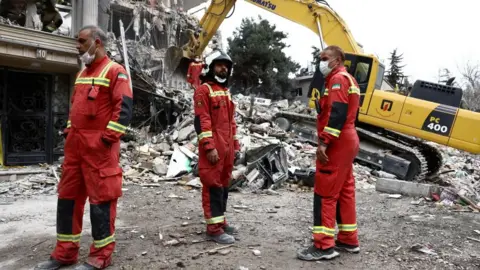
The ongoing conflict escalated with US and Israeli airstrikes on February 28, prompting Iran to respond by targeting American allies in the region.
Trump stated that Iran was 'desperate' for negotiations and suggested that Iranian negotiators have offered a 'significant prize' related to oil and gas in the talks. However, Iran's parliament speaker firmly denied any ongoing dialogue with the US, labeling it as misinformation aimed at manipulating global markets.
Iran's counter-proposals focus on a complete cessation of foreign aggression, mechanisms to prevent the reimposition of war, and reparations for damages incurred during the conflict. Tehran also seeks assurance that its sovereignty over the strategic Strait of Hormuz remains unchallenged.
The situation remains tense as both sides navigate a complex landscape of diplomatic and military maneuvers.