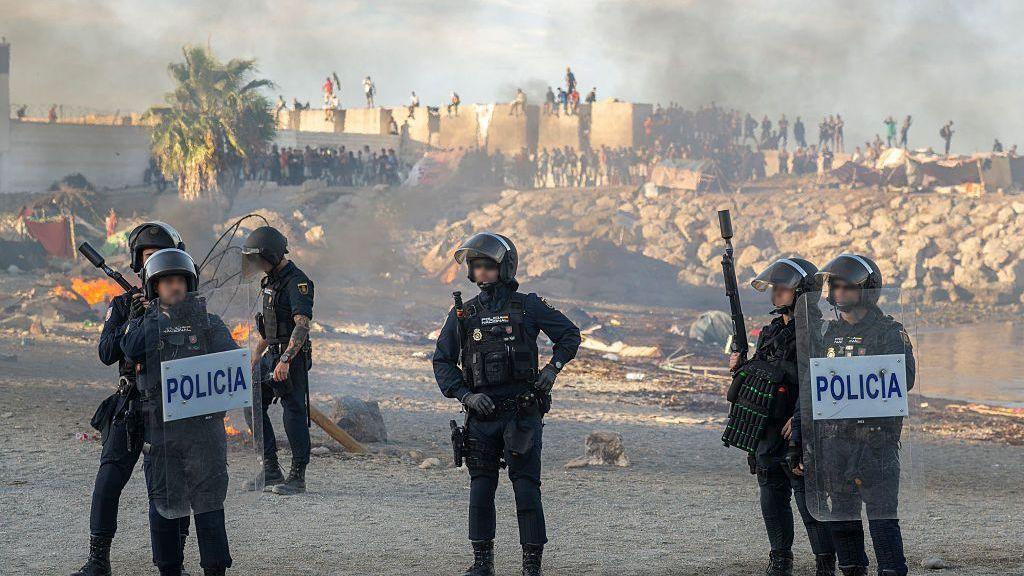
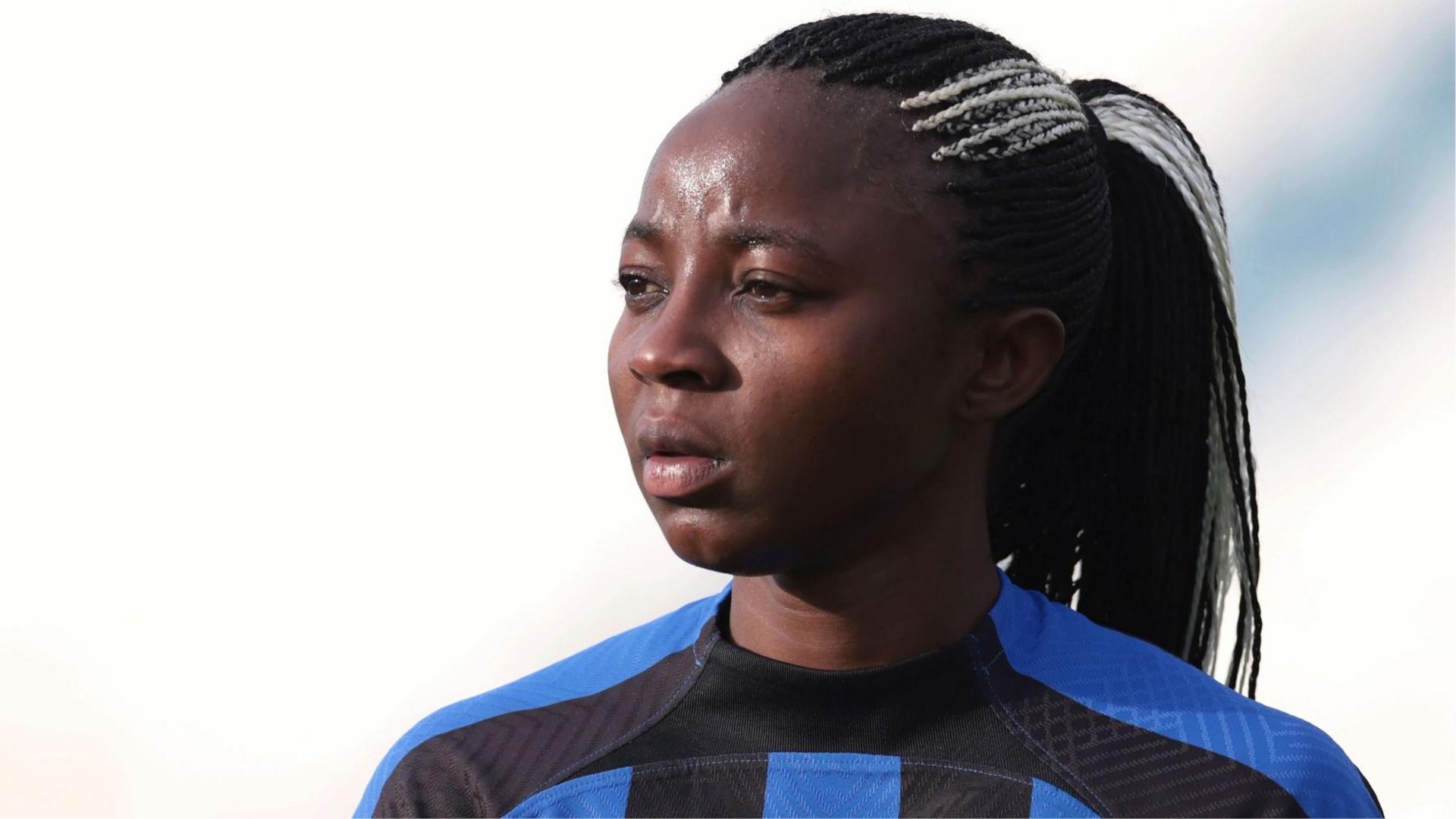
Lupita Nyong'o has condemned the Kenyan government's handling of recent anti-tax protests, highlighting severe police brutality and drawing on her family's past experiences. The protests, met with deadly force, have resulted in numerous casualties and abductions, sparking international concern. Nyong'o, whose father was previously jailed under a repressive Kenyan regime, criticized current tactics as chillingly reminiscent of those dark times. In response to the outcry, the government has noted that it regrets any deaths during the protests and emphasized that official police statistics are the only credible source of information. The protests were ignited by controversial tax reforms in a finance bill, which the government has since addressed to some extent. Nyong'o, now an Oscar-winning actress residing in the U.S., remains committed to raising awareness about Kenya's struggles and the broader African narrative through her podcast "Mind Your Own." This podcast aims to share untold stories from across Africa, focusing on resilience and the unique experiences shaping the continent.
Lupita Nyong'o Calls Out Police Brutality in Kenya Amidst Anti-Tax Protests

Lupita Nyong'o Calls Out Police Brutality in Kenya Amidst Anti-Tax Protests
Actress Lupita Nyong'o criticizes the Kenyan government's harsh response to recent anti-tax protests, urging attention to human rights.
Lupita Nyong'o, known for roles in "12 Years a Slave" and "Black Panther," has openly criticized the Kenyan government's response to anti-tax protests that began in June. These demonstrations have been marred by police brutality, with numerous deaths and abductions reported. Nyong'o's comments are personal; her father, Anyang' Nyong'o, was previously jailed and tortured under President Daniel arap Moi's regime. Despite the government's assertion that it's addressing protester demands, including adjustments to a controversial finance bill, Nyong'o describes its actions as "upsetting" and reminiscent of past abuses. Her storytelling podcast, "Mind Your Own," shares African stories that highlight both resilience and everyday struggles, emphasizing the importance of diverse African narratives.