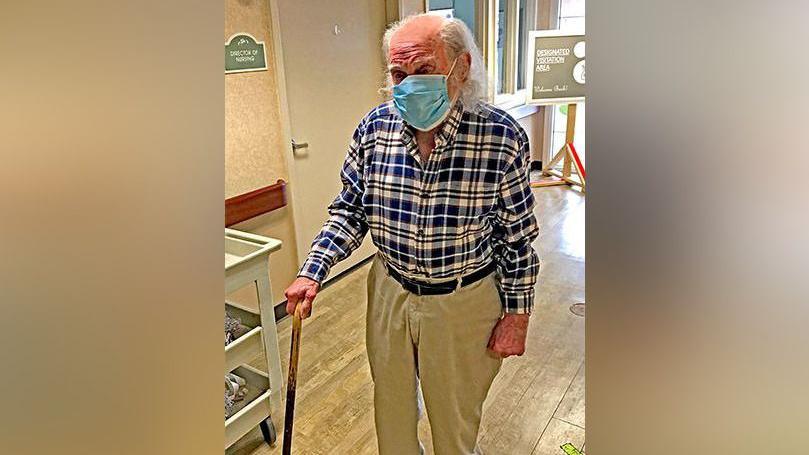
Japan's dementia care crisis deepens, with more than 18,000 elderly individuals wandering off in the past year alone—almost 500 were later found dead. Such alarming trends underline the burdens placed on one of the world's oldest societies, exacerbated by a shrinking workforce and strict immigration policies limiting care support.
As the government braces for dementia-related health and social care costs to soar to 14 trillion yen ($90 billion) by 2030, emphasis on technological innovation has become the centerpiece of its strategy. Initiatives like GPS systems are being employed nationwide to monitor individuals prone to wandering, employing wearable tags that notify authorities instantly if a person strays from designated areas.
In tandem, advancements in robotics and artificial intelligence are emerging. Fujitsu's aiGait technology aims to detect early signs of dementia through gait analysis, while Waseda University is making strides with AIREC, a humanoid robot designed to assist patients with daily tasks. These innovations reflect a growing commitment to integrate technology into elder care to alleviate the strain on human caregivers.
While a variety of robotic solutions have been introduced, including ones that keep individuals engaged or assist with routine activities, experts emphasize the critical need for human interaction. The Restaurant of Mistaken Orders in Tokyo serves as a unique example, providing people with dementia the chance to engage meaningfully by working as servers—a reminder of the vital blend of technology and community support in addressing dementia care.
As Japan navigates this crisis, the convergence of technology and human compassion may pave the way for more comprehensive and supportive caregiving solutions.