
In brief
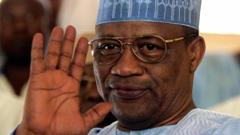
Ibrahim Babangida, known as IBB, shares poignant recollections and controversial decisions from his time in power, encouraging a dialogue about Nigeria's past.
Nigeria's former military leader Ibrahim Badamasi Babangida, often referred to as IBB, has opened a window into his rule from 1985 to 1993 through his newly released autobiography, "A Journey In Service." The book has ignited discussions among Nigerians regarding pivotal moments in the nation's history, especially the famed annulment of the 1993 elections and the subsequent turmoil that followed. Babangida, now 83, expresses regret for this annulment, which many believe deeply impacted Nigeria's democracy. One of the book's central themes is the 1993 elections, a critical juncture that many argue remains unresolved in Nigeria’s political narrative. Babangida reveals for the first time a profound remorse for cancelling the elections, which were set to end a decade of military governance. His admission highlights the continuing significance of June 12, now celebrated as Democracy Day in Nigeria. Reflecting on this, President Bola Tinubu praised Babangida for his brave acknowledgment of the past. The book also reminisces about Babangida's poignant reflections on the execution of General Mamman Vatsa, a childhood friend convicted of a coup attempt. Their close relationship is overshadowed by Babangida’s harrowing decision to choose national stability over friendship. He admits to the feelings of jealousy that existed between them, revealing a complex and tragic friendship. Additionally, Babangida addresses the infamous 1966 coup that led to the assassination of Nigeria's first Prime Minister, Abubakar Tafawa Balewa. He challenges the narrative surrounding the coup's ethnic implications, noting the involvement of various ethnic groups in its execution, while highlighting the turmoil it caused, which ultimately contributed to Nigeria's devastating civil war. Moreover, Babangida shares intimate thoughts regarding his late wife, Maryam Babangida, emphasizing their deep bond and her significant role as Nigeria's First Lady. He fondly recalls their marriage, solidified by mutual respect and understanding, marking it as a cornerstone of his life. As Nigerians engage with Babangida's revelations, the book serves not only as a personal memoir but also a catalyst for reflection on the nation's past, asking what might have been had history taken a different path.



