
In brief
The EU faces tough negotiations as it aims to balance economic interests against the looming threat of a trade war initiated by the US, with wide-reaching consequences for industries across Europe.
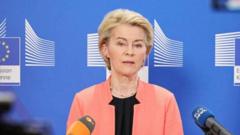
European Commission President Ursula von der Leyen has issued a stark warning: the recent announcement of a 20% blanket tariff from the US is a "catastrophe for the economic world." This declaration came after several European leaders, cautious of a predicted trade conflict under then-President Donald Trump, were jolted into action. The EU, representing its 27 member states, is determined to engage in discussions with the US while simultaneously preparing for potential retaliatory measures.EU Trade Commissioner Maros Sefcovic has scheduled meetings with his US counterparts to negotiate tariffs. He reassured that the EU would respond with caution and coherence. Italian Prime Minister Giorgia Meloni, who appeared initially hesitant, summoned an emergency summit given Italy's substantial exports amounting to €1.6 billion in agrifood and €2 billion in wine to the US.In Spain, Prime Minister Pedro Sánchez refuted Trump's erroneous claim of a 39% tariff by clarifying it to be only 3%. He criticized the US's actions as baseless protectionism that would ultimately be detrimental to the US economy as well. Consequences of the tariffs loom large; the Spanish Chamber of Commerce foresees a 14% reduction in exports, particularly in machinery and electrical equipment. In Slovakia, heavy industrial export reliance may cause a significant dip in economic growth, while Poland's economy risks a 0.4% decline this year. France's wine and spirits sector, particularly vulnerable, anticipates a €1 billion loss.Companies from large corporations like Adidas to small family businesses such as Rocco Mangiaracina's olive oil production are grappling with uncertainty. Their businesses are at risk due to delayed orders and market instability, leaving many in a state of limbo as they await EU countermeasures.Germany's acting chancellor Olaf Scholz expressed concerns over this unprecedented attack on global trade, emphasizing the strength of Europe's market comprised of 450 million consumers. The EU has indicated immediate plans to retaliate with its own tariffs on US goods starting mid-April, amounting to €26 billion, coinciding with a pending larger package of measures.There are potential implications beyond traditional goods; the EU is poised to include sanctions on US digital services, indicating a proactive stance in discussions. Peter Dige Thagesen, a geopolitics expert, cautioned that tariffs could hit smaller exporting companies hardest, emphasizing the need for Europe to maintain negotiations to sidestep exacerbating trade tensions. While the majority of EU leaders condemned the tariffs, Hungary's Foreign Minister pointed fingers at the EU's leadership capabilities, highlighting a division within the bloc. Meanwhile, Norway's Prime Minister Jonas Gahr Store expressed concerns over the collateral damage from these tariffs impacting Norwegian jobs and exports. As Europe establishes its strategy, the looming reality of a trade war creates a climate of uncertainty, with significant repercussions for businesses and economies involved.

