
In brief
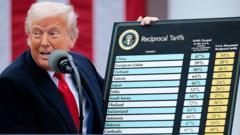
In the wake of President Donald Trump's recent announcement of 20% tariffs on EU goods, European leaders have expressed strong opposition, denouncing the move as detrimental to global trade. German Chancellor Olaf Scholz criticized the tariffs as "fundamentally wrong," while Spain's Prime Minister Pedro Sánchez labeled them a unilateral attack. French President Emmanuel Macron described the tariffs as brutal and unfounded, emphasizing their potentially massive impact on the European economy.
In response, Macron has called for an emergency meeting with representatives from sectors primarily affected by the tariffs, warning EU businesses against investing in the US until the situation is clarified. Key sectors including the aeronautical industry, luxury goods, and premium beverages like French wine and champagne now face threats of significant tariffs, which could drastically affect their sales in the US market.While the typical focus is on automotive and luxury goods, other unexpected sectors are also vulnerable. French cognac, which maintains a strong foothold among American consumers, could see a dip in exports due to new tariffs, while Spain risks losing its significant gas turbine and olive oil exports to the US. An analysis indicates countries where the GDP is heavily reliant on the US market, such as Ireland, which depends on its pharmaceutical and tech industries.Amid these rising tensions, EU officials in Brussels are coordinating a response. Commission President Ursula von der Leyen has asserted that the EU has substantial leverage to negotiate and may consider targeting US service sectors, including major tech firms like Apple and Amazon. However, the EU is cautious about escalating the conflict, balancing political considerations alongside economic impacts.As EU leaders navigate this challenging landscape, discussions are underway to find negotiation points with the Trump administration. Possible offers may include increased purchases of US liquefied natural gas and military equipment. However, fulfilling such requests could challenge existing EU commitments to boost its internal industries and maintain competition.Amid ongoing concerns about a potential trade war and the stability of international trade agreements, EU officials also look inward. They seek to bolster the internal EU market by reducing varying national barriers that hamper overall economic competitiveness.As tensions continue, the EU's strategic calculations aim to stabilize its economy and maintain constructive relations with the United States, all while navigating an increasingly uncertain global trade environment.

