
In brief
Bangladesh's recent decision to revive relations with Pakistan, including trade agreements and military cooperation, has raised concerns in India, where officials scrutinize the implications of shifting alliances in South Asia.
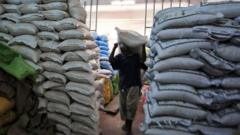
Amid a backdrop of political change, Bangladesh's approach toward Pakistan is witnessing a surprising revival, sparking apprehension in neighboring India. Following Prime Minister Sheikh Hasina's ousting last year, relations between Bangladesh and Pakistan began to thaw, evidenced by Dhaka's recent import of 50,000 tonnes of rice from Islamabad—the first direct trade between the two nations after years of hostilities.The reestablishment of diplomatic ties is significant given the historical animosity stemming from the 1971 Bangladesh Liberation War. During that conflict, India played a pivotal role in supporting Bengali independence efforts against the then East Pakistan, a relationship now overshadowed by ongoing dynamics. The renewed cooperation comes as both nations engage in military dialogues, high-level meetings, and direct commercial exchanges, signifying a shift from previous policies. "We are witnessing a restoration of a more amicable relationship," noted Humayun Kabir, a former high-ranking diplomat from Bangladesh. Reportedly, the rekindling of ties aims to create a counterbalance against India's influence in the region.Tensions between Bangladesh and India have intensified since Hasina's departure, leading to India's reluctance to comply with Dhaka's demands concerning her extradition on charges of corruption and human rights violations, which Hasina denies. Experts see the evolving Bangladesh-Pakistan partnership as a strategic maneuver, prompting concerns regarding possible military reciprocity and the engagement of Bangladeshi Islamist factions.Despite India's vigilance, Bangladeshi diplomats maintain that engagement with Pakistan is essential for broader regional cooperation and trade advancement. Nonetheless, historical grievances—particularly demands from Bangladesh for an apology from Islamabad regarding the 1971 atrocities—linger like an unresolved specter, complicating the reconciliation process.As bilateral trade possibilities remain constrained by tariffs and logistical hurdles, both nations are looking towards future dialogues to cultivate economic relationships. Any sustainable rapprochement also requires careful navigation of historical narratives, as observers emphasize that both sides need to address past transgressions to foster genuine partnership.With Bangladesh's upcoming general elections set to shift its political landscape, the implications of these emerging alliances will be closely monitored by India, which sees a stable, friendly Bangladesh as critical to its own regional security strategy.
