In brief
Nathaniel Qainoo, a former accountant now working as a mechanic, encapsulates the struggles many Ghanaians face as the country approaches pivotal presidential elections amidst a severe economic crisis.
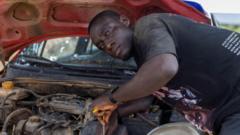
Nathaniel Qainoo, a 29-year-old mechanic from Kasoa, Ghana, symbolizes the plight of many young people as the nation gears up for presidential and parliamentary elections. Having struggled to find work as an accountant since graduating five years ago, he finds himself swapping a calculator for a spanner under the shade of a mango tree. With the economy gripped by a deep crisis since 2022, characterized by skyrocketing inflation and a significant devaluation of the cedi, Qainoo's sentiments are shared across the nation. He expressed his frustration while stating, "I don't know how this country is going to be saved from this crisis," indicating he has no plans to vote on Saturday.Ghana's economic challenges have heightened since the government defaulted on its debt repayments, leading to a $3bn bailout from the International Monetary Fund (IMF). This economic fallout has left the country with an unemployment rate of 14% and many young Ghanaians contemplating emigration. Among those running for the presidency, the two leading candidates are former President John Mahama of the National Democratic Congress (NDC) and Mahamudu Bawumia of the ruling New Patriotic Party (NPP). Mahama seeks to return to power, while Bawumia aims to step into the presidency after serving as vice-president. Bawumia, a former economist, faces the weight of incumbency as he navigates criticisms regarding the collapsing economy. Attempting to distance himself from his predecessor, he emphasizes the importance of moving forward and revitalizing Ghana's economy through his proposal of a "digital economy." Bawumia's campaign is marked by the slogan "It is possible," and he promises to create jobs by training young people in tech and launching a digital economy hub.Meanwhile, Mahama's campaign slogan calls for a "reset," arguing that the economy did not suffer catastrophic failure under his past leadership, despite previous criticisms regarding power outages during his tenure. His vision includes creating a 24-hour economy, a shift echoed by progressive economies worldwide.As both candidates focus on alleviating the cost-of-living crisis, they propose tax cuts as a solution. However, economic experts express skepticism about the feasibility of these promises, given Ghana’s commitments to the IMF program, which calls for revenue enhancement and expenditure cuts. Polls show a competitive race, with Mahama holding a slight lead over Bawumia—a situation that could require a runoff if neither candidate surpasses the 50% threshold. As Ghanaian youth like Qainoo grapple with their uncertain futures, the outcome of this electoral contest will shape the nation's trajectory in the coming years.