Low Danube Waters Unearth WWII German Soldiers and Motorcycle
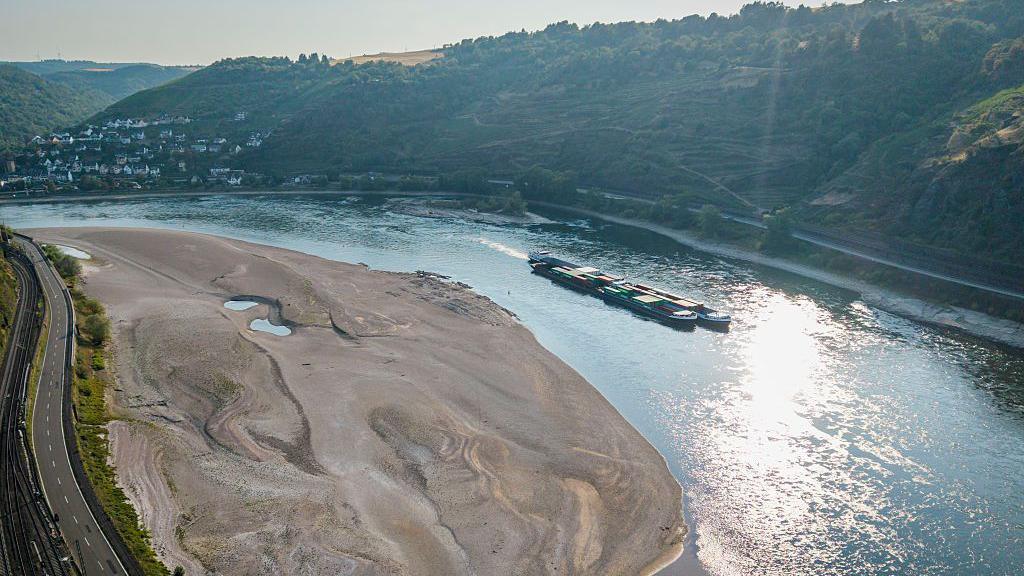
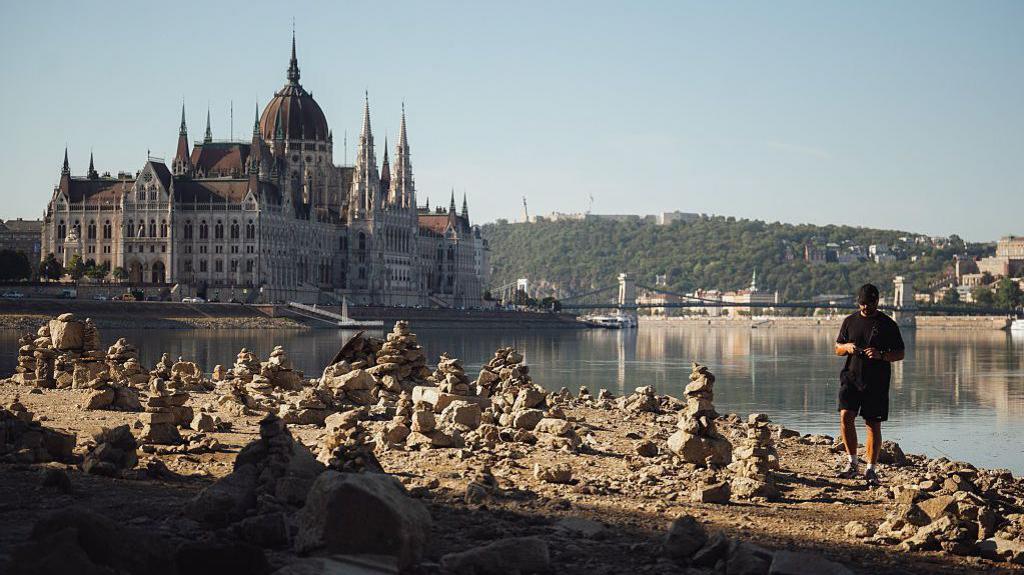
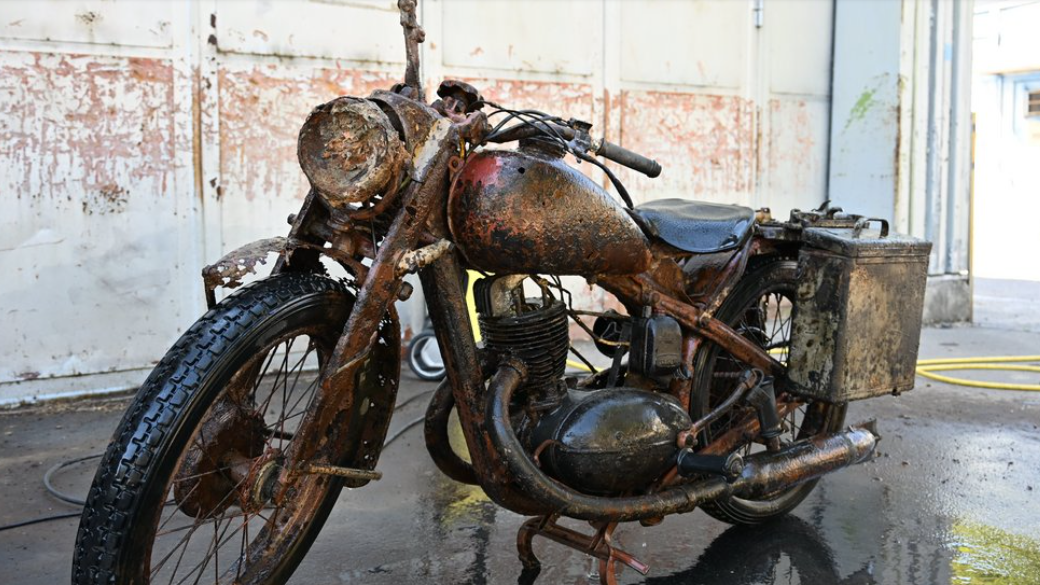
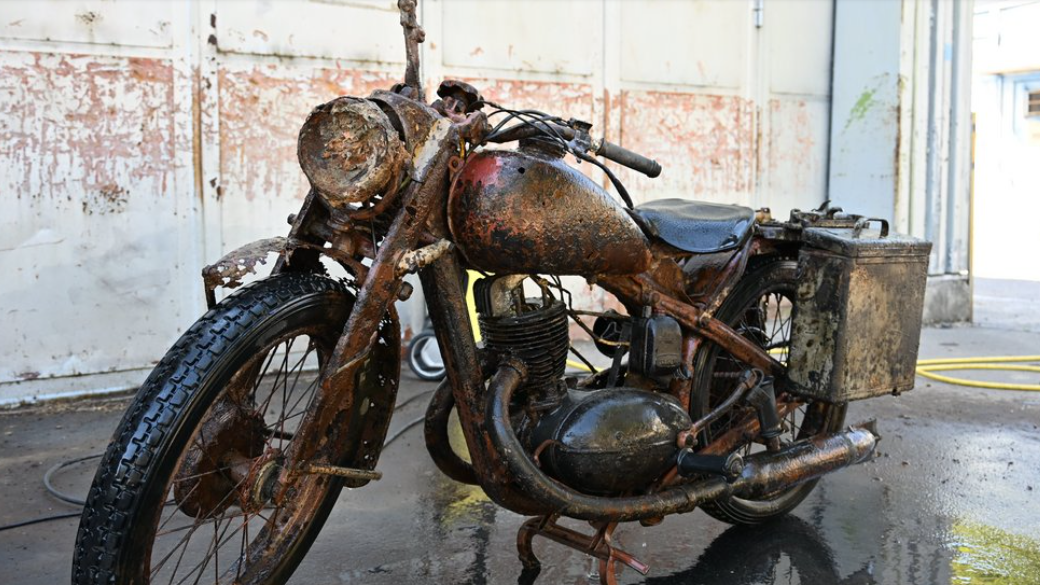
Record‑low levels in the Danube, caused by an intense drought, have dredged up the bodies of two German soldiers who fought in Budapest during World War Two. The finds also include their identification tags, a largely intact DKW NZ 350‑1 motorcycle, a wedding ring and a Kuban shield, a combat badge used by the Wehrmacht.
The German War Graves Commission confirmed that the remains were identified through the ID tags. One tag belongs to a Wehrmacht soldier, while the other is linked to a member of the Waffen‑SS, a unit declared criminal by the Nuremberg Trials.
The commission has begun a careful investigation to ascertain the exact identities of the two soldiers, a process that will involve verifying the ID tags, analysing bone samples and cross‑referencing historic records. While the names are expected to surface quickly, complete confirmation will take time as the commission gathers further evidence.
The discovery has sparked hope among families who have waited in vain for official notification of their loved ones’ deaths. The commission invites anyone with a missing relative to consult its online database, hoping that the new evidence will close decades‑old gaps.
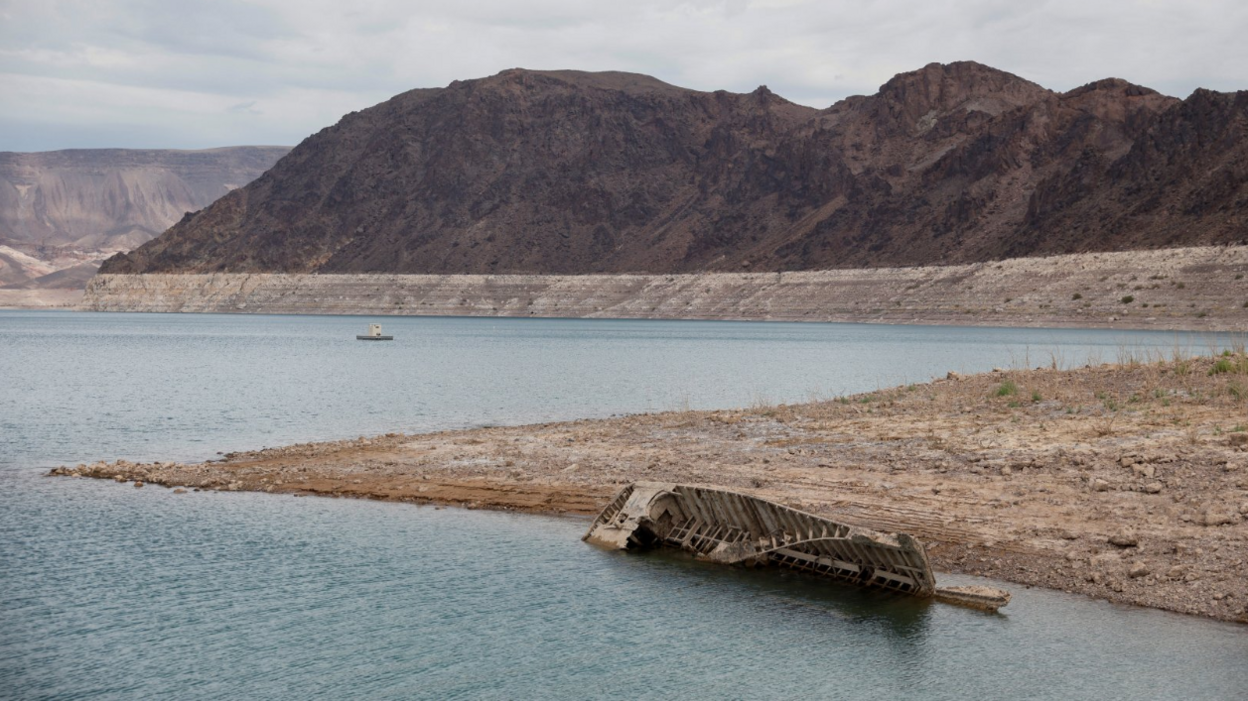
The soldiers will be escorted to the German war cemetery in Budaörs, just outside the capital, where they will receive a dignified burial. Their find adds to a growing list of wartime artefacts that have resurfaced in the Danube during the current drought, including a fragmentary ship hull near Prahovo in Serbia.
As the Danube struggles to retain its volume, historians and emergency services are working together to secure sites that could still hold unrecovered artefacts or potential hazards such as anti‑tank mines. The German War Graves Commission stresses the importance of careful handling to preserve historical integrity while ensuring public safety.