
In brief
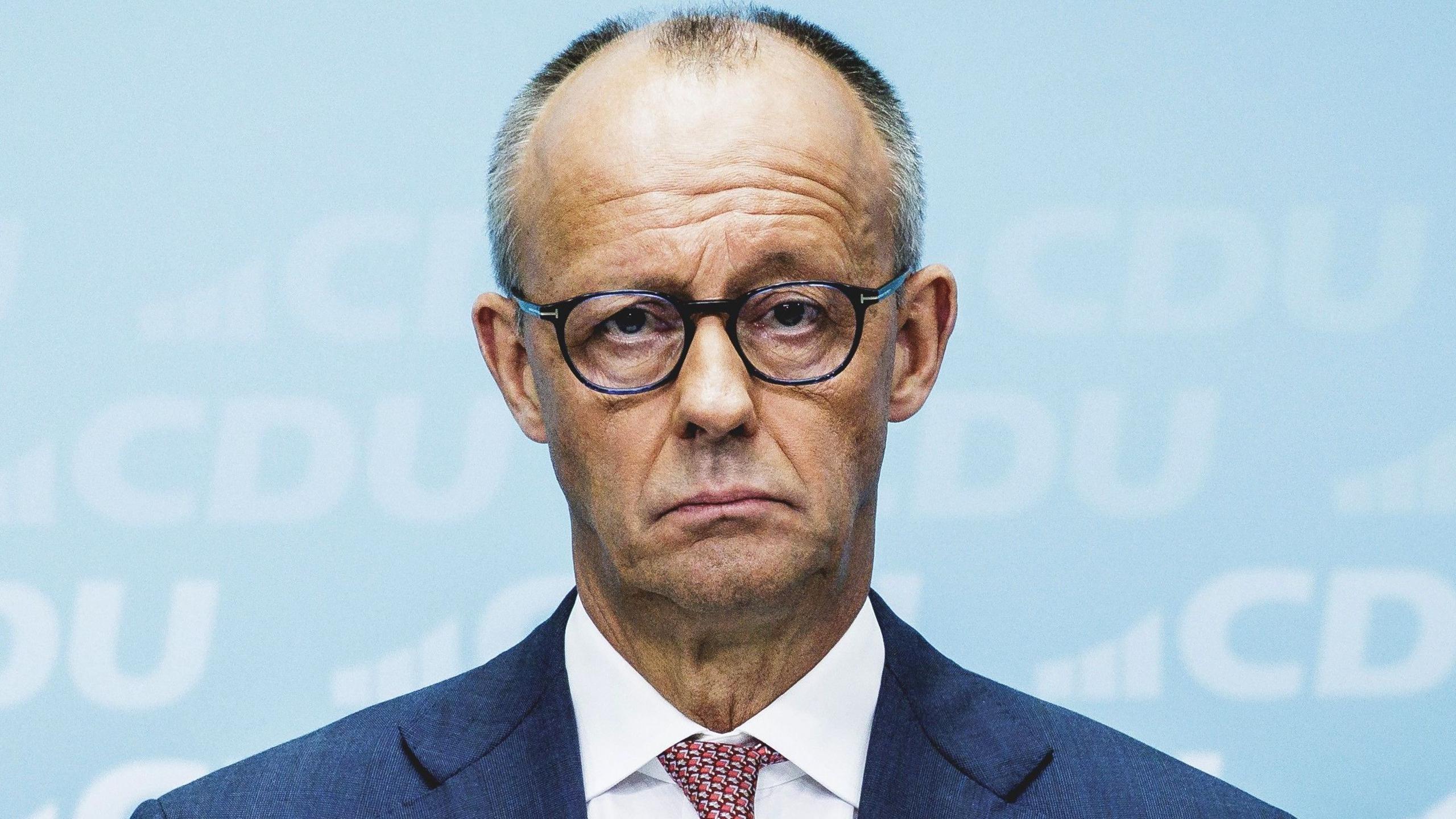
The recent swathe of local elections has unsettled Germany’s centre‑right coalition, with the far‑right Alternative für Deutschland making surprising gains. Chancellor Friedrich Merz, who took office in 2025, now faces low approval ratings and a perception of being out of touch. Voters feel the nation’s long‑standing pillars of order and efficiency are eroding, signalling a broader identity crisis. While CDU‑CSU leaders push for reforms and stronger communication, the election outcome indicates a deeper societal shift that could challenge the government’s stability.
Merz scrambles to gain allies as German elections shake the coalition government.
The string of local polls has left the CDU‑CSU bloc rattled, with the far‑right Alternative für Deutschland (AfD) catching ground in key states.
Merz, who campaigned on tough immigration rules and economic revival, now counters low approval ratings and a growing perception that he is out of touch.
Experts say the unrest reflects a wider identity crisis, as voters question Germany’s traditional pillars of order, efficiency and unity.
While the party leadership pushes for rapid reform and better communication, the election results signal a deeper shift that the current coalition may struggle to contain.
