
In brief
As the spring planting season begins, farmers like Doug Bartek are troubled by escalating production expenses primarily driven by high fuel and fertilizer prices. Compounded by tariffs and the ongoing Iran conflict impacting trade and costs, many Midwest soybean producers are facing significant financial challenges. Experts predict a continuation of low soybean prices due to global supply issues and analyze the broader implications for farming operations in the region.
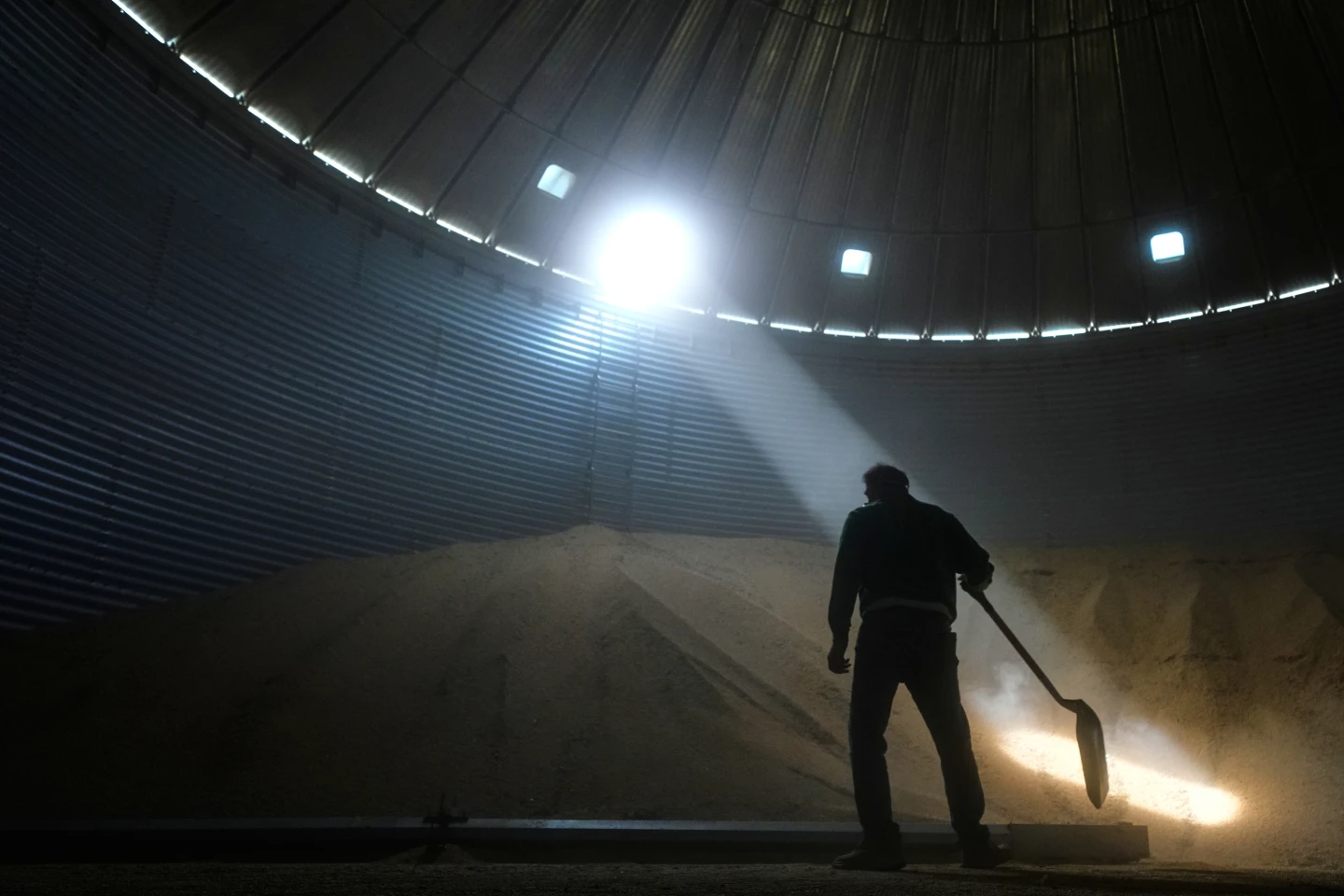
WAHOO, Neb. (AP) — Strong winds whipped around Doug Bartek, a fifth-generation farmer, as he headed into a grain bin to shovel soybeans onto a conveyor chute. The 60-year-old was anxious at the onset of the spring planting season, rattling off the long list of issues affecting his family’s livelihood at their 2,000-acre farm near Wahoo, Nebraska.
The high cost of fuel, equipment, and fertilizer — compounded by the Iran war — and also tariffs, perceived “price gouging” by suppliers, and low soybean prices driven by a global supply glut. All of it weighs on Bartek, who is chairman of the Nebraska Soybean Association.
“Our biggest struggles are our inputs, be it fertilizer, seed, chemical, parts,” Bartek said. “There has been so much drastic markup in all of these. And I just kind of feel like the farmer’s kind of painted in the corner.”
[...]At times, Bartek doubts his own decision to go into farming. He’s also worried about his son, who purchased a farm a few years ago.
Bartek wonders: “Did I do the right thing helping him get into farming?”
___
Kelety reported from Phoenix.
___
This story is a collaboration between Lee Enterprises and The Associated Press.

