Mother and newborn survive Venezuela rubble after twin earthquakes
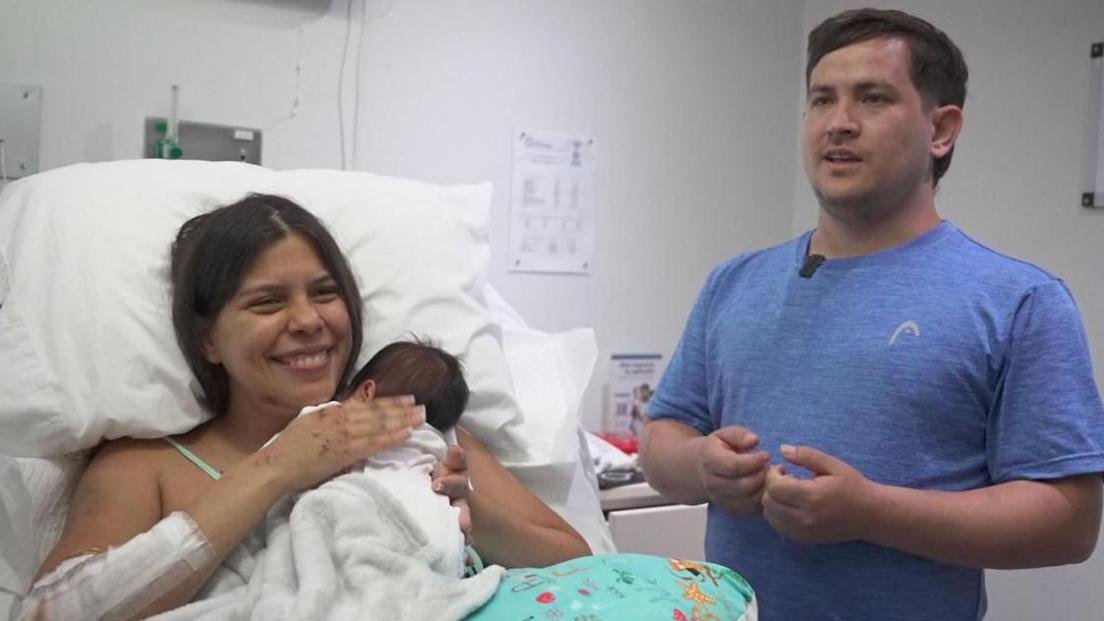
On 29 June, Caracas was rocked twice by devastating earthquakes that crushed the neighbourhood of La Guaira. In the eighth‑floor apartment of Dayana Patino, the tremors collapsed the building, trapping the mother and her 18‑day‑old son, Juan David, beneath layers of concrete and debris.
"As long as he was alive, I was going to be alive," Patino told the BBC. She held Juan close, listening for his breathing and hoping the baby’s presence would keep her conscious. While her leg was trapped under concrete and her head was slammed into a stone, she stayed calm, slamming her left leg against the rock while she kept her mind alert. “I am not going to waste my energy – I will scream only when it really matters,” she said.
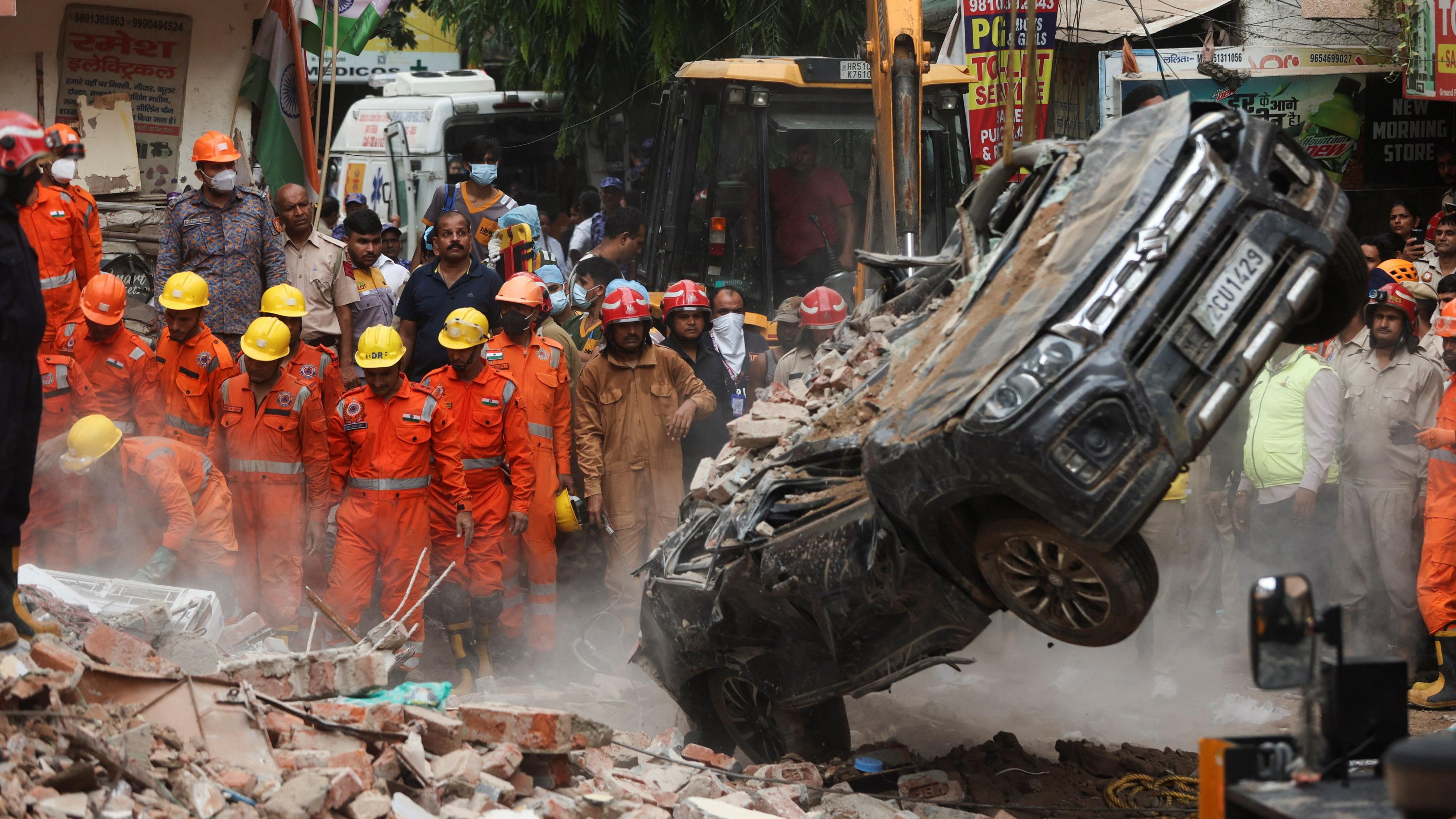
The rescue operation, which began at night, followed the lead of Patino’s brother, who repeatedly called her name. When the team found the mother and baby, coordinated with a delicate lifting of rubble, they emerged into daylight. The footage of the rescue went viral, and Juan David became a symbol of hope for a country that has lost at least 1 450 lives and is still missing tens of thousands.
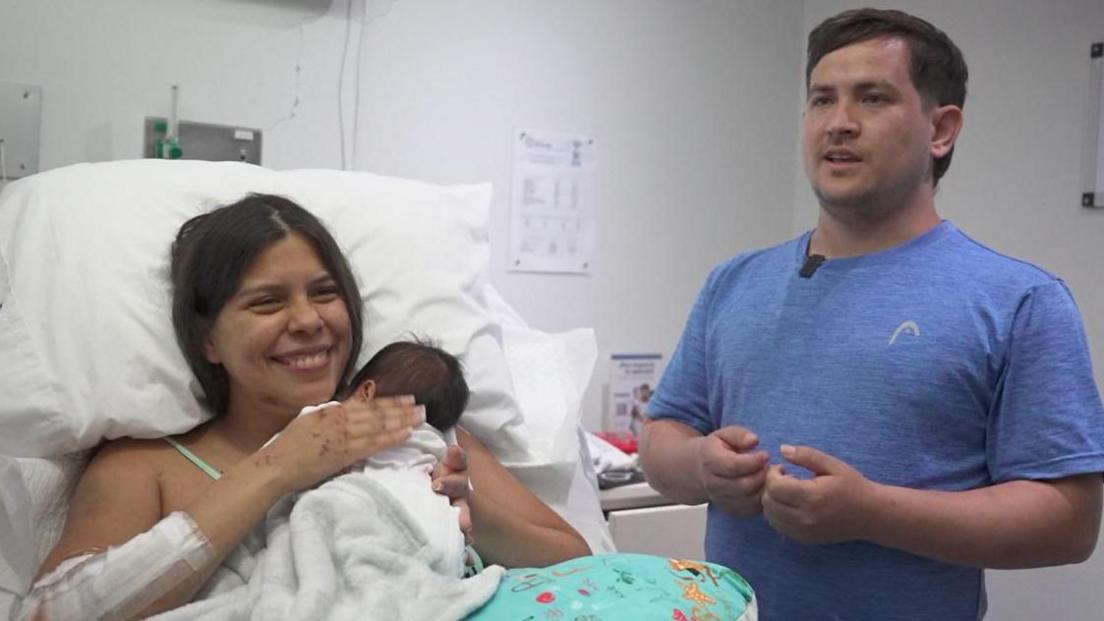
Hospital visits in Caracas confirmed that Juan sustained only minor injuries, while Patino suffered fractures in both legs. Gerson Patino – the husband, who had returned home just before the landslides – described the moment of rescue as “indescribable” and said: “I felt the life come back to me.” His words now echo across social media where people pace a new commitment to rebuild the home and reclaim their pets that are still missing.
With the backdrop of a “most brutal natural catastrophe” that has left the Venezuelan government scrambling, rescue workers continue to scour the shattered streets. Despite diminishing hope of finding more survivors, the nation’s focus has shifted to community unity and the promise of a new beginning for families like the Patinos.