In brief
General Min Aung Hlaing's ascension to the presidency follows five years of civil war in Myanmar, marked by widespread violence and economic collapse. As he takes this position, concerns mount over continued military dominance and the prospects for genuine civilian governance in a nation ravaged by conflict and humanitarian crises.
Just seven days after he made the fateful decision to launch his coup against the elected government of Aung San Suu Kyi on 1 February 2021, General Min Aung Hlaing made a promise; to hold elections, and return to civilian rule, within a year.
It has taken him five years to fulfil that promise.
Today, the newly-elected parliament will choose him to be the next president. Min Aung Hlaing has already stepped down as armed forces commander, as required by the constitution before he can take the post of president.
But this is civilian rule in name only.
The parliament is filled with his loyalists, with the military guaranteed one quarter of the seats, and its own party winning nearly 80% of the rest—a preordained result and more of a coronation than an election.
Military figures are also likely to dominate the new government. He has ensured that a staunch ally, General Ye Win Oo, a hardliner known for brutality, replaces him at the head of the armed forces.
Min Aung Hlaing has also formed a new consultative council to exert authority over civilian and military matters, maintaining his power despite donning civilian attire.
For many, this shift to a 'civilian' government brings little hope for change. Young activists like Kyaw Win, who suffered torture and imprisonment due to their opposition to the regime, find their hopes for reform dashed.
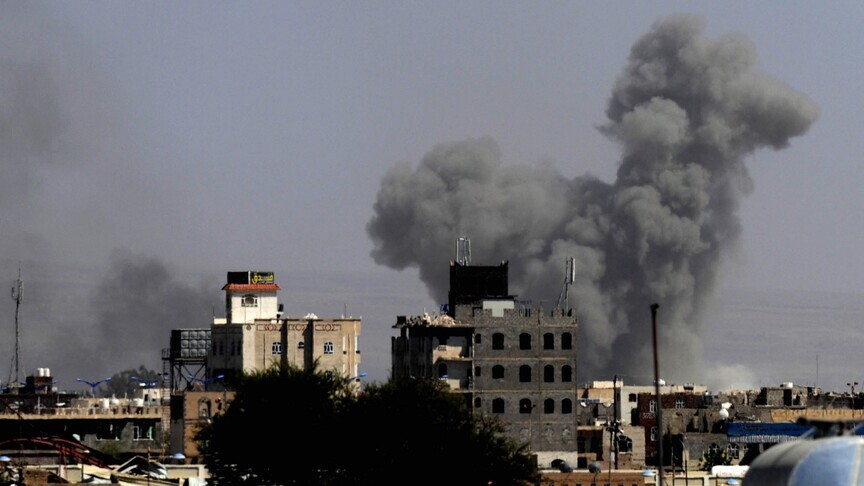
The conflict has led to widespread devastation, with the military's response to dissent igniting a civil war that has claimed thousands of lives and displaced millions. The junta's tactics include targeting community support for insurgent groups, employing indiscriminate airstrikes on opposition-held villages.
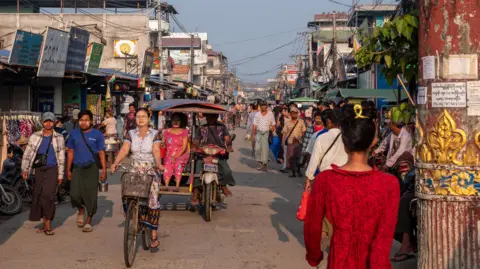
Every aspect of life in Myanmar has deteriorated since Min Aung Hlaing's coup, including the economy, which the UN reports is now in crisis, with 16 million individuals requiring life-saving assistance and rising fuel shortages compounding hardships.
As Min Aung Hlaing prepares to take the presidency, observers fear that without substantive dialogue or change in direction, Myanmar will remain in turmoil, with power firmly entrenched in the military.