
In brief
The New York Court of Appeals heard the latest arguments over the 9/11 families’ lawsuit against Saudi Arabia, as the case moves toward trial after a 2025 Manhattan ruling. The suit centers on former Saudi official Omar al‑Bayoumi, who the families allege aided two hijackers. Saudi officials argue sovereign immunity protects them, while the plaintiffs insist the evidence shows Bayoumi followed the King’s instructions. Judge William Nardini said the panel will deliberate further, potentially scheduling more hearings. Families, led by Terry Strada, hope the appellate judges uphold the district court’s decision and bring justice after decades of silence.
Court Hears Arguments Over 9/11 Saudi Lawsuit
The New York Court of Appeals heard arguments this week as it considers whether the 1,300‑strong lawsuit filed by families of the September 11, 2001 attacks can move forward against the Kingdom of Saudi Arabia, following a 2025 Manhattan district court ruling that found the plaintiffs had enough evidence.
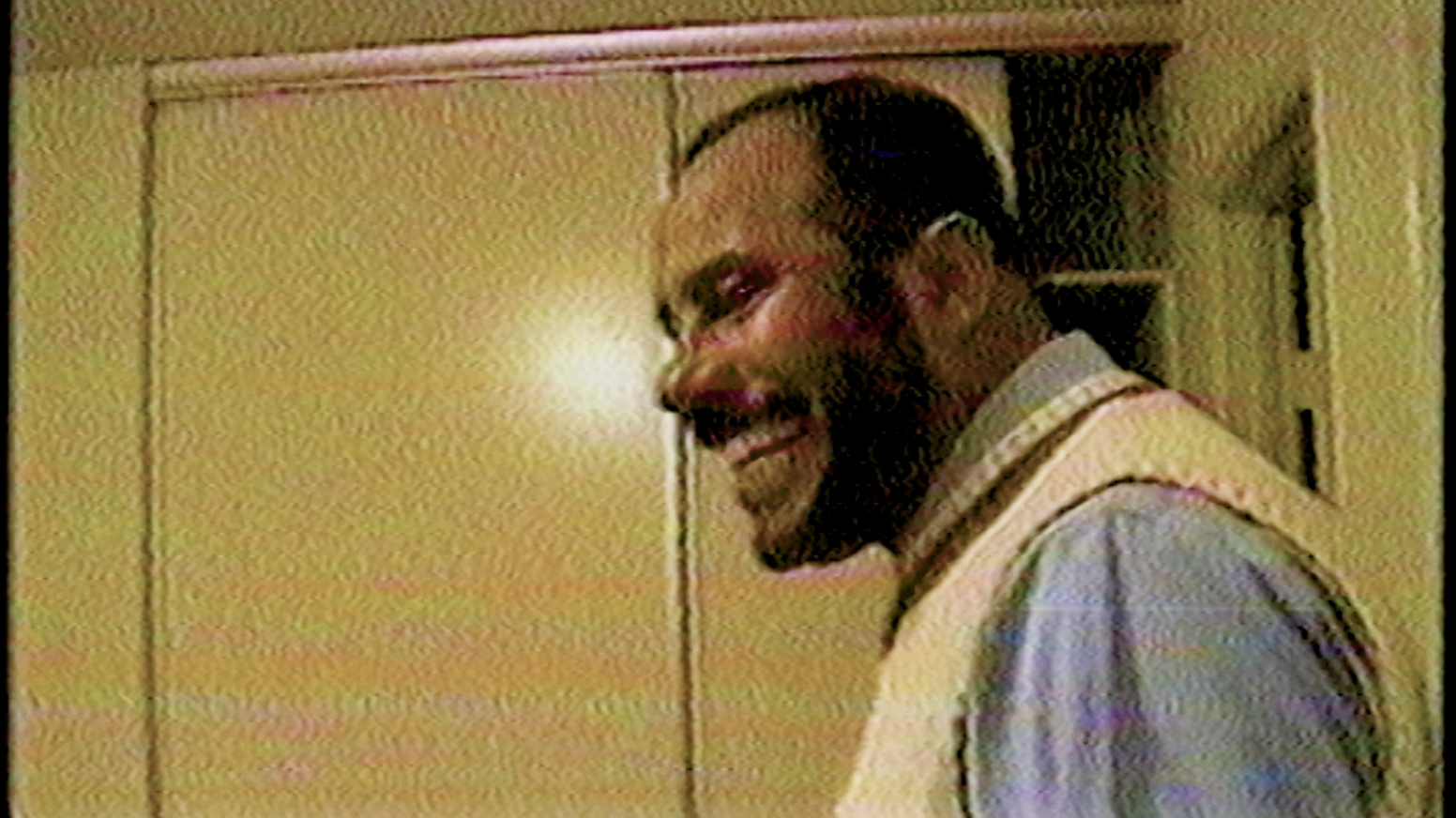
The case centers on Omar al‑Bayoumi, a former Saudi government employee who the families say aided two hijackers in the 9/11 attacks. The 2025 decision allowed the suit to proceed, but Saudi Arabia has requested a reversal, arguing sovereign immunity protects it from U.S. civil litigation.
The court was presented with opposing views: 9/11 families’ lawyer Gavin Simpson argued that Bayoumi “followed instruction from the Kingdom” and that Saudi Arabia had not rebutted these claims, while Saudi counsel Gregory Rapawy highlighted that key facts about the employee’s status remain unsettled.
Judge William Nardini said the panel would take its time, hinting that a ruling might come later in the year. A testimony from Bayoumi or other witnesses remains on the table.
Terry Strada, whose husband was killed in the World Trade Center, shared her hope that the appellate judges will uphold the district court’s decision and push the case toward trial. It could be a long road to accountability after four decades of silence.
