In brief
As Namibia heads to the polls, Vice-President Nandi-Ndaitwah, representing the long-dominant Swapo party, seeks to make history as the country's first female head of state amid rising grassroots discontent and a formidable challenge from former party member Panduleni Itula.
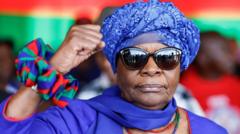
As Namibia prepares for a crucial election this week, all eyes are on Vice-President Netumbo Nandi-Ndaitwah, who stands a chance to become the nation’s first female leader. This milestone comes during a period of growing disillusionment with established political parties in southern Africa, and a global trend towards anti-incumbency, fueling uncertainty about her potential victory.Nandi-Ndaitwah, 72, is the nominee for Swapo, the ruling party that has maintained power since Namibia gained independence from apartheid South Africa in 1990. Currently, Tanzania's Samia Suluhu Hassan is the only female president in Africa, making Nandi-Ndaitwah's candidacy particularly notable. However, Swapo has faced challenges, including a significant decrease in support during the last general election. As it heads into this week's vote, Namibia grapples with a 19% unemployment rate, stagnant public finances, rampant corruption, and a growing wealth gap.The vice-president's primary contender is Panduleni Itula from the Independent Patriots for Change (IPC), alongside 14 other candidates. Nandi-Ndaitwah must also navigate a historically male-dominated political landscape. She brings over 25 years of experience in high governmental positions and is characterized by her collaborative leadership style, emphasizing teamwork and dedication.Known for her resilience, Nandi-Ndaitwah has been a part of the Swapo party since her teenage years when she was involved in the struggle against South African rule. Over the years, she has garnered respect for her roles in various ministries including foreign affairs and child welfare. Among younger voters, her steady and cautious approach contrasts with Itula's charismatic and assertive style.Itula, who formerly served as a dentist in the UK, re-entered Namibian politics after a stint in exile due to political tensions. His rise in popularity followed a strong challenge to Swapo's leadership processes and significant electoral gains for his IPC party in local elections. His freshness and business-friendly rhetoric appeal particularly to voters under 35, a demographic that is increasingly disillusioned with traditional governance.With both candidates representing different shades of change, Nandi-Ndaitwah symbolizes the establishment while Itula embodies a call for new approaches in governance. Political analysts suggest that the tight race might lead to an unheard-of second-round run-off if neither candidate secures a majority.As Namibia stands at this crossroads, the future rests on resolving pressing issues such as youth unemployment, corruption, healthcare, and education, while managing the country’s natural resources responsibly. With the stakes high, the election results could redefine the country’s political trajectory and its leadership landscape for years to come.