
In brief
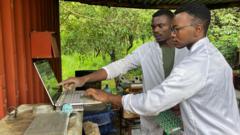
In the secluded northern tip of Zambia, the Zambezi River's roar is echoed by the distinct sound of Bitcoin mining machines, signaling the rise of a unique industry. Phillip Walton, a representative of the Kenya-based company Gridless, beams with pride as he oversees a bitcoin operation nestled in a shipping container. His company has ingeniously tapped into local hydroelectric power to run their computers, creating a sustainable and cost-effective mining site while also making a significant impact on the surrounding community.
After a 14-hour journey over rough terrain, Gridless set up its mining equipment in a remote area near the Democratic Republic of Congo (DRC) border. Each of the 120 computers operates diligently, generating about $5 a day per machine, a rate that can fluctuate with the cryptocurrency market. The use of cheap, renewable energy allows Phillip's enterprise to thrive even when bitcoin prices drop. The Zengamina hydro-power plant, integral to this setup, was built in the early 2000s to provide clean energy for locals, specifically designed to power the town's hospital. Unfortunately, due to slow community uptake, the plant struggled to become financially viable until Gridless's arrival. Daniel Rea, who oversees the plant, shares how partnering with the bitcoin miners has transformed their operations, allowing them to utilize excess energy and thereby sustain lower energy costs for residents.The small nearby town is still adjusting to newfound electricity; traditional life prevailed until relatively recently when power connections became more accessible. Barbershop owner Damian notes that electricity has changed his livelihood, enabling him to earn an income that supports his family while young residents, like sisters Tumba and Lucy Machayi, express gratitude for the convenience and connection electricity has brought to their lives. However, the bitcoin mine will not remain indefinitely as expansion plans are underway to connect more villages to the national grid, ultimately making commercial bitcoin mining in Zengamina less economic. Phillip's team welcomes this change, viewing their tenure positively, having not only yielded bitcoin profits but also aided a local community in transforming dramatically.Gridless has ambitious plans for the future, seeking to create its own hydro plants and promote access to energy while emphasizing sustainable strategies. Co-founder Janet Maingi outlines the importance of a resilient energy model for Africa, asserting that profits can fuel development while supporting local communities.As the bitcoin mining industry faces criticism globally for its energy consumption, innovative projects like those at Zengamina present a counter-narrative, illustrating the potential for positive impacts amidst the complexities of cryptocurrency economics. As Gridless navigates challenges in securing new sites, they hold steadfast in their belief that economic incentives will ultimately favor local populations alongside the growing presence of their innovative bitcoin mining operations.

