
In brief
Late on July 15, a massive drone and missile strike targeted Odesa, killing three residents and damaging critical infrastructure. Governor Oleh Kiper described the assault as the fifth consecutive day of attacks aimed at transport and industrial sites. Russian officials say the strike hit port facilities used for petroleum and other strategic supplies. Ukrainian forces have intensified counter‑measures, flying drones to destroy 20 Russian vessels in the Black Sea.
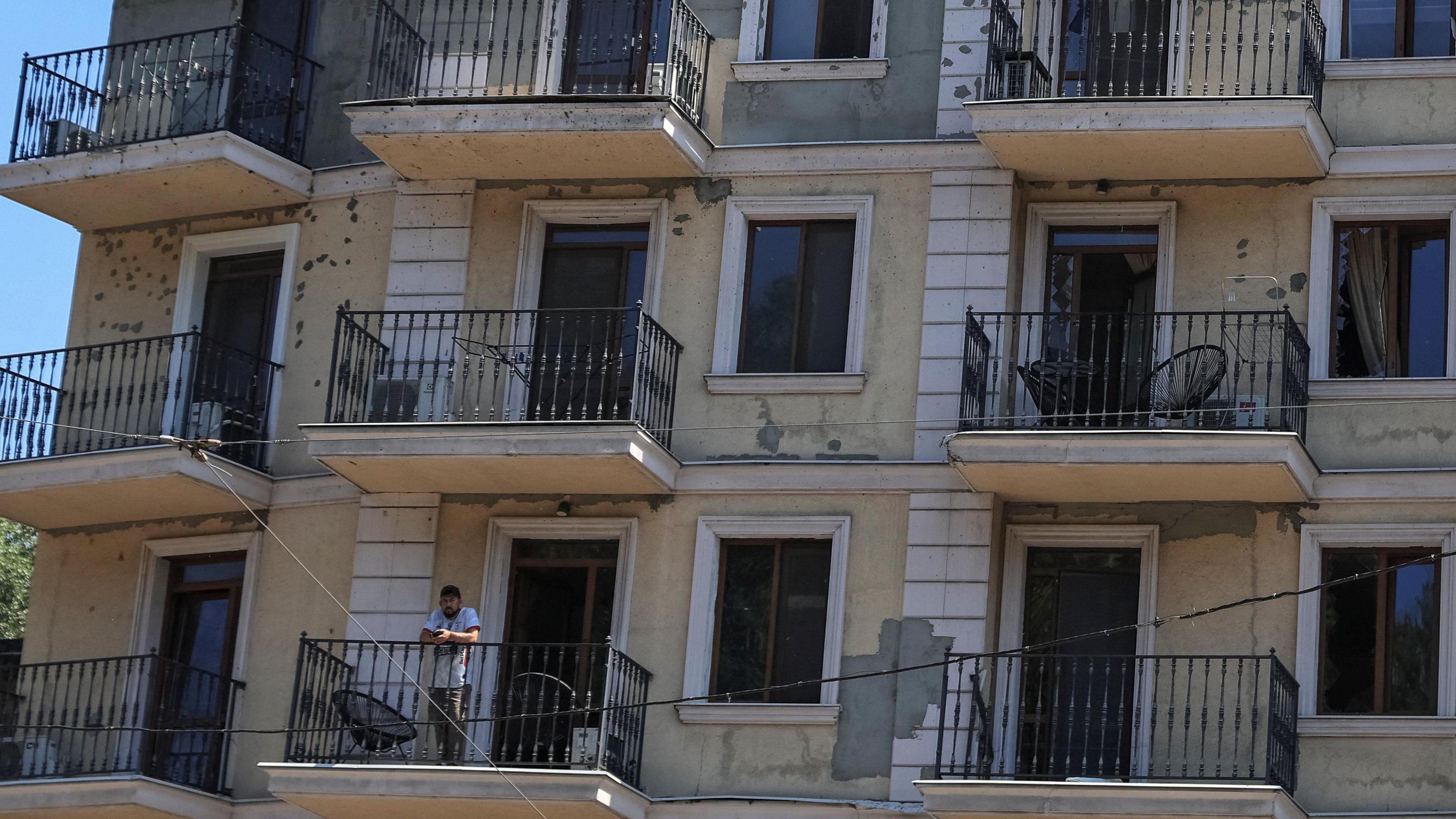
A drone and missile strike late on July 15 killed three people and damaged a multi‑storey residential building in the Black Sea port of Odesa. Governor Oleh Kiper said the attack marked the fifth consecutive day of Russian assaults on the region.
Russian claims
The Russian defence ministry stated that it deliberately targeted infrastructure used for loading petroleum, oil and lubricants. It also says the sites were part of the manufacturing and transport of military hardware.
Ukrainian response
Ukraine reported that its drones hit 20 Russian vessels in the Black Sea overnight. Earlier attacks on Russian ships in the Sea of Azov have forced the world’s top grain exporter to restrict shipping on that route, impacting the war‑economy.
Political context
The continuing bombardment comes amid a turbulent political scene, with President Volodymyr Zelensky dismissing Prime Minister Yulia Svyrydenko after less than a year. Parliament has passed a motion to accept her resignation, and the appointment of a successor is pending.
European Commission President Ursula von der Leyen visited Kyiv on Wednesday, announcing new joint production initiatives for the defence sectors of Europe and Ukraine.
These developments continue to shape the shifting frontlines and economic strategies of the ongoing war.

