
In brief
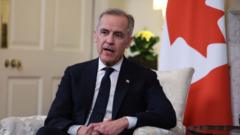
As Canada navigates escalating trade tensions with the United States, Prime Minister Mark Carney is anticipated to call for a national election on April 28, with the possibility of a Sunday announcement. Carney, who previously served as a central banker, has stepped into the Liberal leadership following Justin Trudeau's resignation. The Liberal Party faces not only American tariffs but also a competitive landscape as it prepares for a five-week election campaign.
Sources suggest that the timing for dissolving Parliament aligns with the pressing trade dispute, particularly following US President Trump's recent threats. Carney's potential candidacy is framed against the backdrop of these challenges, emphasizing his commitment to uphold retaliatory tariffs against US measures. Polls indicate a narrowing race, with the Conservatives previously holding a significant lead, now challenged by a more balanced political environment. The upcoming election represents a critical moment for both Carney and the future direction of Canadian politics. Carney has indicated that if the US implements sweeping tariffs on April 2 in addition to existing ones on Canadian goods, he would uphold national reciprocal tariffs. With other parties like the Bloc Quebecois and the New Democrats also vying for influence, the political dynamics leading into the election reflect a shifting landscape influenced heavily by cross-border trade relations. As Canadians prepare to head to the polls, the narrative is expected to be dominated by the implications of trade war rhetoric and the strategic responses of the major political players involved.

