In brief
The International Olympic Committee (IOC) is under fire for selling T-shirts that showcase designs from the 1936 Berlin Olympics, which served as a platform for Nazi propaganda. Critics, including German lawmakers, urge the IOC to cease production and sale of these items, emphasizing the historical context of the Olympics that year, which promoted ideals of racial supremacy. The IOC defends the sale, stating it is part of an Olympic Heritage Collection, recognizing both the achievements of athletes and the art and design history associated with the Games.
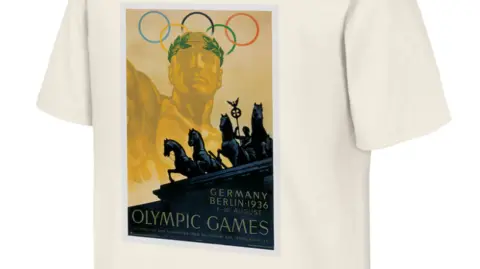
The official online fan shop of the Olympic Games has been selling T-shirts with designs from the Berlin Olympic Games in 1936, which were used by Adolf Hitler and the Nazis for propaganda. There are calls in Germany for the sale of the shirts to be stopped, but the International Olympic Committee (IOC) has defended it as being part of its Heritage Collection, celebrating styles from all editions of the Games. The T-shirts, which are emblazoned with the original poster design for the Berlin Olympics by Franz Würbel, are currently out of stock.The 1936 Games were used by Hitler as a chance to promote his ideals of racial supremacy and to glorify Nazi Germany on an international stage. The Berlin T-Shirt shows a male figure wearing a laurel wreath. Over his head are the Olympic rings. Underneath him is the Brandenburg Gate and the words Germany Berlin 1936 Olympic Games.The 1936 Olympic Games were a central propaganda tool of the Nazi regime, Klara Schedlich, spokesperson for sports policy for the Green Party faction in the Berlin House of Representatives, told the German press agency, DPA. She accused the IOC of clearly not reflecting sufficiently on its own history and said the choice of image is problematic and unsuitable for a T-shirt, without context.The IOC told the BBC that while it of course acknowledge[s] the historical issues of Nazi propaganda it wanted to also remember that the Berlin 1936 Games saw 4,483 athletes from 49 countries compete in 149 medal events. We made an Olympic Heritage Collection available to the public that celebrates 130 years of Olympic art and design. For this series, emblems, pictograms, posters and mascots from all editions of the Olympic Games are featured, a spokesperson said. Many of them stunned the world with their athletic achievements, including Jesse Owens.Jesse Owens, an African-American track and field athlete, won four gold medals at the 1936 Games, crushing the Nazi myth of Aryan racial supremacy. The spokesperson said that the historical context of the Berlin Games was explained at the Olympic Museum in Lausanne, and that only a limited number of 1936 T-Shirts had been produced and sold.