In brief
In July 2026, Delhi became the hot‑spot for a mass protest orchestrated by the Cockroach Janta Party, a satirical yet rapidly growing youth movement. Thousands of students and activists converged on the city’s iconic sites to condemn the abrupt cancellation of the NEET medical entrance test after alleged paper leaks, demanding the removal of Education Minister Dharmendra Pradhan. The movement gained traction after the forced hospitalization of activist Sonam Wangchuk, who had been on a hunger strike in solidarity with the party. Political figures across India, from Congress leaders to regional MPs, weighed in on the protest, some urging respect for the demonstrators. The situation has raised questions about accountability in India’s education system and the resilience of democratic protest in an authoritarian‑style environment.
The capital city of India has seen a surge of protest activity this week, as a new youth‑led movement, the Cockroach Janta Party (CJP), commands tens of thousands of demonstrators to demand the resignation of Education Minister Dharmendra Pradhan. The rally’s catalyst was the abrupt cancellation of the National Eligibility cum Entrance Test (NEET) after allegations of paper leaks, a move that left millions of aspirants re‑examining their future.
CJP began as a satirical online joke a few months ago, founded by political communications strategist Abhijeet Dipke. A simple Google form for supporters turned into a massive real‑world campaign, with activists walking the streets of Delhi dressed in mock‑cockroach costumes to mock the political class.
The protest reached a critical point on July 18 when activist Sonam Wangchuk, who had been on a 20‑day hunger strike to back the CJP, was forcibly taken to a hospital. Dipke used this event as a rallying call: “We must march on Parliament,” he urged, and the mass mobilised to Jantar Mantar, a historic observatory where students often stage protests.
The NEET crisis dates back to May, when over 2.28 million candidates sat the exam. Reports of leaked questions followed, and the government cancelled the test, causing distress that some students claimed led to suicides. This repeated scandal — a similar incident had hit NEET in 2024 — has been the backbone of the CJP’s demand for a thorough overhaul of India’s education system and greater transparency.
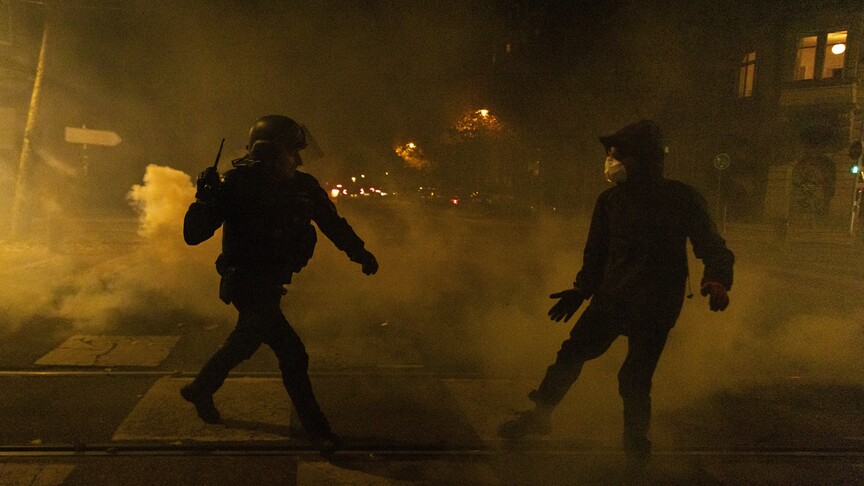
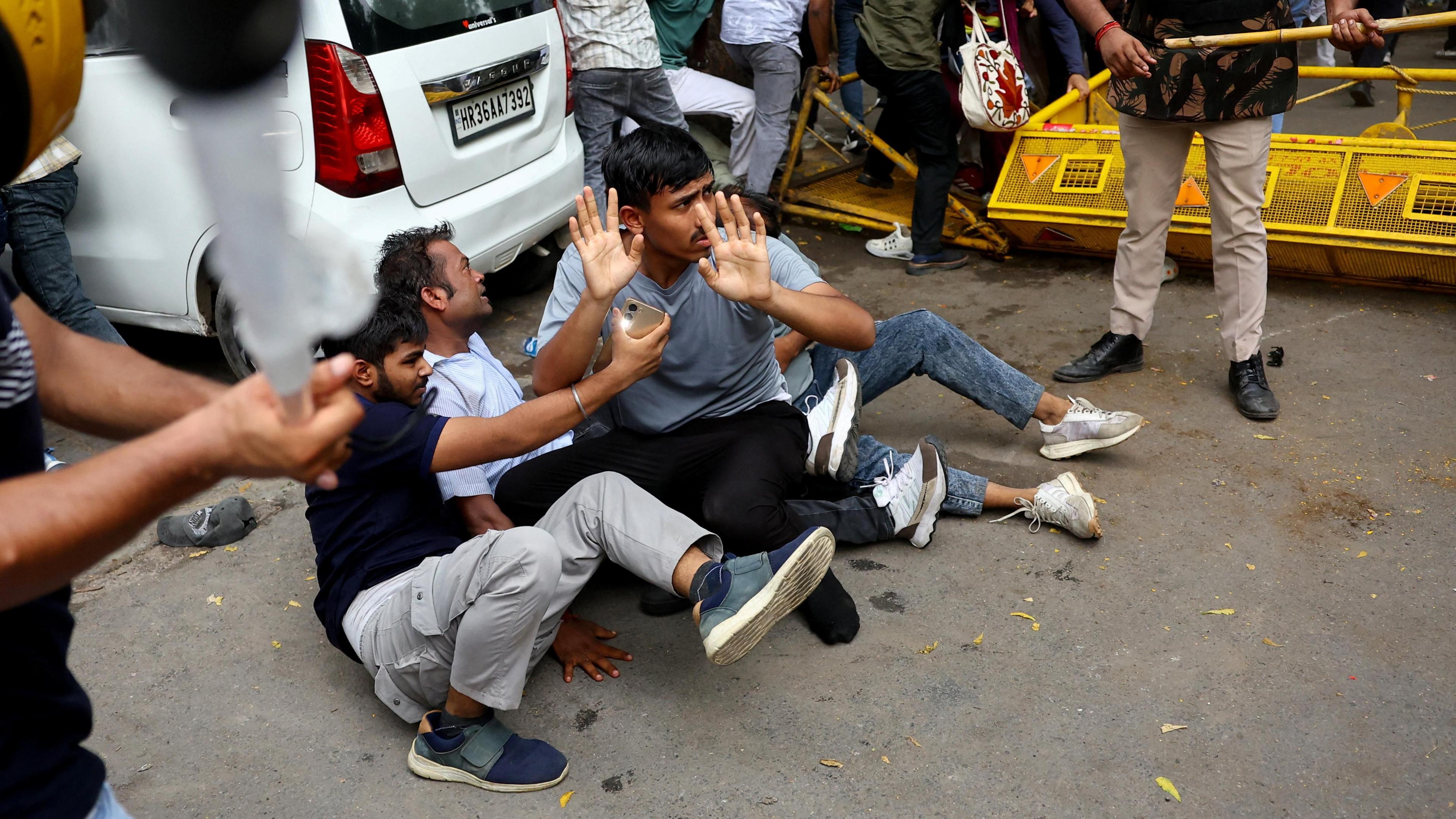
The protest, witnessed by thousands, has garnered attention from opposition politicians across the country. Congress president Mallikarjun Kharge labelled police baton‑charging as an “attack on democracy,” while first‑minister Mahua Moitr stood in solidarity before proceeding to Parliament. Satya Yadav from the Samajwadi Party emphasised that protesters deserve respect.
CJP’s future influence remains uncertain, but the movement’s ability to bring decades‑old systemic issues into the public eye is undeniable. Whether the protest will force the resignation of the education minister or ignite a broader policy debate, the political landscape of India will continue to watch closely.
For live updates on the protest and further details, follow the move at live commentary on this story.