In April 2026 the Aam Aadmi Party (AAP) government of Punjab passed a comprehensive anti‑sacrilege law that tackles acts of desecration against the Guru Granth Sahib, the central Sikh scripture. The bill defines sacrilege as deliberate defacement, burning, tearing, theft or any spoken or written insult toward the sacred text, and declares such acts cognisable and non‑bailable.
Those convicted face prison from seven to 20 years and fines ranging from 200,000 to one million rupees. The legislation also expands the government’s reach over how the Guru Granth Sahib is registered, its custodianship and how its physical copies are managed, a provision that has become a core point of contention.
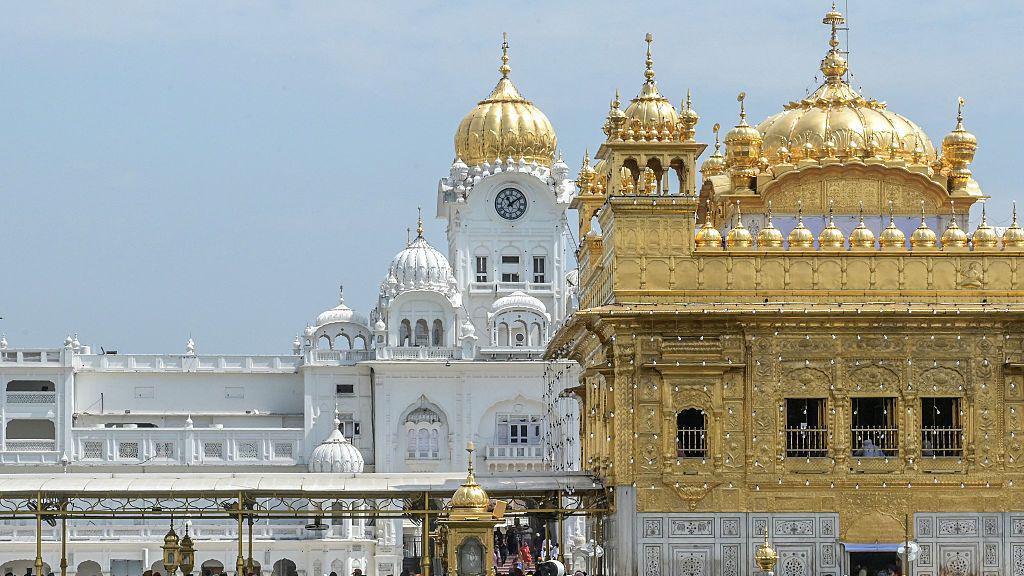
The Akal Takht – the highest Sikh temporal authority – objected that the state law interferes with religious governance. It criticised the bill’s terminology, registration clauses and the idea of assigning identification numbers to each scripture copy, arguing that such matters are under the auspices of Sikh institutions, not civil legislators.
Punjab’s history of similar proposals dates back a decade. The first attempt in 2016 requested life imprisonment for desecration, while a 2018 bill, expanded to other holy books, never completed this step. The AAP’s version, meanwhile, amends a 2008 act to enforce stricter penalties, reflecting frustration over unresolved sacrilege cases that have previously shaped political outcomes.
The controversy escalates as the primaries for the June election draw nearer. Opposing parties accuse the AAP of rushing the law without adequate consultation, and the Akal Takht has summoned Sikh ministers and legislators to explain their support for the bill. Amidst police culture, social media controversy and an alleged sacrilege‑related video involving the chief minister, the law’s future remains uncertain.
Chief Minister Bhagwant Mann has stated the law will not be withdrawn and that the government is open to amendments if the Akal Takht’s concerns are addressed. Whether the bill survives its political and religious scrutiny remains to be seen as Punjab’s electoral tide turns in the coming months.