
In brief
After experiencing a renaissance in the wake of the 2008 recession, Kentucky bourbon is now grappling with declining sales, rising tariffs, and changing drinking habits among younger generations. While established brands might survive, small distilleries are struggling amidst oversupply and market saturation.
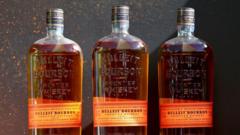
How Kentucky bourbon went from boom to bustKentucky bourbon, an integral part of American culture, has seen its fortunes shift dramatically from a high of popularity to a troubling decline. In recent reporting, Bulleit Bourbon has noted sales plummeting over 7% this fiscal year, reflecting broader concerns about the market as the post-pandemic era unfolds and trade tensions simmer.Bourbon’s legacy stretches back to the 18th century, but it was only in 1964 that it was officially recognized as a "distinctive product of the United States" by Congress. After a decline through the late 20th century considered passé, bourbon experienced a resurgence around the 2008 recession, boosted by affordable price points, newfound vintage bottle markets, and a cultural revival tied to nostalgia-inducing media. Sales surged by 7% globally from 2011 to 2020, drawing in new drinkers eager to buy bourbon both for consumption and as collectibles.However, as the pandemic shuttered bars and consumer choices shifted towards more economical options, the once bustling bourbon landscape faced a harsh reality. Recent research indicates a slowdown in bourbon sales growth to a mere 2% for the upcoming years, with younger generations opting for fewer alcoholic beverages compared to their predecessors. The fallout of President Trump's tariffs, which triggered retaliatory actions from the EU and reduced imports in Canada — which previously accounted for 10% of Kentucky's whiskey trade — has further exacerbated these issues for distilleries.As sales stumble, prominent companies like Diageo and Campari have reported significant declines, with Bulleit's sales dropping by 7.3% and Wild Turkey witnessing an 8.1% decline in just six months. The waves of bankruptcy are already lapping at the shores of Kentucky bourbon producers, with LMD Holdings recently filing for Chapter 11 shortly after launching a new facility, and other smaller distilleries following suit.Yet every downturn is rife with opportunity for innovation, as seen in the history of Scotch whiskey, which reinvented itself during previous declines. Some Canadian distilleries are exploring bourbon-style production techniques, driven by the demand for competitive offerings amidst the current tariff conflict.While it remains uncertain just how low the bourbon barrel prices can go, experts predict further consolidations and more casualties in the market ahead. The bourbon industry, steeped in history, now faces the challenge of adapting to an evolving economic landscape and shifting consumer behavior.

