
In brief
Qatar’s foreign ministry spokesperson Majed al-Ansari announced that the states China, Pakistan and Oman are working on a short-term solution to reopen the Strait of Hormuz and deescalate the conflict between Washington and Tehran. The mediator team stresses that no direct negotiations with Iran are scheduled, though progress is expected soon. Meanwhile, Iran’s talks are focused on an agreement with Oman to restore shipping routes through the strait, while the US seeks a broader diplomatic resolution. An incident involving a cargo vessel struck by an unknown projectile underscores the volatility of the Gulf waterway.
Qatar says mediators are continuing their efforts to find a diplomatic resolution to avoid an escalation between the US and Iran, but that no direct talks are planned.
Foreign ministry spokesman Majed al-Ansari told reporters that the focus of Qatari, Pakistani and Omani officials was on a short‑term resolution that would help reignite talks between Washington and Tehran.
Conflicting signals have emerged from both sides. The Iranian foreign ministry denies U.S. President Donald Trump’s claim that talks are underway.
Iran says its negotiations are only with Oman concerning a plan to reopen the Strait of Hormuz for commercial vessels.
U.S. Secretary of State Marco Rubio noted progress in those discussions, though no final agreement exists yet. He added, “We’re hoping that will happen very shortly.”
Treasury Secretary Scott Bessent suggested a deal could materialise today or tomorrow.
Earlier tonight, the UK Maritime Trade Operations reported that a cargo vessel was struck by an unknown projectile in the Gulf waterway. Maritime risk management firm Vanguard said a Liberia‑flagged ship’s engine room was hit and one sailor went missing.
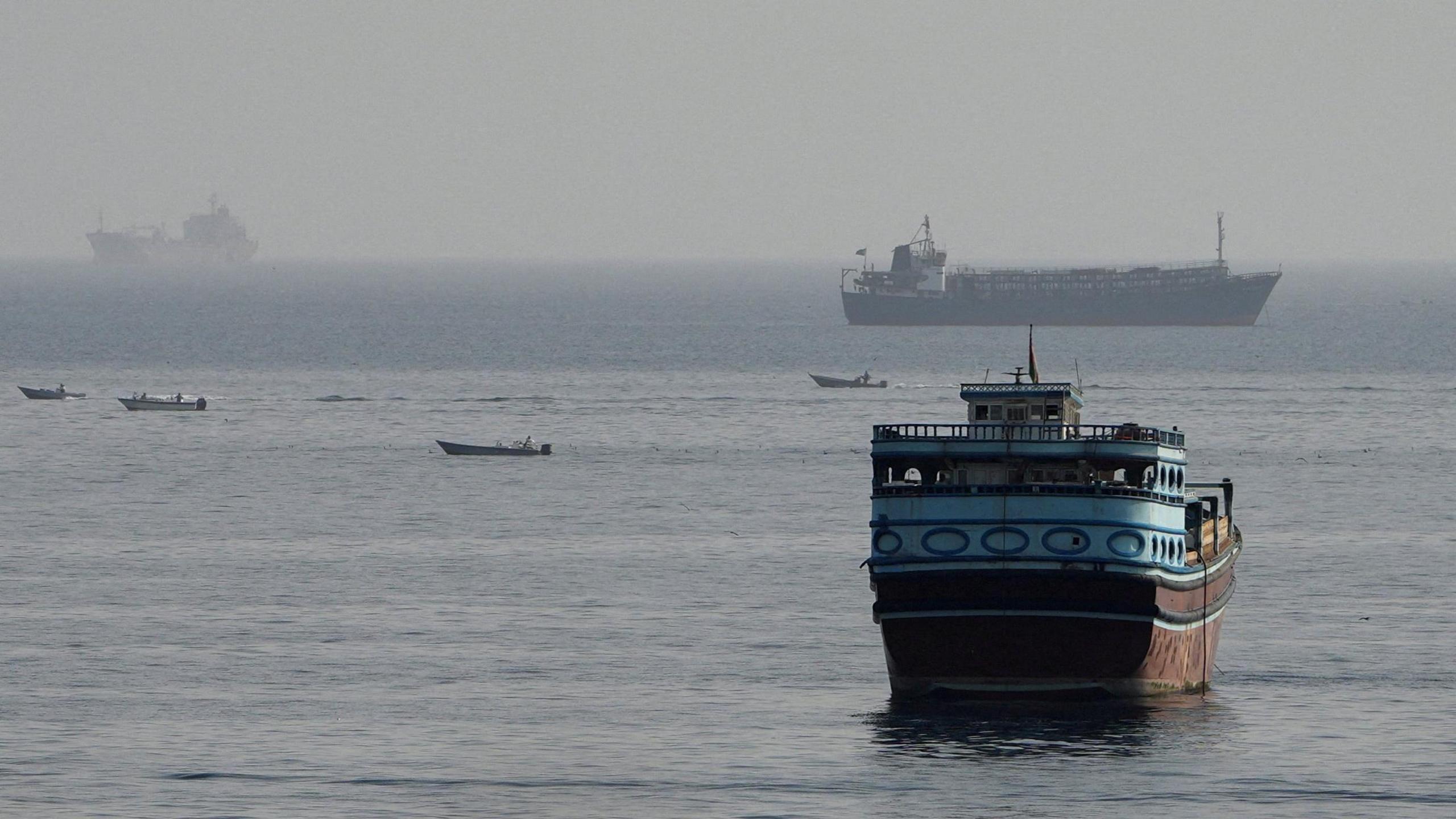
The Strait of Hormuz, key to about one‑fifth of global oil and gas shipments, has been effectively closed since the U.S. and Israel’s war with Iran began. A preliminary agreement signed in mid‑June to end the conflict and reopen the strait fell apart amid disputes over control and continued attacks.
Ahead of a planned Tuesday meeting, Trump announced he had called off a “massive attack” by U.S. and Israeli forces on Iran after Gulf states urged restraint to give mediators time.
Iran’s foreign ministry spokesman Esmail Baqai dismissed any direct U.S. engagement, saying talks were only with Oman on securing shipping passage. He noted an agreement would be necessary but not enough to reopen the strait if the U.S. blockade were still in place.
At the Doha conference, Qatari foreign ministry said efforts with Pakistan and Oman were ongoing and in progress, but that nothing was set on the books for direct talks. A senior Pakistani security official added that a lot is happening behind the scenes.
No details of the potential agreement between Iran and Oman have been released by either country or mediators, though Iranian officials told the New York Times that shipping entering the Gulf would use a route close to Iran’s coast and outbound shipping a route near Oman’s coast, with a service fee to cover impacts.
A U.S. official countered these claims, asserting that any temporary routes would not involve Iranian approval or tolls.

