
In brief
Reflecting on Yeltsin's directive for Putin to "take care of Russia", one journalist examines the state of the country that now faces significant challenges, notably the ongoing war in Ukraine and its repercussions on Russian society and economy. The article sheds light on the stark contrast between Putin's initial rise to power and the controversial path he has taken, posing critical questions about his legacy and the genuine state of Russian sovereignty.
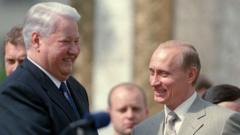
As the end of 2023 approaches, Russia finds itself at a significant crossroads. Twenty-five years have elapsed since Boris Yeltsin stepped down and handed over authority to Vladimir Putin, marking a profound transition in Russian leadership. On that New Year's Eve in 1999, few could have anticipated that Putin would remain in power for a quarter-century, nor that Russia would embroil itself in a war against Ukraine while battling escalating tensions with the West.Yeltsin's parting words to Putin were poignant: "Take care of Russia!" Today, as the war on Ukraine stretches into its third year, those words resonate ominously. The consequences of Putin's invasion have been severe, particularly for Ukraine, which has endured widespread devastation, loss of territory, and displacement of millions. However, Russia has not emerged unscathed; it incurs substantial battlefield losses, frequent drone attacks on its own cities, and faces international sanctions that impact its economy.Throughout his lengthy tenure, Putin has undergone notable transformations. Former NATO chief Lord Robertson reflects on this evolution, contrasting the diplomacy of the early 2000s with Putin's present-day aggression. What drove this shift remains complex; factors range from a desire for national pride following the Cold War to perceptions of Western disrespect.In a recent press conference, when pressed about the toll of the war, Putin asserted confidently that he has indeed "taken care" of Russia, claiming to have preserved its sovereignty against Western influence. Yet, the sincerity of this assertion is debated, leaving questions about the direction of Russia amid ongoing conflict.The overarching question looms: has Putin fulfilled Yeltsin's mandate or led Russia toward a precarious future? The answer may very well shape the landscape of Russian society and geopolitical relations in the years to come.
