Settler in Havat Gilad Justifies Attacks on Palestinian Villages, BBC Reports
In a rare opening for an international outlet, BBC journalists gained access to Havat Gilad, a contested outpost in the occupied West Bank, and spoke with Yehuda Shimon, a resident who openly defended settler attacks on nearby Palestinian communities over the past weekend.
Shimon, a lawyer representing Israelis who have faced charges for violence, said the attacks were “justified as revenge” after an Israeli security guard was killed in Tal, a Palestinian village only a mile away. He amplified his view by stating, I think now, after they killed one Israeli, we need to kill all the people in Tal and Sarra, even Jit and Farata. The settler’s rhetorical framing equates one Jewish death with thousands of Palestinian lives, a narrative that he justified by invoking biblical claims of divine ownership of the land.
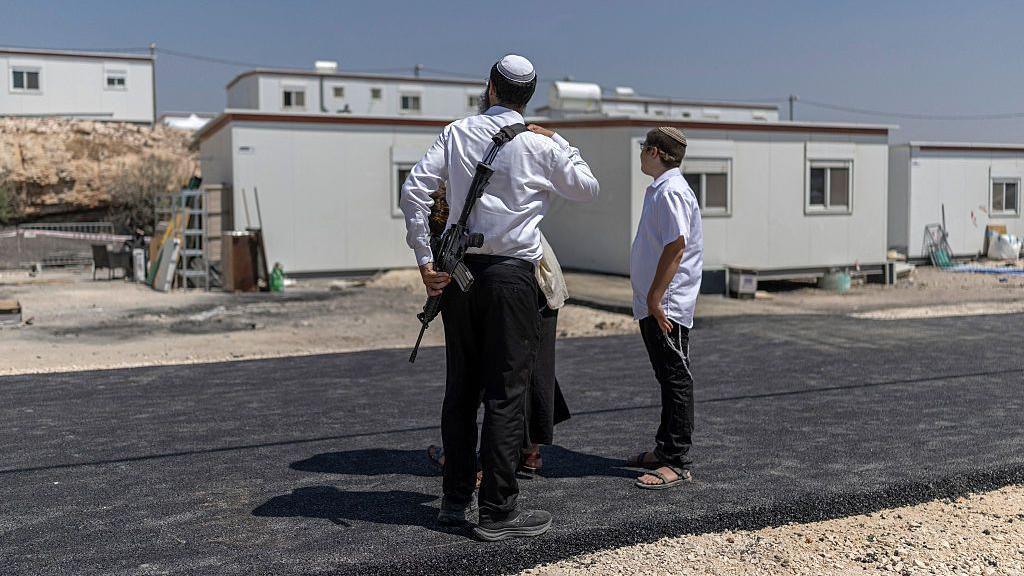
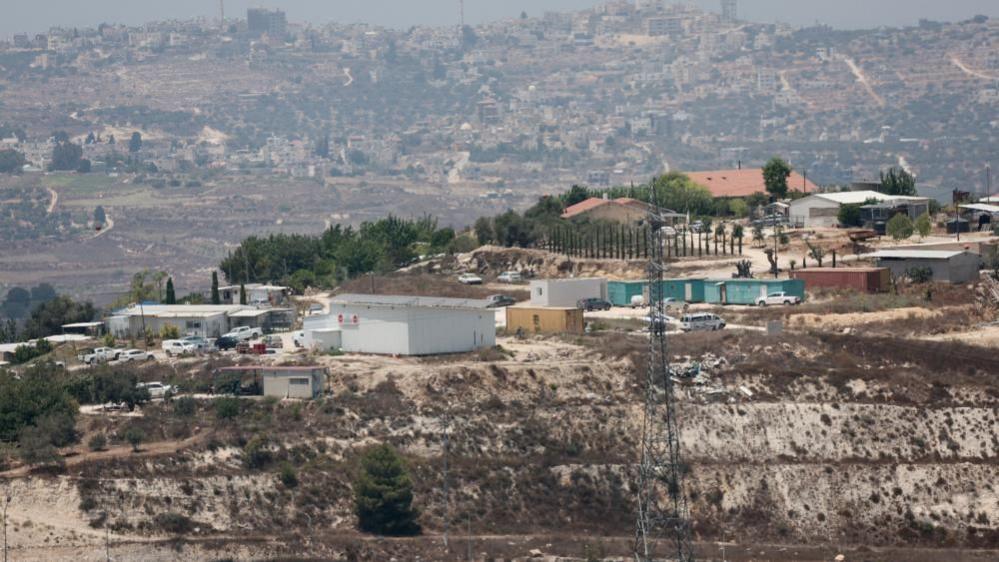
The BBC followed Shimon through the outpost’s shelters—clustered hill-top houses visible from the surrounding villages—and listened as he recounted how the week’s violence unfolded. He expressed gratitude for the permission he received, noting it was scarce for foreign reporters.
When asked about the broader context, Shimon dismissed international law as irrelevant. He insisted that the Bible alone gives Jews a right to the West Bank and praised the Israeli Army for protecting settlers; he criticised the military for using insufficient force against Palestinians. He argued, The Israeli army, they like the United Nations—if Palestinians come and Jewish people come, they don’t kill the Palestinians, they just separate the people. Afterwards, because they don’t kill Palestinians, the Palestinians kill us.
Shimon’s comments contrast sharply with UN Office for the Coordination of Humanitarian Affairs (OCHA) reports that this year, 64 Palestinians were killed in the West Bank, 18 of them in settler attacks. He denied these figures, accusing global media of “buying the narrative of the Palestinians” and declared that every Palestinian in the area is a potential threat, appealing for unconditional violence to prevent future attacks.
The situation in Havat Gilad underscores a legal and moral divide: Israeli settlers enjoy full civilian rights, while neighboring Palestinians remain subject to military law, checkpoints, and restrictions often described by human rights groups as "apartheid." Shimon's viewpoint represents the extreme end of settler ideology that has been evident since the 1967 occupation, when Israel established hundreds of settlements and outposts that remain illegal under international law.
While the BBC sheds light on a contentious and rarely filmed environment, the interview stops short of providing evidence for Shimon’s allegations and presents a stark picture of the fragile tensions that persist in the West Bank.