

In brief
India’s veteran activist Sonam Wangchuk, known as “Sonam sir,” has ended a 26‑day hunger strike that began in support of the Cockroach Janta Party’s call for education Minister resignation. The fast, during which he lost 11 kg, was halted after prolonged negotiations involving conditions to curb potential violence. Wangchuk’s withdrawal comes amid escalating youth protests demanding comprehensive educational reforms and reflects tensions between activists and state forces. His decision to end the strike follows a forced removal from a Delhi protest site and subsequent hospitalization.
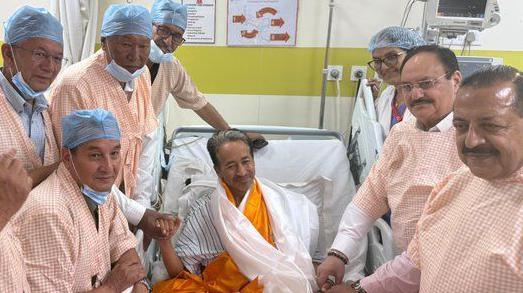
India’s veteran activist Sonam Wangchuk has ended a month‑long fast that began in support of the Cockroach Janta Party’s call for the resignation of the country’s education minister. The protest, which saw Wangchuk lose 11 kg (24 lb) of weight, stretched on for 26 days before he finally broke his fast.
After relentless negotiations, Wangchuk announced on X that he would lift his strike “to avert possible violence in the country” and in light of a pledge by authorities not to use force against demonstrators.
The 59‑year‑old activist was forcibly removed from a protest venue in Delhi last Saturday and taken to a hospital, where he was treated for the adverse effects of the fast. His decision to end the strike reflects the high stakes facing youth movements across India, which push for significant reforms in the education system.
The drama around Wangchuk’s hunger strike draws attention to the broader national debate over policy, public order, and the right to protest. As the youth-led movement gains momentum, the government’s response remains critical to determining whether the reform agenda can move forward peacefully.
